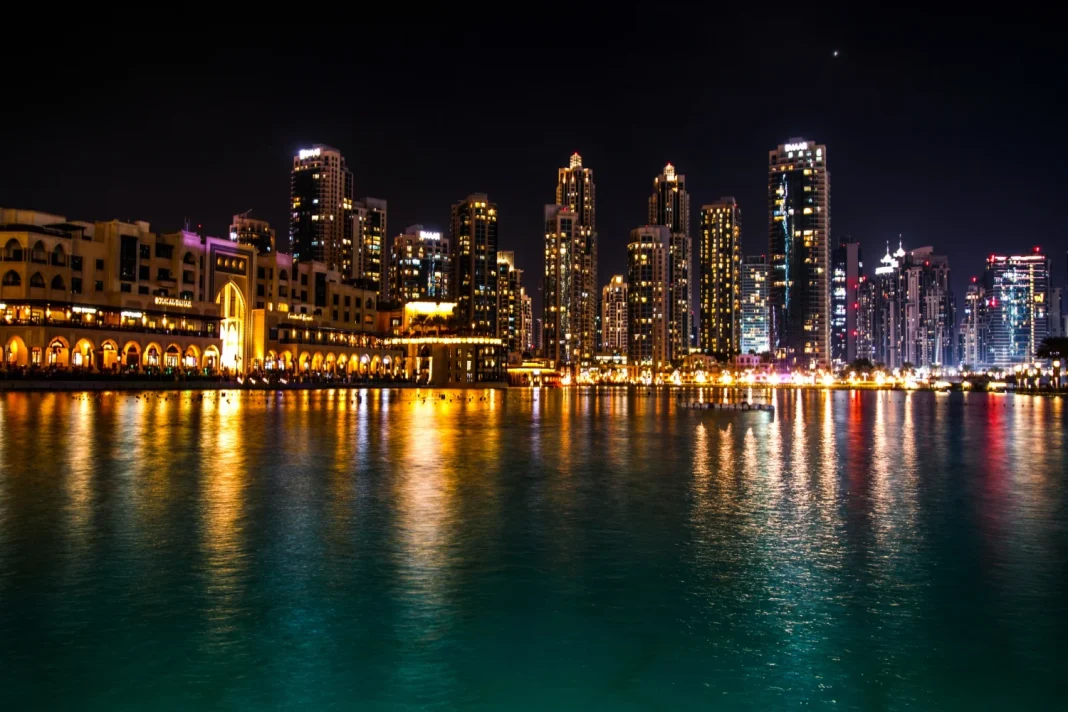



Three days are exactly enough to fall in love with Abu Dhabi. The capital of the United Arab Emirates is welcoming more and more Spanish tourists who arrive with a direct flight from Madrid or Barcelona and return with one certainty: this is not Dubai, nor does it try to be, and that is precisely its greatest virtue. Travelers who experience Abu Dhabi come back; those who haven’t been yet don’t know what they are missing.
The city’s offerings have exploded in recent years with a cultural, gastronomic, and leisure agenda that already rivals any European capital. From Saadiyat Island, where the Louvre opens its galleries just a few meters from the sea, to the endless dunes of the Rub’ al Khali desert, Abu Dhabi compresses an experience into seventy-two hours that is hard to beat anywhere else on the planet.
Abu Dhabi on Day One: The Grand Mosque That Changes Everything
No itinerary through Abu Dhabi starts any other way: a visit to the Sheikh Zayed Grand Mosque at dawn is the first major emotional highlight of the trip. With a capacity for more than 41,000 people and the world’s largest hand-knotted carpet covering its main hall, the white temple reflecting in its own pools is not just a religious monument—it is the most iconic image of the Emirates. Entry is free and access is open to people of all faiths.
In the afternoon, the Corniche invites you for a long stroll facing the Arabian Sea. The waterfront was redesigned in 2025 with cooled bike lanes and vertical gardens that make it the ideal place for a sunset walk without suffering from the heat. Cap off the day with dinner in the Al Maryah neighborhood, where international and local gastronomy coexist in a dozen restaurants overlooking the water.
Abu Dhabi and Art: Saadiyat, the Island That Changed the Rules
On the second day, Abu Dhabi shows its most surprising side on Saadiyat Island, where the Louvre Abu Dhabi—and the emirate in general—has bet heavily on becoming the cultural capital of the Arab world. The museum, designed by Jean Nouvel with a perforated dome that projects a rain of light over the galleries, brings together pieces from civilizations across all continents under one roof. The experience is as powerful as it is unexpected for anyone who traveled thinking only of skyscrapers.
In the mid-afternoon, Saadiyat Beach wraps up the plan in the most relaxing way possible: white sand, turquoise waters of the Persian Gulf, and the tranquility of a coastline that Spaniards describe as the best-kept secret in the Emirates. No crowds, no noise, sunset included.
Yas Island: Pure Adrenaline in the Heart of Abu Dhabi
The third day belongs to Yas Island, the entertainment hub that has turned Abu Dhabi into a benchmark destination for Spanish families. Ferrari World houses the world’s fastest roller coaster, Formula Rossa, which accelerates to 240 km/h in less than five seconds. You don’t need to be a Formula 1 fan to understand that this is different from any theme park you have ever visited before.
Right next to Ferrari World, the Yas Marina Circuit hosts the Abu Dhabi Grand Prix every year and offers driving experiences for visitors year-round. The island also packs hotels, shopping malls, and beaches into such a compact area that it can be explored without a car, making it the perfect final stop before your flight home.
Essential Tips for Your Suitcase
When to Go and What to Expect from the Weather
Summer in Abu Dhabi hovers around 42 °C outdoors, but the city is designed to be experienced in perfectly air-conditioned indoor spaces: museums, theme parks, and malls serve as top-tier havens. Hotel prices drop by up to 40% compared to winter, which explains the boom of this destination among Spanish travelers during July and August.
Visas, Cards, and Basic Rules
Spanish citizens can enter Abu Dhabi without a prior visa and automatically obtain a 30-day permit upon arrival. Payments with Spanish bank cards work seamlessly in hotels, restaurants, and shops, although it is advisable to carry some dirhams for local markets and taxi rides. Regarding cultural norms, modest clothing in public spaces and zero alcohol consumption on the streets are the two rules to keep in mind.
Why Abu Dhabi Will Outpace Dubai as a Spanish Destination in the Coming Years
The emirate has spent years building a tourism offering that no longer relies solely on extreme luxury, but on unique experiences that are hard to replicate elsewhere. The opening of new themed areas on Yas Island, the expansion of the Saadiyat cultural district, and the focus on sustainability along the Corniche place Abu Dhabi on a growth trajectory that booking data confirms year after year.
For the Spanish traveler looking for something beyond Mediterranean sun and sand, Abu Dhabi offers in seventy-two hours what other destinations fail to deliver in a week. The equation of a direct flight, affordable hotels in summer, and an agenda that flawlessly mixes culture, nature, and adrenaline is unrivaled at this price point. Anyone who visits once is already planning their second trip.