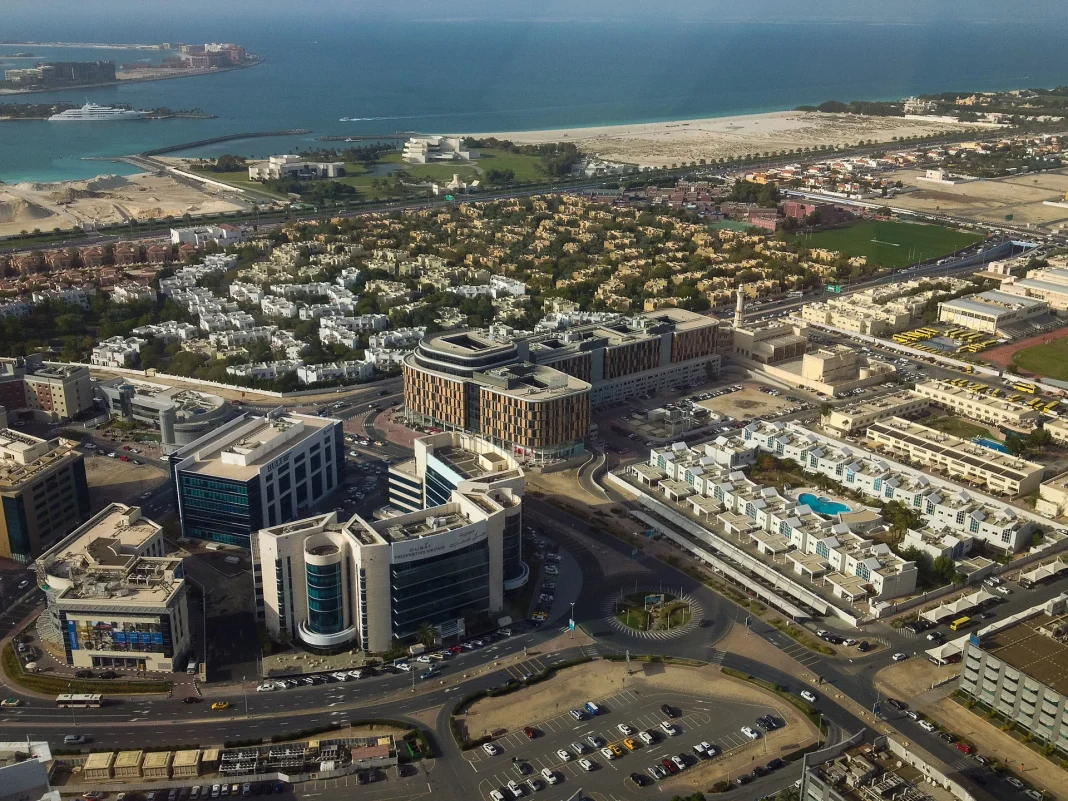


Since 2021, Dubai has forced all its hotels to undergo an environmental audit under the 19 Sustainability Requirements of the Department of Economy and Tourism. Those who do not comply do not receive the DST Stamp —the distinction that today marks the difference between luxury accommodation and a simply expensive one. The regulation, aligned with the UN Sustainable Development Goals for 2030 and the Emirates’ net-zero strategy for 2050, has turned Dubai into one of the destinations with the highest green regulatory pressure in the world. And within this framework, some hotels have decided not to limit themselves to compliance: they have turned sustainability into their best selling point.
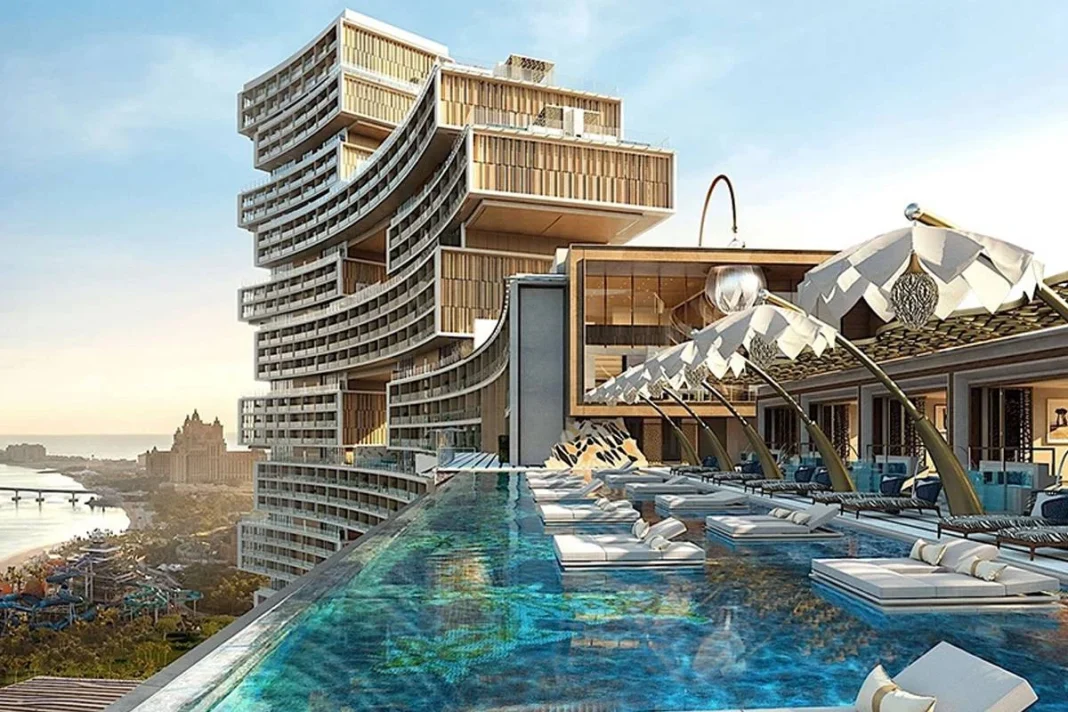
The most striking case is that of Atlantis The Royal. A hotel that opened in 2023 with an exclusive invitation-only concert by Beyoncé —the most expensive in history, allegedly over 24 million dollars— and in 2024 passed its first EarthCheck audit, obtaining the Silver Certification. The fact that the most extravagant establishment on the most photographed artificial island in the world takes carbon metrics seriously says a lot about where the sector is heading.
Dubai and the New Green Architecture of Luxury Hotels
Three years ago, the Dubai Department of Economy and Tourism launched the Carbon Calculator platform, a tool that allows hotels to measure, record, and compare their carbon footprint in real time. Establishments that stand out receive the Sustainable Tourism Stamp in gold, silver, or bronze categories; the 2024 awards ceremony, not by chance, was held at Atlantis The Royal itself. The institutional message was clear: this hotel is not just a symbol of excessive luxury, but a showcase of what Dubai wants to project to the world.
The 2024 urban strategy goes beyond paper. Hotels like Siro One Za’abeel have redesigned their facades to minimize the use of air conditioning and maximize natural light. Others, like Avani+ Palm View, generate 45% of their hot water through rooftop solar panels. The sector can no longer afford to ignore these metrics: the premium traveler of 2026 checks ESG certifications before choosing where to sleep.
Dubai and Palm Jumeirah: When the Artificial Island Wants to Be Sustainable
The very setting of Atlantis The Royal —Dubai and its artificial archipelago of Palm Jumeirah— is a paradox that hotels have to live with. The island was built using sand dredged from the Persian Gulf, altering marine ecosystems and expanding the emirate’s coastline by dozens of kilometers. The question hotel managers are asking themselves today is valid: can a resort that was born from an aggressive environmental intervention become a benchmark for sustainability?
The answer, at least for now, is yes —but with nuances. The Atlantis Atlas Project, a marine conservation program that integrates Atlantis The Royal alongside its sister hotel The Palm, has raised over $386,000 since 2021 to support the Dubai Dolphin Survey and campaigns against plastic waste in the Emirates. It is a real effort, although critics point out that transparency in other indicators —such as local sourcing or the elimination of single-use plastics in rooms— remains limited.
The Green Mega-Projects That Are Changing the Desert
Outside the hotel sector, Dubai is executing the most ambitious energy transformation in the region. The Mohammed bin Rashid Al Maktoum Solar Park, the world’s largest single-site clean energy park, reaches 262 meters in height at its solar tower and accumulates 15 hours of thermal storage. By 2050, the United Arab Emirates has committed to operating exclusively with clean sources, and this context directly pushes hotels to electrify, manage water with artificial intelligence, and demonstrate figures, not just intentions.
Since 2007, the Emirates Environmental Group’s afforestation program has planted over 2.1 million trees, neutralizing more than 12,000 metric tons of CO₂ per year. The “Dubai Can” initiative, launched in 2022, has already prevented the circulation of more than 18 million single-use plastic bottles. This is the regulatory and cultural ecosystem in which luxury hotels operate today.
What Sets the Premium Sector Apart from the Rest
Certifications That Value in the Market
Hotels that accumulate green credentials no longer just improve their reputation: they charge more. The EarthCheck Silver certification held by Atlantis The Royal, the Green Key renewed year after year by the Sheraton Grand, or the LEED certifications featured by the emirate’s new developments act as upward price signals. The high-net-worth guest who in 2020 chose based on pool size, in 2026 adds the ESG score to their checklist.
What Dubai Hotels Must Demonstrate
- Energy efficiency strategies with data audited by third parties.
- Water management with greywater reuse systems.
- Verifiable waste reduction in catering and operations.
- Social responsibility programs with measurable impact on local communities.
Luxury Ecotourism: The Trend That Is No Longer Optional
The shift toward premium ecotourism in Dubai is not just a response to regulatory pressure: it is a strategic bet by the emirate to compete by 2030 with destinations that have been working on their green credentials for decades. The international tourist choosing Palm Jumeirah today demands that luxury does not bring guilt. And the hotels that understand this before the rest are the ones setting the pace.
Atlantis The Royal still has work ahead —more transparency in its data, less plastic in rooms, greater visibility of its reef initiatives— but it has proven that the most extravagant hotel in the world can also be the most serious when it comes to environmental accountability. In Dubai, where everything is built to be the biggest or the tallest, being the most sustainable might just be the next record worth breaking.