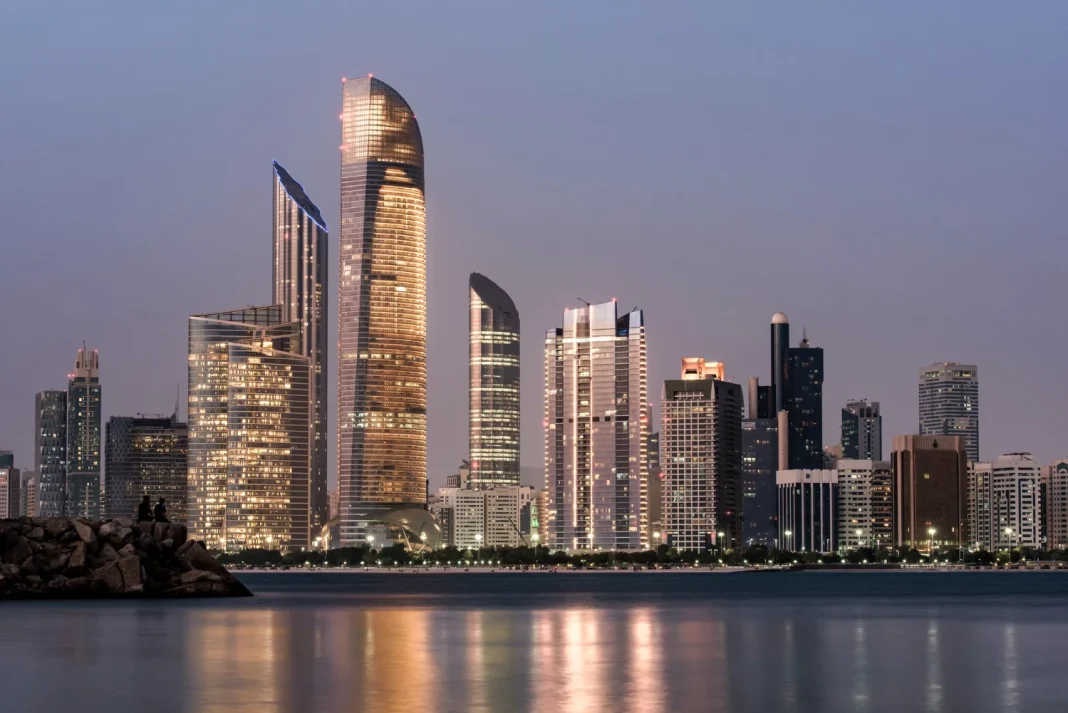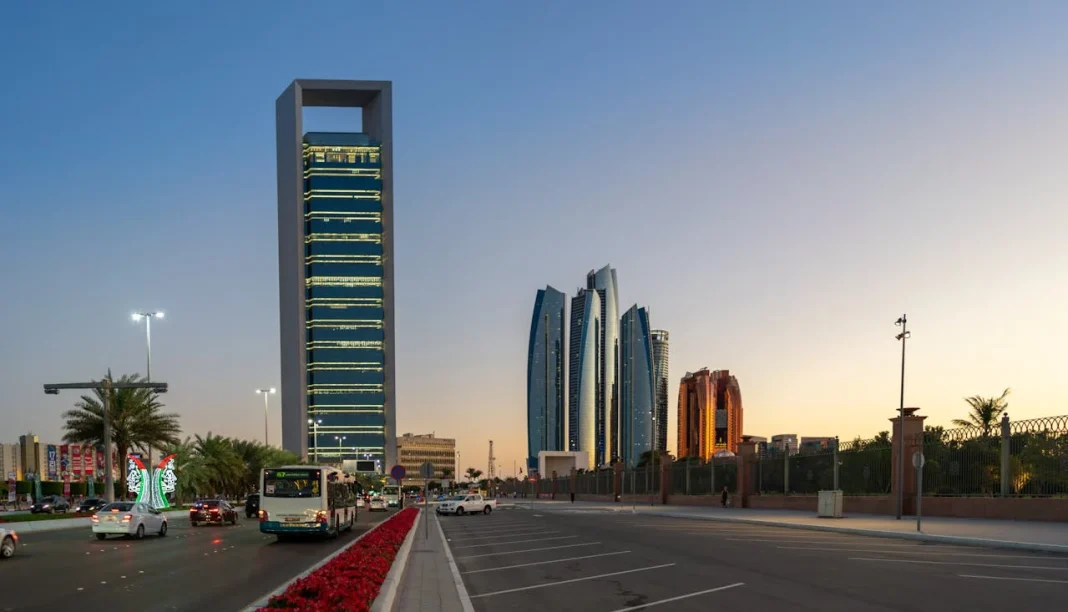


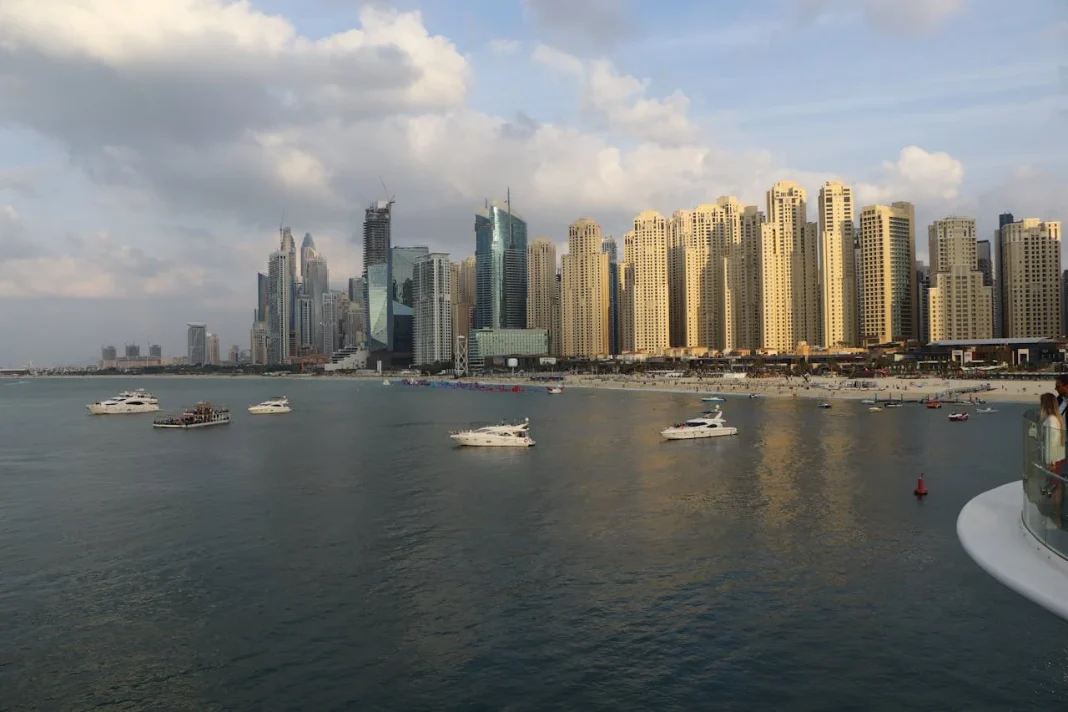
When was the last time a real estate market grew by 160% in a single quarter without anyone calling it a bubble? That is exactly what Abu Dhabi has just done, and official figures from the Abu Dhabi Real Estate Centre (ADREC) leave no room for interpretation: 66 billion dirhams in transactions during the first three months of 2026.
The most striking thing is not just the volume, but the speed. In the same period of 2025, Abu Dhabi’s real estate market moved 25.31 billion dirhams. In other words, in twelve months the market has more than doubled. And it hasn’t been a gradual climb: it has been a leap.
Abu Dhabi breaks all its historical records in the first quarter of 2026
The official ADREC report confirms that the 13,518 transactions recorded between January and March 2026 represent almost double the 6,896 operations from the same quarter of the previous year. Abu Dhabi didn’t just grow: it rewrote its own historical ceiling in a single quarter.
Sales were the main engine, with 50.97 billion dirhams in 8,940 operations, a 228.6% increase in value. Mortgages also grew by 53.4% to 15.03 billion dirhams, indicating that financial leverage is accompanying the organic growth of Abu Dhabi’s real estate market.
Foreign capital discovers Abu Dhabi like never before
The figure that has most impacted analysts is the 423% increase in foreign direct investment, which reached 8.27 billion dirhams. Abu Dhabi is no longer just a destination for Gulf residents: European, Asian, and Latin American capital is entering the real estate market with unprecedented intensity.
This massive flow raises a structural question: if institutional funds and high-net-worth individuals are snapping up Abu Dhabi’s premium inventory, what is left for the average individual investor who arrives late to the party? The 2025 data —with more than 22,400 transactions and 55% growth— suggests that the market was already accelerating before this historical peak.
Why Abu Dhabi’s real estate market doesn’t follow normal laws
In most Western markets, a 160% growth in a quarter would trigger all regulatory alarms. In Abu Dhabi, it occurs in a context of planned infrastructure expansion, the opening of the Disney park on Yas Island, new museums on Saadiyat, and an active visa policy for investors. It is not uncontrolled speculation: it is demand backed by real catalysts.
Furthermore, Abu Dhabi recorded 16 new development projects during the quarter, indicating that supply is also moving. Abu Dhabi’s real estate market is not rising because supply has dried up: it is rising because demand has far exceeded any previous projections.
Who is really buying in Abu Dhabi?
The buyer profile in Abu Dhabi has changed structurally. While three years ago the market was dominated by Emirati residents and Gulf expats, today international institutional funds represent a growing fraction of the volume. Abu Dhabi’s $3 billion sovereign Green Bond, which was four times oversubscribed, is the clearest signal: global capital trusts this emirate as a safe-haven asset.
But the Spanish or Latin American retail investor still has entry windows. Apartments in areas like Al Reem Island have risen 14% in just six weeks following the opening of new connectivity infrastructure, yet they still offer annual returns of 5% to 8%, which are impossible to find in Europe. The key is to act with real information and before the cycle closes those windows.
| Indicator | Q1 2025 | Q1 2026 | Variation |
|---|---|---|---|
| Total transaction value | 25.31 B AED | 66.00 B AED | +160.7% |
| Number of operations | 6,896 | 13,518 | +96% |
| Sales (value) | ~15.50 B AED | 50.97 B AED | +228.6% |
| Foreign direct investment | ~1.57 B AED | 8.27 B AED | +423% |
| Mortgages (value) | 9.80 B AED | 15.03 B AED | +53.4% |
Abu Dhabi in 2026: The real estate market that hasn’t hit its ceiling yet
Projections for the rest of 2026 point to a 16% appreciation in the residential segment, according to the ValuStrat report, with apartments leading the rise. Abu Dhabi has infrastructure commitments extending until 2030 —including a light rail station on Reem Island and the opening of the Disney resort— meaning that demand catalysts are structural rather than cyclical.
For the medium-term investor, the message from Abu Dhabi’s real estate market is clear: institutional capital is not replacing retail, it is validating the market. When large global funds enter with this intensity, there are usually three to five years of sustained growth left before the cycle matures. The time to act is not after everyone is talking about it —it is now, while the conversation has just begun.