

Dubai builds the world’s largest spa and threatens European dominance in wellness tourism: this is Therme Dubai
Are the days of the great European spas numbered as the global benchmark for rest and health? Therme Dubai, the megaproject approved in February 2025 by Sheikh Hamdan bin Mohammed, has just launched the most serious challenge the wellness industry has seen in decades: a 100-meter-high thermal skyscraper in the heart of the world’s most ambitious emirate.
With an investment of 2 billion dirhams —about 545 million dollars— and a projected capacity of 1.7 million annual visitors, this complex does not only aim to be the first of its kind in the Middle East. It intends to lead the global wellness ranking before the decade is out.
Therme Dubai, the wellness skyscraper
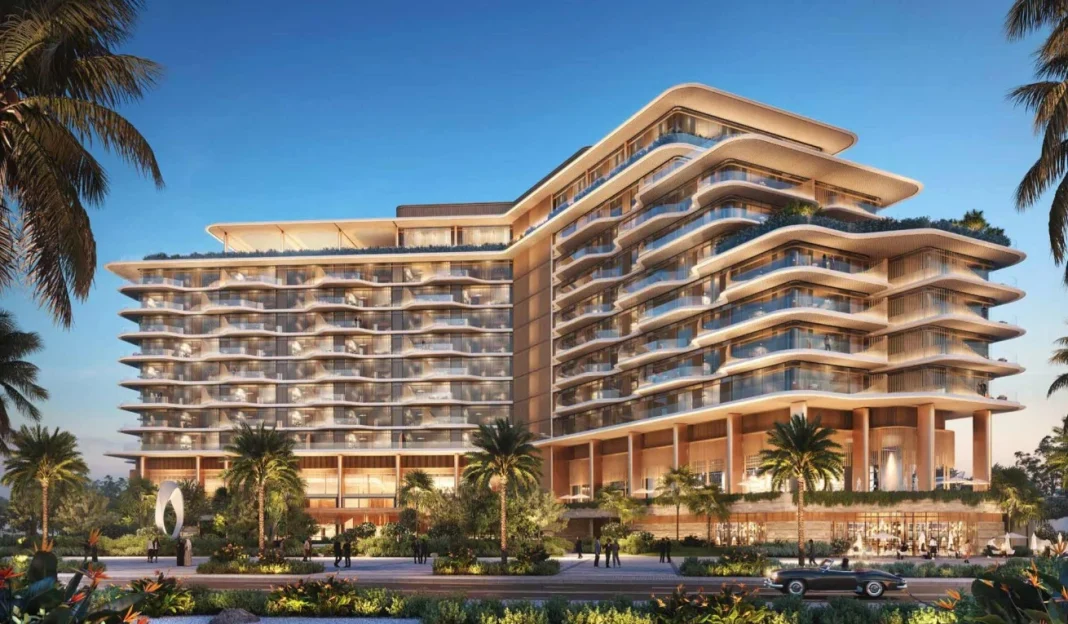
While the rest of the world builds horizontal spas, Dubai builds them vertically. Therme Dubai will rise over Zabeel Park at 100 meters high with more than 500,000 square meters distributed in themed areas that merge cutting-edge technology, indoor nature, and therapeutic traditions from around the planet.
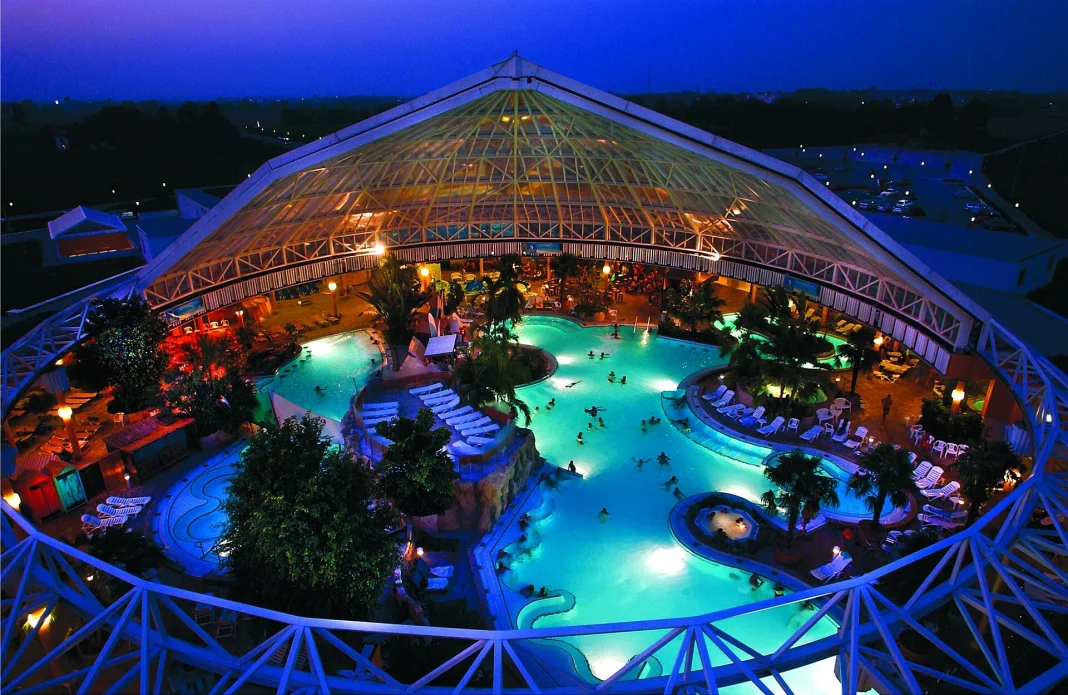
The project, developed by Therme Group —an Austrian firm with experience in wellness complexes in Romania and Germany—, organizes its spaces under three mottos: “Restore”, “Relax”, and “Play”. Therme Dubai will feature Nordic saunas, Turkish hammams, Japanese-inspired thermal baths, three 18-meter indoor waterfalls, and an indoor pool with a 4,500 m² terrace.
Therme Dubai versus the European wellness map
The arrival of Therme Dubai to the global market represents a direct challenge to the great thermal circuits of the old continent. While European wellness rests on centuries of tradition —from Czech spas to Slovenian thermal baths or Scandinavian spas—, the emirate enters the competition with record-breaking infrastructure, top-tier technology, and a reception capacity that no European spa can match today.
What differentiates this project from its European rivals is not just the size. It is the commitment to an urban, integrated, and accessible model: a complex designed for both international tourists and local residents, featuring indoor botanical gardens, a Michelin-starred restaurant, and 15 water slides for the family audience.
Sustainability as a competitive advantage
Therme Dubai does not only aspire to be the largest: it also wants to be the most sustainable in its category. The project is aligned with the Dubai Quality of Life Strategy 2033 and integrates green spaces, energy-efficient technology, and closed-circuit water treatment systems that minimize the environmental impact of a facility of this scale.
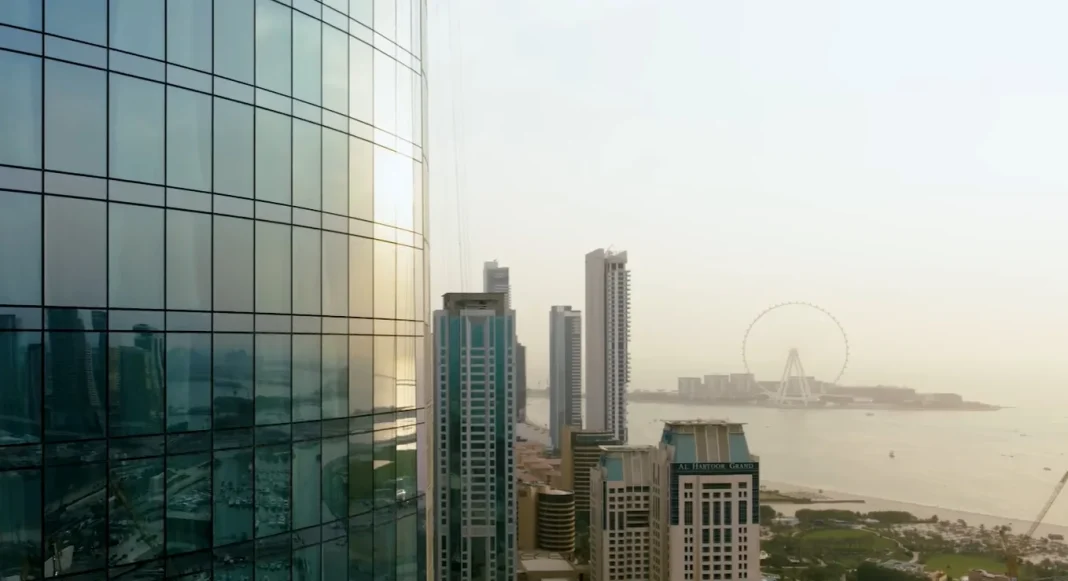
The choice of Zabeel Park as the location reinforces this philosophy. This green lung in the heart of the emirate becomes the ideal setting for a complex that combines tropical botanical gardens, advanced bioclimatic facilities, and architecture designed to integrate into the urban ecosystem rather than impose itself upon it.
Therme Dubai’s record-breaking figures
Therme Dubai is, above all, a project of historic figures that speak for themselves. The official approval by Sheikh Hamdan in February 2025 marked the start of a process that envisions an opening in 2028, with the projected generation of thousands of direct and indirect jobs for the emirate’s economy.
Therme Group already manages reference complexes in Europe, but none reach the dimension of what has been designed for Dubai. With 1.7 million annual visitors expected, Therme Dubai would exceed the attendance of many of the most recognized spas on the European continent from its first full year of operation.
| Indicator | Therme Dubai | Average European reference |
|---|---|---|
| Height | 100 meters | 1–3 floors |
| Investment | ~545 million USD | 50–200 million EUR |
| Expected visitors/year | 1.7 million | 300,000–800,000 |
| Total area | +500,000 m² | 10,000–80,000 m² |
| Opening | 2028 | In operation |
2028 and the new order of wellness tourism
The horizon for Therme Dubai points directly to 2028, but its impact is already being felt in the global wellness industry. Major European spa chains are closely watching a model that integrates luxury, nature, health, and family entertainment on a scale that the old continent has yet to replicate, and which could redefine international industry standards in less than three years.
Anyone who wants to understand where wellness tourism is headed in the next decade must look to the Middle East. Therme Dubai is not just a building under construction: it is the prototype for the new standard of urban wellness and the clearest sign that Dubai is no longer imitating Europe —it is surpassing it.