

Why do we continue to mistakenly assume that mass tourism and supreme elite luxury are opposing forces, until we analyze the expansion plans for Al Maktoum airport? This colossal project located in the desert radically defies all previous logistical conventions. It presents us with a fascinating scenario where the frenetic transit of millions of travelers does not sacrifice a single millisecond of Emirati absolute exclusivity.
The verified data is genuinely staggering for any analyst in the sector: a massive capital injection of over $35 billion will fund five megaton runways. The entire Al Maktoum framework is being painstakingly prepared to absorb with extreme efficiency 260 million international passengers per year. It constitutes definitive proof that the gravitational axis of tourism is shifting.
The desert colossus: Why Al Maktoum will retire the historic DXB airport
Dubai has never hidden its insatiable appetite for structural grandeur, but the development of the new Al Maktoum responds primarily to a strict urgency of operational survival. The current international airport (DXB) is beginning to show clear signs of functional asphyxiation, trapped by the relentless metropolitan urban growth. This physically prevents global air traffic from continuing to expand according to aggressive market demands.
To circumvent this dangerous bottleneck, Emirati authorities made the bold decision to build a portentous site at Al Maktoum from the ground up. This unfathomable strategic complex will be up to five times larger than its saturated predecessor. Such a preventive maneuver will ensure that the constant arrival of premium and corporate travelers never suffers from undignified delays, consolidating the excellence of the destination in the long term.
How the new alliance with Al Maktoum designs the routes of the sky
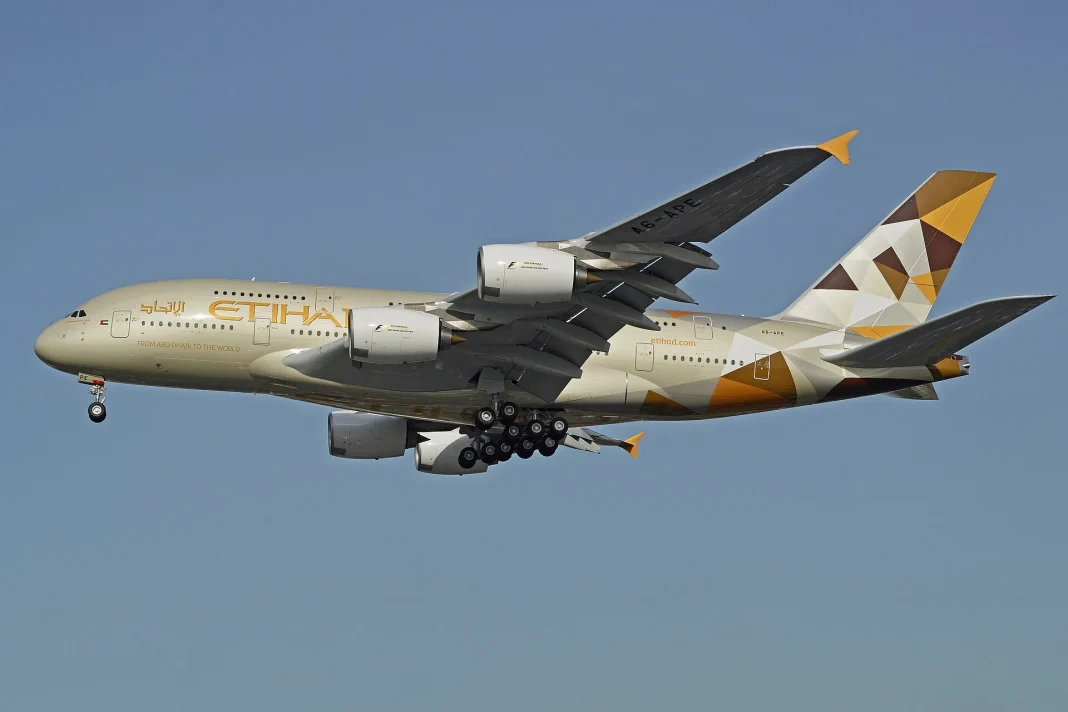
The comprehensive and planned transfer of Emirates‘ operations to the cutting-edge Al Maktoum facility will officially mark the beginning of an unexplored era of transcontinental hyperconnectivity. Such a corporate migration will allow the distinguished Emirati airline to aggressively deploy its modern twin-aisle fleets to exotic markets and emerging cities that, to this day, lack reliable direct flights.
From the privileged perspective of the high-net-worth tourist, the solid strategic alliance between the operator Emirates and the futuristic Al Maktoum will mean the long-awaited eradication of tedious layovers. The brand-new facilities will integrate massive private lounges at their core, allowing the dreaded airport waiting time to agilely evolve into a pleasant extension of a five-star vacation rest.
“Giga-Tourism” lands on the glistening runways of Al Maktoum
Categorically abandoning our travel prejudices is an essential requirement to internalize the colossal magnitude that Al Maktoum proposes. The innovative approach seeks to channel huge volumes of humans without neglecting the exquisite treatment that the contemporary passenger demands. Here, the self-styled “Giga-Tourism” is formally born, a revolutionary model where applied artificial intelligence manages to create an environment that is simultaneously crowded and surprisingly intimate.
It will no longer be remotely enough to guarantee standard comfort during the journey, since Emirates aspires to blow up expectations by fluidly integrating the on-board experience with biometric systems. From the moment the traveler leaves the cabin, they will be immersed in an organic and frictionless transit, forever eliminating historical control queues and agonizing luggage claims.
The immense real estate impact in the Al Maktoum area
The shockwave caused by the Al Maktoum works is already convulsing the map of real estate valuations in the quiet southern sectors of the Arab city. Immense desert tracts of Dubai South are currently the scene of a maelstrom of residential developments, spurred by the foreseeable avalanche of aeronautical executives and crews who will demand premium housing just minutes from the new runways.
This territorial transformation will orchestrate the emergence of an authentic satellite city, vibrant and autonomous, which will pulse rhythmically to the beat of the landings executed by Emirates and its global strategic partners. Foreign investors are hastily injecting fortunes into this area, convinced that the surrounding plots represent a unique opportunity, promising to provide them with formidable financial returns over the coming decades.
| Expansion Time Phase | Annual Passenger Volume | Main Hub Focus |
|---|---|---|
| Current State | 30 million | Heavy cargo and charter flights |
| Transition Phase | 150 million | Relocation of Emirates and long-haul routes |
| Full Capacity | 260 million | “Giga-Tourism” established at the hub |
The horizon of luxury: Global perspectives for Emirati tourism
Contemplating the unshakeable sector estimates in the medium term, it is undeniable that the pharaonic materialization of Al Maktoum will shield Dubai’s enviable supremacy against any competitor. Local authorities and the Emirates ecosystem have clearly understood that the traveler of the future will penalize logistical stress, rewarding those avant-garde destinations that know how to wrap them in a bubble of hyper-convenience from the terminal.
For the demanding globetrotter who is beginning to map out their high-standard routes, my main recommendation is to keep a close eye on the commercial evolution of this new terminal over the next five years. Airlines will test their new customer service prototypes there, offering highly attractive introductory business class fares. Whoever manages to anticipate this will have the privilege of inaugurating the most dazzling gateway in the world.