
¿Tiene sentido comprar un apartamento en Dubai cuando el precio medio ha subido un 16% en un solo año? La respuesta, paradójicamente, sigue siendo sí para quienes conocen la mecánica del mercado: los proyectos en pozo permiten entrar a precios de lanzamiento, antes de que la revalorización se consolide en el precio final de escritura.
El dato que cambia la ecuación es simple pero contundente: el dírham de los Emiratos lleva anclado al dólar desde 1997 a una paridad fija, lo que convierte cualquier rentabilidad generada en Dubai en una rentabilidad real en dólares, sin riesgo de tipo de cambio. Para un inversor europeo acostumbrado a ver cómo la inflación erosiona sus ahorros, este detalle lo cambia todo.
Dubai Marina y Business Bay: los dos epicentros de la inversión en Dubai
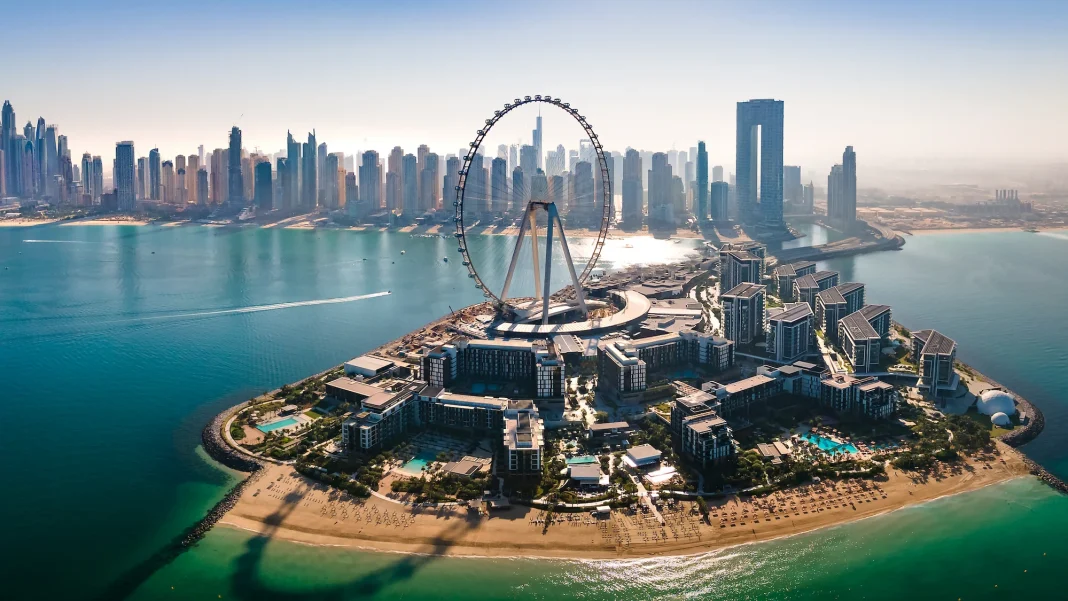
En abril de 2026, el precio medio del metro cuadrado en Dubai alcanzó su máximo histórico: 1.840 AED por pie cuadrado, con una subida interanual del 16,1%. Dentro de ese mercado, dos zonas concentran el mayor volumen de transacciones internacionales: Dubai Marina y Business Bay, cada una con un perfil de inversor diferente pero con retornos igualmente atractivos.
Business Bay está en plena transformación de distrito comercial a hub de uso mixto, lo que empuja su yield bruto hasta el rango del 7% al 8,5% anual. Dubai Marina, más consolidada y con alta demanda de alquiler turístico y corporativo, ofrece un yield algo más ajustado, entre el 6% y el 7%, pero con una plusvalía adicional por revalorización del activo del 8% al 12% anual.
Por qué el modelo en pozo multiplica la rentabilidad en Dubai
La compra en pozo es el formato que más interés despierta entre inversores que acceden a Dubai por primera vez. El mecanismo es sencillo: se firma el contrato al precio de lanzamiento y se paga por tramos durante la construcción, mientras el valor del inmueble ya sube en el mercado secundario. Cuando la Marina o Business Bay entregan el edificio, el comprador puede escriturar, alquilar o vender con una plusvalía acumulada desde el primer día.
A esto se suma un marco fiscal que no tiene equivalente en Europa: Dubai no aplica impuestos sobre los ingresos por alquiler ni sobre las ganancias de capital en el momento de la venta. El único coste tributario real es el impuesto de transferencia del 4% sobre el valor de compra, un porcentaje que queda absorbido rápidamente por los rendimientos del primer año.
El perfil del inversor que está apostando por esta ciudad
El inversor hispanohablante que llega a Dubai ya no es exclusivamente el perfil de alto patrimonio. El aumento de proyectos off-plan con planes de pago flexibles ha bajado la barrera de entrada: hay estudios y apartamentos de un dormitorio en zonas prime por debajo de los 200.000 euros, con esquemas de pago del 10% al firmar y el resto escalonado hasta la entrega.
Además, quien supera los 750.000 AED (aproximadamente 200.000 dólares) en inversión inmobiliaria puede acceder a un visado de residencia renovable vinculado a la propiedad. Y si la inversión supera los 2 millones de AED (unos 545.000 dólares), se abre la puerta al Golden Visa de 10 años, con acceso a servicios bancarios y ventajas adicionales para toda la familia.
Qué dicen los datos sobre la demanda de alquiler en Dubai
La demanda de alquiler en Dubai no depende de un solo segmento: la ciudad absorbe turistas de corta estancia, ejecutivos expatriados en contratos corporativos y familias residentes a largo plazo. Esta diversidad de demanda es lo que garantiza una ocupación estructuralmente alta incluso en periodos de menor actividad turística, un fenómeno que no ocurre en destinos más estacionales.
En 2026, un apartamento de una habitación en Dubai Marina genera entre 24.000 y 35.000 dólares anuales en alquiler, según datos de seguimiento de precios del mercado. Business Bay, con tipologías similares pero orientadas al perfil ejecutivo, presenta rangos comparables con una rotación de inquilinos más estable y contratos de mayor duración media.
| Zona | Yield bruto anual | Precio entrada aprox. | Tipo de demanda |
|---|---|---|---|
| Business Bay | 7% – 8,5% | Desde 150.000 USD | Ejecutivos y corporativo |
| Dubai Marina | 6% – 7% | Desde 180.000 USD | Turistas y expatriados |
| Downtown Dubai | 5,5% – 6,5% | Desde 250.000 USD | Premium y largo plazo |
| JVC | 7,5% – 9% | Desde 100.000 USD | Residentes y familias |
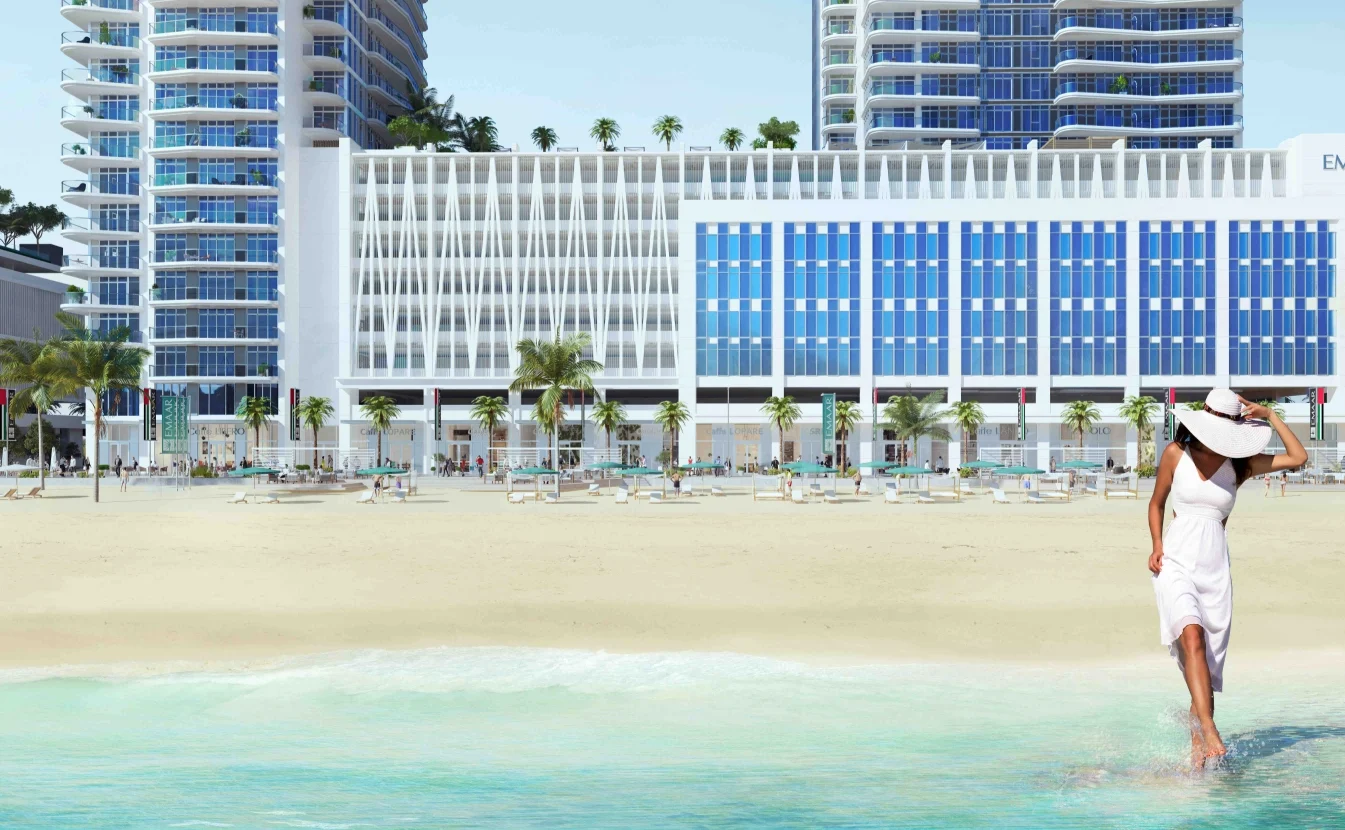
| Emaar Beachfront | 7% – 8% | Desde 220.000 USD | Turístico costero |
El horizonte de Dubai en 2027: moderación del crecimiento, no caída
Los analistas de Savills y Knight Frank coinciden en que Dubai entrará en una fase de crecimiento más moderado en la segunda mitad de 2026 y en 2027, con subidas de precios en torno al 5% al 8% anual frente al 16% registrado en el último ejercicio. Eso no es una señal de alarma: es la madurez de un mercado que deja atrás la euforia y se consolida como destino de inversión estructural.
Para quien esté evaluando una entrada, el consejo que repiten los inversores con más recorrido en la ciudad es siempre el mismo: no esperar al momento perfecto. En Dubai, quien ha esperado a que los precios bajen lleva diez años esperando. La ventana real está en seleccionar bien la zona, negociar el plan de pago en pozo y asegurar la gestión del alquiler desde el primer día de entrega.