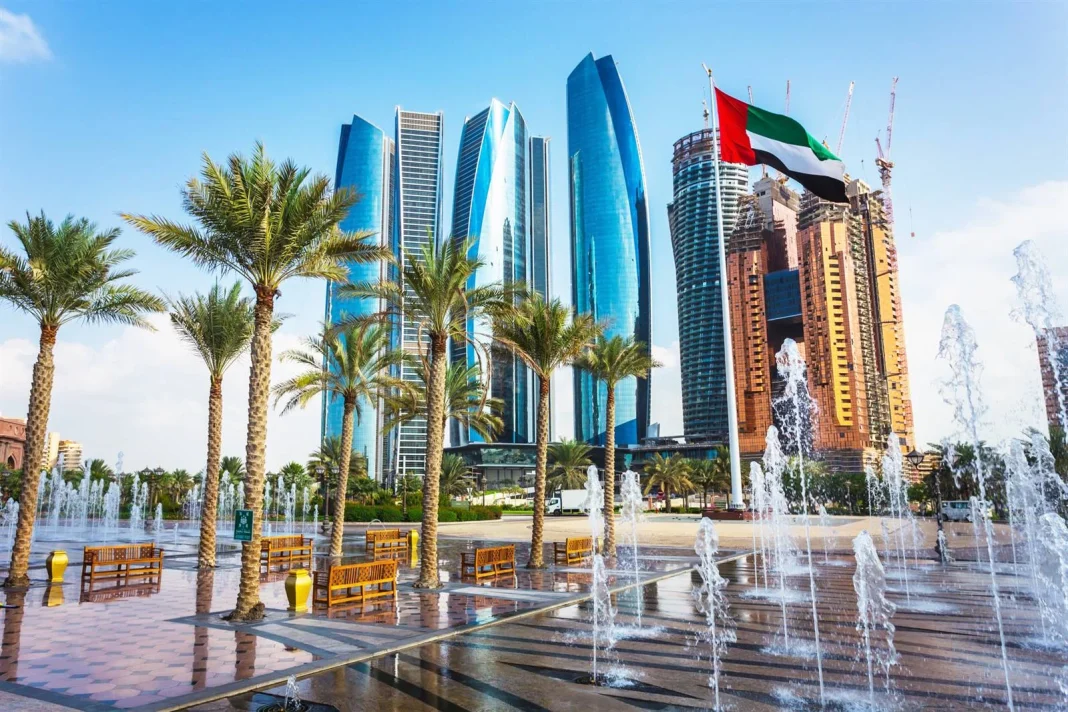


Is it possible for a city in the middle of the desert to become the safest place for your money when the world seems to be falling apart? The reality of Dubai in 2026 defies any conventional economic logic, positioning itself as an irresistible magnet for capital fleeing European fiscal pressure.
While major Western powers struggle to contain inflation and shortages, this emirate has achieved record growth in foreign direct investment projects. The promise is clear: absolute stability and an infrastructure that does not stop in the face of external supply crises.
Dubai’s economic resilience in the face of the energy crisis
The current scenario shows an unbridgeable gap between saturated markets and the operational agility offered by this financial hub. In Dubai, the long-term planning of the D33 agenda has shielded production costs against the volatility of gas and electricity in the rest of the planet.
It is not just about building skyscrapers, but about offering an ecosystem of trust where Spanish entrepreneurs find facilities that are utopian in their home country. The ability to attract talent and technology companies is permanently redefining the global economic power map.
The role of Petro-dollars in Dubai’s new financial architecture
The strategic reinvestment of Petrodollars has been the necessary fuel for Dubai to stop relying exclusively on crude oil and transform into a global logistical node. This massive liquidity allows the emirate to maintain smart energy subsidies that directly benefit free zones and heavy industry.
For the investor seeking to diversify, understanding the Petrodollar cycle is fundamental to anticipating movements in the real estate market. The city not only consumes wealth but recycles it to ensure that basic services remain competitive while prices double in Europe.
Legal certainty as a shield against uncertainty
One of the pillars sustaining this migratory flow of capital is the robustness of its legal framework for foreigners. In a world where regulations change overnight, Dubai offers a clear roadmap that protects assets against expropriation or unforeseen fiscal changes.
Transparency in the processes of opening companies and obtaining residency through investment has eliminated the barriers that previously held back medium-sized estates. Today, managing a business from the Emirate is synonymous with administrative efficiency and respect for private property rights.
Operating costs and tax advantages in the 2026 horizon
The comparison of current expenses between European capitals and the Emirati financial district yields surprising results this year. While in Spain the tax burden and the price of the kilowatt stifle profit margins, Dubai maintains low-tax structures designed to incentivize spending.
The use of solar energy and new supply agreements have allowed the city to avoid the blackouts or restrictions that threaten other business centers. This competitive advantage particularly attracts data centers and artificial intelligence companies that require an uninterrupted energy flow.
| Investment Factor | European Market (Average) | Dubai Market |
|---|---|---|
| Corp. Tax Burden | 25% – 30% | 0% – 9% |
| Energy Stability | Volatile / High | Stable / Medium |
| FDI Growth | Stagnant | +33% Annual |
| Legal Certainty | Slow Bureaucracy | Agile Arbitration |
The future of Dubai: A consolidated refuge for the investor
Looking toward the end of the decade, the trend indicates that the flow of capital toward the Emirates is not a passing phenomenon but a structural shift. Petrodollars will continue to finance the transition toward a knowledge economy, ensuring that the city remains the center of gravity for trade between East and West.
The advice for the veteran investor is to maintain vigilance over new development zones, where appreciation still has room to grow. Betting on Dubai today is buying financial life insurance in a world desperately searching for a place where logic and profit walk hand in hand once again.