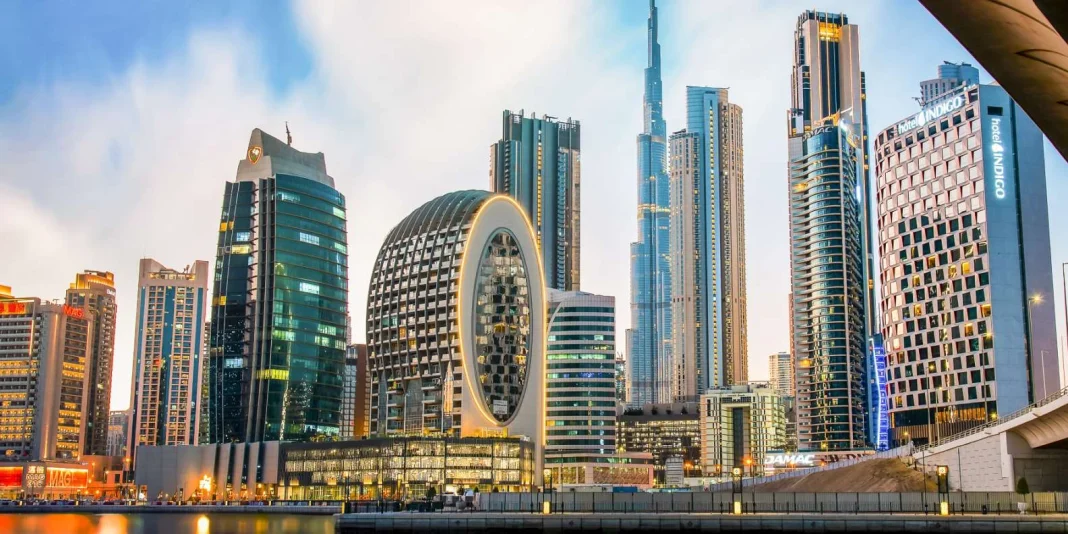


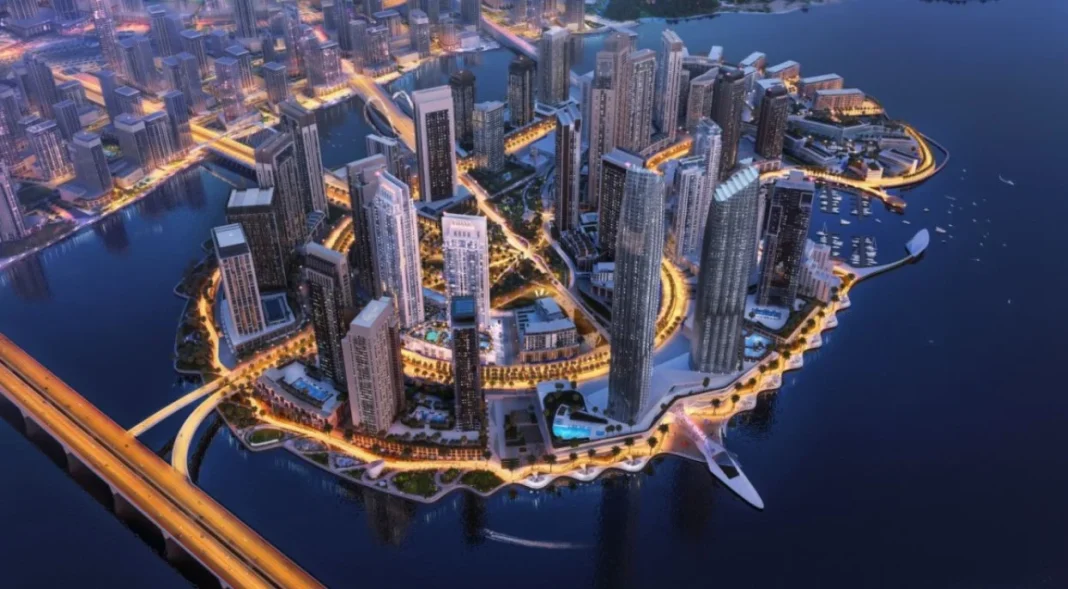
Is it really smart to put all your savings into a single market when you have two financial powerhouses competing just a few kilometers apart? The reality is that Dubai has stopped being a speculative bet and has become an ecosystem of economic maturity where the Spanish investor is looking for more than just sun and impossible structures.
Data from this first quarter of 2026 reveals that the non-oil sector has reached its highest growth peak in two years, consolidating an environment where legal certainty and the absence of direct taxes are no longer the exception, but the established norm for global capital.
The Unstoppable Dynamism of Dubai’s Real Estate Sector
Why settle for stagnant European returns when the “off-plan” market continues to project double-digit revaluations for next year? The city of Dubai moves at a speed that punishes the indecisive, especially now that direct developer financing options are eliminating traditional banking barriers.
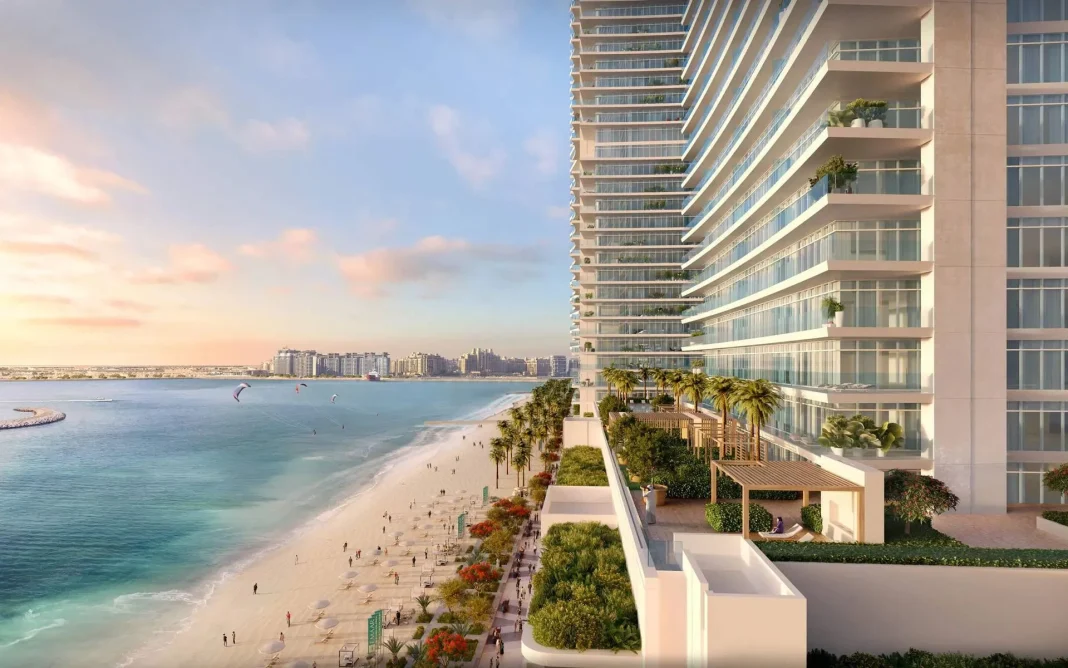
The appetite for ultra-luxury villas and apartments in areas like Dubailand shows no signs of fatigue, driven by a Golden Visa that remains the main draw for high-net-worth tax residency. The market’s liquidity allows for an asset rotation that is, simply put, impossible to replicate in any other financial capital in today’s world.
Asset Comparison: Dubai vs. Abu Dhabi’s Shield
When analyzing where money flows, we see that Dubai is consolidating itself as the epicenter of immediate returns, while the bet on Abu Dhabi responds to a need for long-term capital preservation. This duality allows the investor to diversify between the dynamic cash flow of one and the sovereign stability of the other, balancing risk masterfully.
While the first emirate absorbs demand from young expats and digital nomads, the second attracts institutional profiles that value projects like the Saadiyat Cultural District. Understanding that Dubai offers speed and Abu Dhabi offers structure is the foundation for any portfolio that aims to survive the global volatility of emerging markets this year.
Managing Geopolitical Risk on the Arabian Peninsula
Can an external conflict slow down the construction pace of a nation that has decided to lead global technology? The resilience demonstrated by the Emirates in the face of international media noise underscores that Dubai has a shield that goes beyond the economic, based on investor confidence built over decades of strategic neutrality.
The most seasoned investors know that volatility often presents unique entry opportunities for those with the necessary liquidity at the right moment. In Abu Dhabi, the state response to global crises translates into tourism and financial emergency protocols that protect the profit margins of those who have bet on the emirate’s Vision 2030.
Entry Strategies for Small and Medium Investors
You don’t need a seven-figure budget to participate in this economic feast, as new fractional investment platforms are democratizing access to premium assets. The key lies in identifying those areas of Dubai that have not yet reached their price ceiling, such as the new southward expansions, where state infrastructure is already guaranteed by law.
On the other hand, diversification into Abu Dhabi can be achieved through real estate funds that benefit from the scarcity of supply on high-end residential islands. This mix of assets ensures that the investor does not depend on a single economic cycle, taking advantage of both mass tourism and government investment in artificial intelligence and sustainability.
| Investment Profile | Recommended Emirate | Time Horizon |
|---|---|---|
| Holiday Rentals | Dubai (Marina/Downtown) | Short Term (1–3 years) |
| Capital Preservation | Abu Dhabi (Saadiyat) | Long Term (10+ years) |
| Capital Gains Under Construction | Dubai (South/Expansions) | Medium Term (3–5 years) |
| Institutional Stability | Abu Dhabi (Al Reem) | Long Term (7+ years) |
The Future of Abu Dhabi and the New Regional Economic Order
The trend toward the end of 2026 points to an even greater integration of technology in asset management, with the emirate of Abu Dhabi leading the creation of AI-governed smart cities. This transformation not only reduces the operational costs of properties, but also increases the intrinsic value of every square meter by integrating it into an efficient and automated service system.
Looking toward the future means accepting that the old financial guard is losing ground to the agility of the Emirates. If you keep your capital diversified between the vibrant energy of Dubai and the institutional solidity of Abu Dhabi, you will be positioning your wealth on the right side of this decade’s economic history, ensuring sustainable and protected growth.