


Is it possible that the most watched real estate market on the planet is capable of ignoring the noise of missiles crossing the Persian Gulf? Today’s reality in Dubai defies any traditional economic logic by demonstrating that, even under crossfire, capital does not disappear, but rather seeks refuge in brick and concrete structures.
Data from March 2026 reveals a fascinating paradox: while multinationals activate contingency plans, luxury transactions have marked a historical record. The emirate has decided that its best defense is not military, but an unprecedented legal shielding that protects every euro deposited in its skyscrapers.
Dubai’s Structural Resilience Against Geopolitical Noise
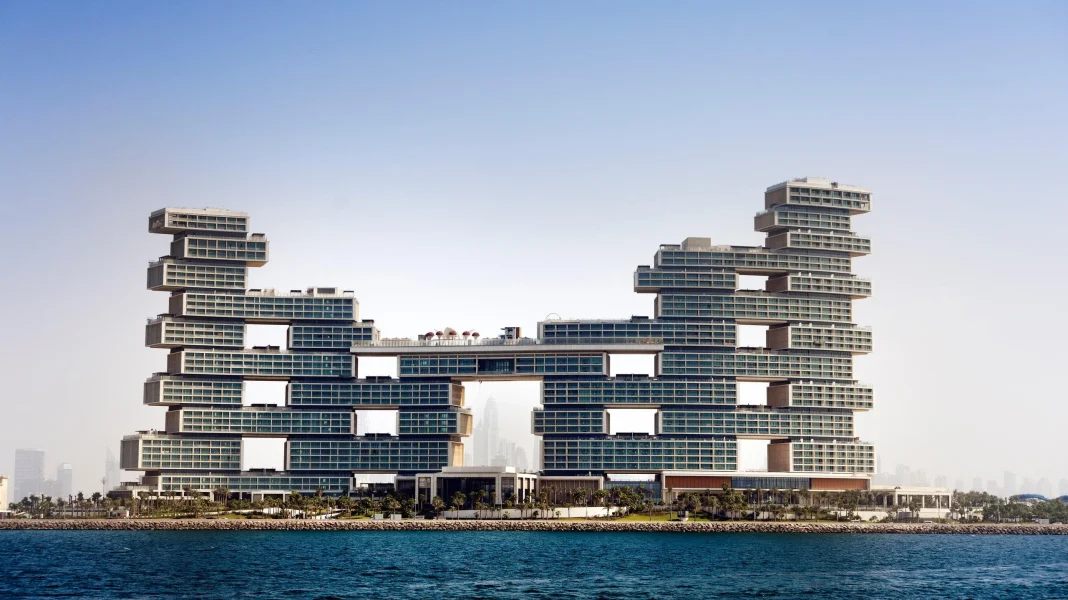
The sector has moved from a phase of speculative growth to a resilient maturity that has surprised S&P Global analysts. The key lies in the fact that 70% of sales in districts like Palm Jumeirah are now conducted in liquid cash, eliminating the leverage risk that sank the city in 2008.
This financial strength allows prices to maintain unusual stability despite oil volatility and external threats. Investors are no longer just buying square meters, but a world-class infrastructure that remains one hundred percent operational just hours after any detected regional incident.
New 2026 Laws to Protect Foreign Investment
The recent enactment of Law No. 4 of 2026 in Dubai has been the master move to regulate shared housing and short-term rentals. This legal framework ensures that any investment made has institutional backing that prevents capital flight in moments of maximum psychological tension.
The government has reinforced guarantees for Golden Visa holders, ensuring that residency status is not altered by the external situation. This regulatory certainty is what keeps the Spanish and European community linked to a market that has proven to absorb shocks better than Western stock exchanges.
The Psychological Factor: Dubai as a Mobile Capital Haven
Fear is a powerful driver in finance, but in this emirate, it has been transformed into a catalyst for tangible assets. When uncertainty increases in neighboring countries, capital seeks refuge in a strategic neutrality that the UAE government defends with exemplary emergency protocols.
It is not just about gleaming skyscrapers, but about an internal operability that does not stop; ports and airports return to normalcy in record time. This crisis management capability is what consolidates the confidence of the investor seeking wealth protection against the devaluation of other currencies.
Comparison of the Luxury Market and Residential Demand
Residential demand does not depend exclusively on tourism, which provides a stable base of end-users who live and work in the city. Districts with high tourist influx may suffer temporary volatility, but the premium segment remains an integral pillar of the national GDP in this cycle.
While the luxury sector evaluates its priorities, middle-class housing in areas like Jumeirah Village Circle is gaining massive traction. This shift toward a more balanced market suggests that the current cooling is a necessary healthy correction to avoid past bubbles and guarantee long-term returns.
| 2026 Indicator | Market Status | Crisis Impact |
|---|---|---|
| Cash Transactions | 70% in Luxury Sector | High Resilience |
| Monthly Volume | 761,000M AED (January) | Historical Record |
| Buyer Profile | Institutional Investor | Search for Refuge |
The Future of Real Estate in Dubai and Expert Advice
Looking toward the end of the year, the forecast is for the market to reach progressive stabilization as the new 2026 RERA regulations filter out speculators. Capital appreciation will remain linked to completed projects or those with immediate delivery, minimizing exposure to construction delays due to logistical costs.
My advice for the Spanish investor is to prioritize units with professional management and avoid off-plan pre-sales without solid bank guarantees. Dubai’s shielding is real, but it requires a surgical selection of assets to transform regional volatility into a strategic opportunity for geographical and financial diversification.