

What if the biggest mistake when investing in Dubai was not buying too much, but buying too late? Those who entered the off-plan market in Dubai between 2021 and 2023 captured appreciation of between 25% and 50% before their properties were completed. The mechanism is not luck: it is structural. And in 2026, the window is still open, though narrower than before.
Why Off-Plan in Dubai Beats the Traditional Market
Off-plan properties are marketed at prices that do not yet incorporate the value of the completed project. An investor who enters at the excavation phase can acquire at 20-30% below the price that same asset will have at the time of delivery, according to 2025 Emirati real estate sector data.
Additionally, developers in Dubai offer installment payment plans during construction, with initial deposits of between 10% and 20% of the total value. This allows available capital to be leveraged across several simultaneous projects, multiplying market exposure with a fraction of the usual outlay.
Dubai 2026: The Cycle That Changes the Rules
The real estate market in Dubai closed 2025 with more than 270,000 transactions and 20% year-on-year growth in the number of operations. In 2026, the cycle has entered a consolidation phase: prices are rising more slowly, but demand remains sustained by a population that already exceeds 4 million residents.
For the off-plan investor, this new cycle is a sign of maturity, not alarm. The speculative returns of the past give way to a predictable net ROI of 8% per year, backed by rents paid in advance and a tax framework of zero taxes on income and capital gains. Dubai no longer promises miracles: it delivers measurable certainties.
Key Areas Where Off-Plan Still Offers Entry Advantage
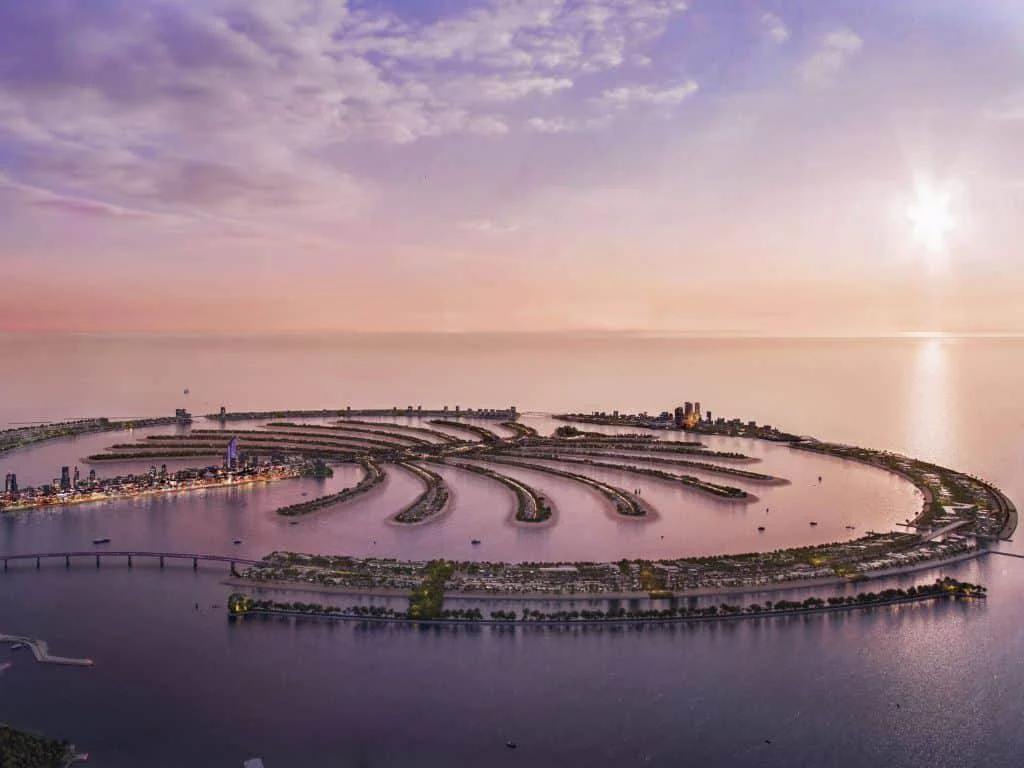
Not all off-plan projects generate the same return. Areas that combine consolidated demand with limited supply — Palm Jebel Ali, Dubai Islands, and Emaar Beachfront — recorded sales growth of over 40% in 2025 and are the ones analysts point to for 2026 as markets with the greatest appreciation potential.
Dubai Silicon Oasis and Jumeirah Village Circle offer an alternative for investors with less available capital: studios from $88,000 with stable net yields between 8% and 8.5%, price-to-rent ratios of 10.5 to 11 years, and tenant demand sustained by a corporate and university ecosystem.
How to Structure the Deal to Maximize ROI in Dubai
The most efficient off-plan strategy combines two possible exits: resale before delivery, capturing the appreciation accumulated during construction, or holding the asset for rental, receiving the first full annual payment at the time of signing. Both routes generate cash flow without the tax friction that raises costs in European markets.
The purchase process in Dubai requires registering the contract with the Dubai Land Department, paying a fee of 4% of the property value. This entry cost is fixed and transparent. There are no annual property taxes, nor on capital gains, which turns every percentage point of gross yield into almost entirely net yield.
| Area | Entry Price (approx.) | Estimated Net ROI 2026 | Risk Profile |
|---|---|---|---|
| Palm Jebel Ali | From $500,000 USD | 7-10% | Medium-high |
| Emaar Beachfront | From $450,000 USD | 7-10% | Medium-high |
| Dubai Silicon Oasis | From $88,000 USD | 8-8.5% | Low |
| Jumeirah Village Circle | From $110,000 USD | 8-8.5% | Low |
| Dubai Islands | From $350,000 USD | 8-9% | Medium |
2026–2028 Outlook and the Advice Brokers Rarely Give
Projections for the 2026–2028 cycle point to a stabilization of prices with moderate growth, driven by the Dubai 2040 urban plan, which aims to accommodate 5.8 million residents. Supply will increase, but qualified demand — high-net-worth migrants, relocated companies — will absorb deliveries without collapsing prices.
The real advice the data justifies is this: in 2026, chasing 12% returns in speculative areas is riskier than securing a predictable 8% in consolidated assets. The off-plan window in Dubai is still open, but it no longer forgives mistakes in location or developer. Researching the developer’s track record and verifying registration with the Dubai Land Department before signing is not optional: it is the difference between an investment and a gamble.