
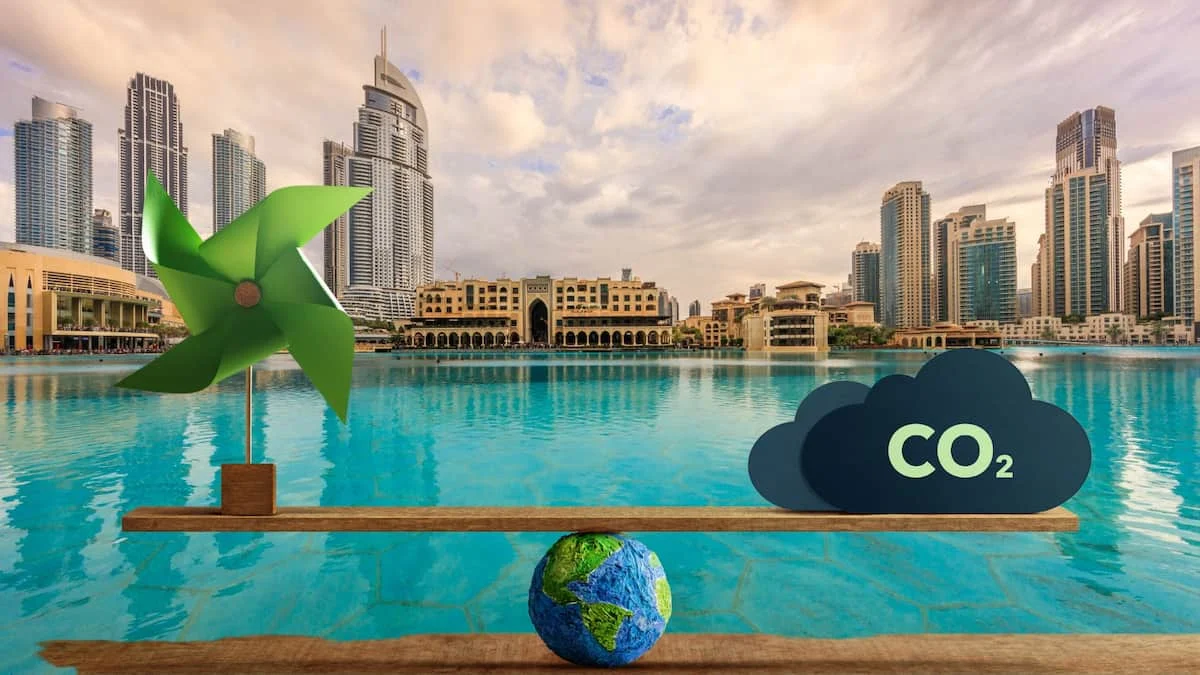
Emiratos Árabes Unidos (EAU) ha emergido como un pionero global en la adopción de energías limpias, posicionándose a la vanguardia de la transición energética mundial. Gracias a una visión estratégica y a inversiones sustanciales, EAU demuestra un compromiso sólido con la sostenibilidad y la diversificación de su matriz energética, reduciendo paulatinamente su dependencia de los combustibles fósiles.
Este impulso hacia la energía renovable no solo responde a las demandas ambientales globales, sino también a una agenda nacional ambiciosa que busca garantizar un desarrollo económico sostenible a largo plazo. La combinación de tecnologías innovadoras y una planificación estratégica ha permitido a EAU establecerse como un modelo a seguir para otras naciones en la región y más allá.
Estrategia integral de EAU para energías renovables
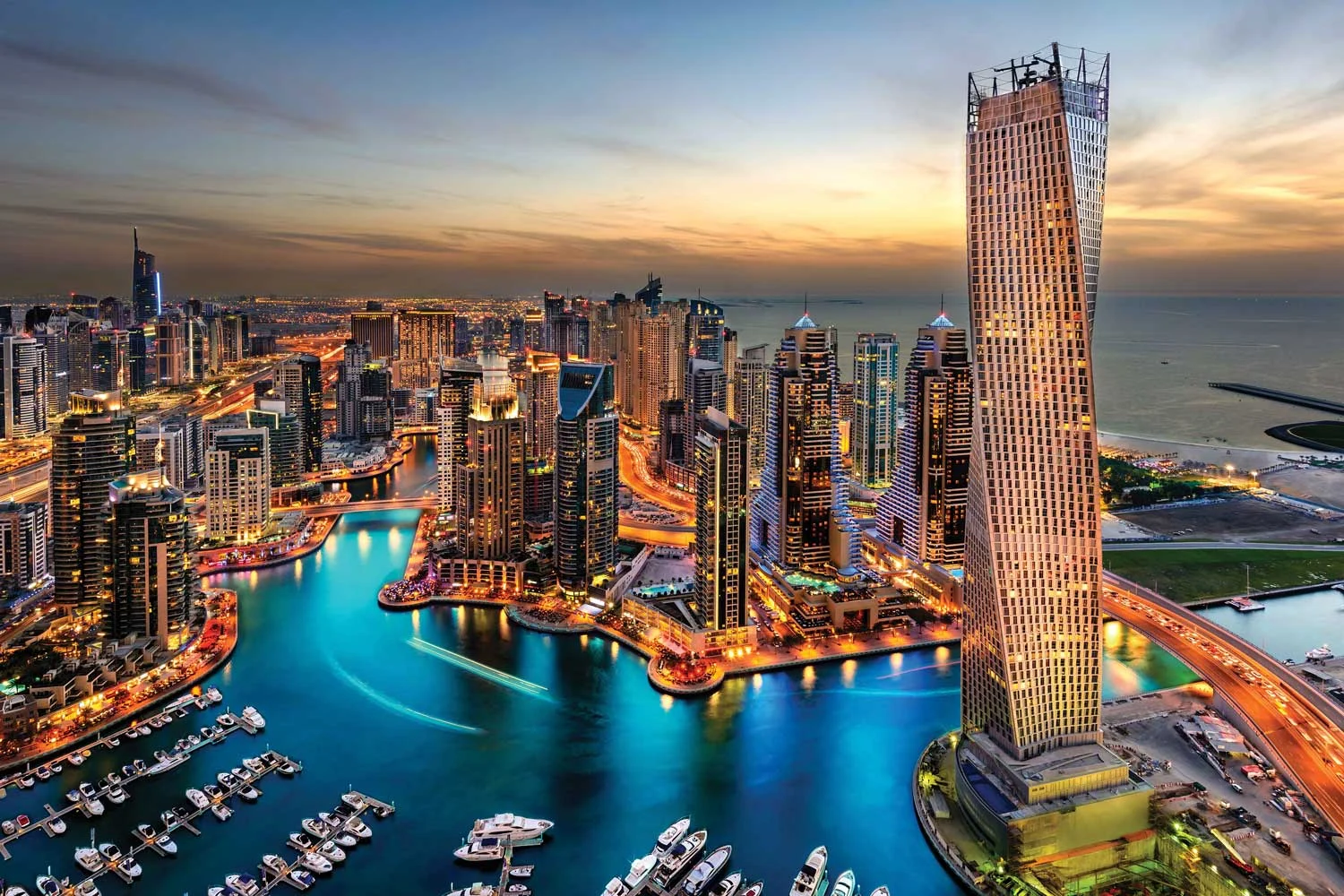
La estrategia energética de Emiratos Árabes Unidos se caracteriza por su integralidad y visión a largo plazo, abarcando múltiples fuentes de energía renovable como la solar, eólica, hidrógeno verde y tecnologías de captura de carbono. Esta diversificación no solo fortalece la seguridad energética del país, sino que también posiciona a EAU como un líder en el ámbito del cambio climático y la sostenibilidad global.
En los últimos años, EAU ha implementado una serie de proyectos ambiciosos que reflejan su compromiso con la expansión de las energías limpias. Desde grandes parques solares hasta instalaciones de energía eólica, cada iniciativa está diseñada para maximizar el uso de recursos naturales abundantes en la región, garantizando una producción energética eficiente y sostenible.
Además, la inversión en tecnologías de captura de carbono demuestra la doble estrategia de EAU: no solo generar energía limpia, sino también mitigar las emisiones de carbono, contribuyendo significativamente a los objetivos globales de reducción de gases de efecto invernadero. Este enfoque holístico asegura que EAU no solo avanza en términos de producción de energía renovable, sino que también aborda los desafíos ambientales más apremiantes.
Proyectos de energía solar y su impacto en la red energética
Uno de los pilares fundamentales de la estrategia energética de EAU es la energía solar, aprovechando el excepcional potencial solar de la región. A finales de este año, el país contará con 13 proyectos solares en funcionamiento, los cuales aportarán una capacidad de 10,6 GW a la red energética nacional para 2024. Esta expansión significativa no solo aumenta la proporción de energía renovable en la matriz energética de EAU, sino que también impulsa la economía local mediante la creación de empleos y el desarrollo de tecnología avanzada.
La energía solar en EAU no se limita únicamente a la producción de electricidad. Proyectos innovadores están explorando el almacenamiento de energía y la integración con otras fuentes renovables, garantizando un suministro constante y estable incluso durante periodos de baja radiación solar. Este enfoque multifacético asegura que la energía solar sea una parte integral y fiable de la infraestructura energética del país.
El aumento de la capacidad solar también contribuye a la reducción de costos energéticos a largo plazo, haciendo que la energía limpia sea más accesible y competitiva. Además, esta transición hacia la solar está alineada con los objetivos nacionales de sostenibilidad y la visión de EAU 2050, que busca una mezcla energética diversificada y resiliente frente a los desafíos futuros.
Hidrógeno verde: el siguiente paso en la revolución energética de EAU
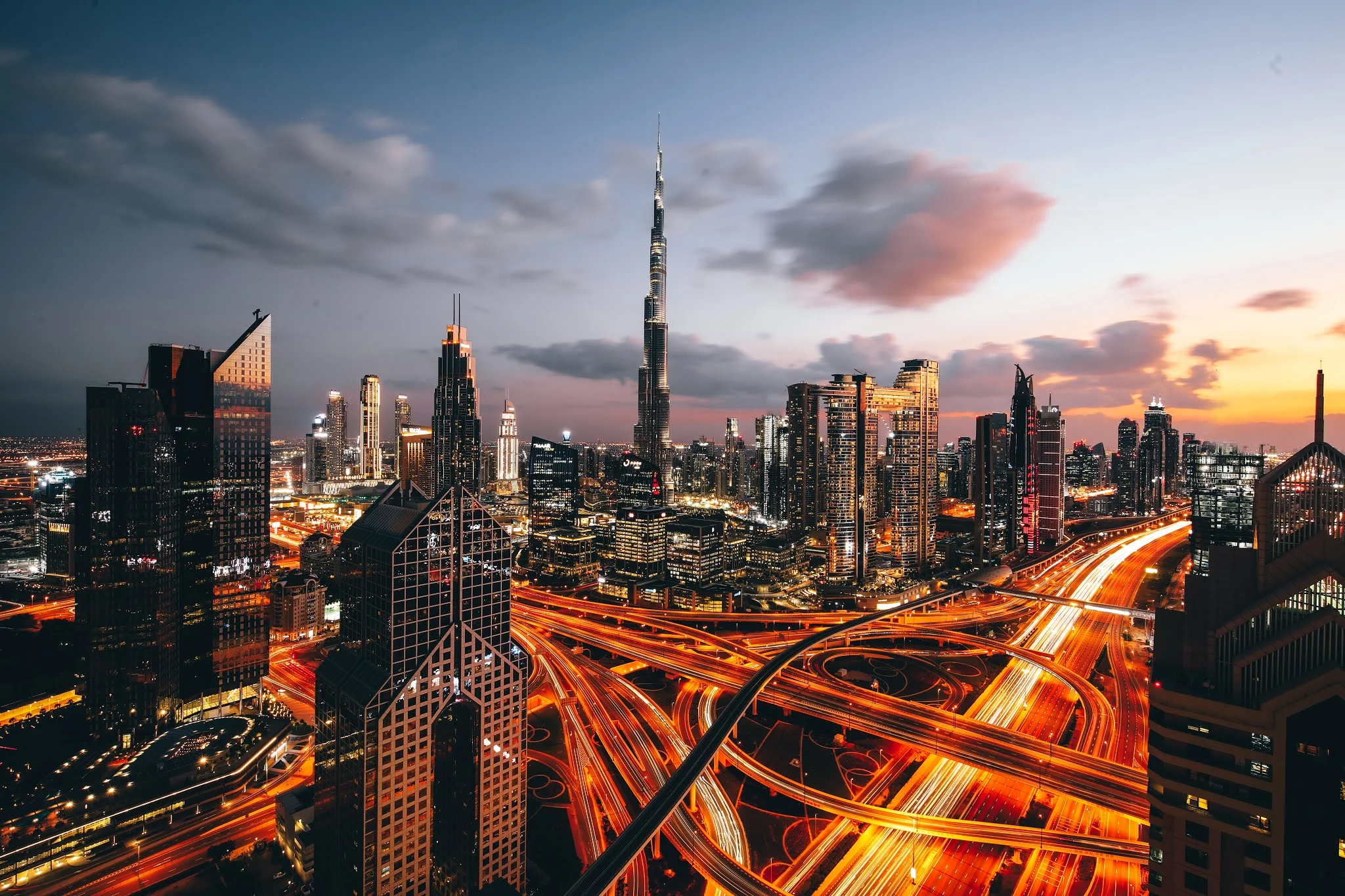
Emiratos Árabes Unidos está apostando fuertemente por el hidrógeno verde como una de las principales fuentes de energía del futuro. Con un objetivo ambicioso de producir 1,4 millones de toneladas anuales de hidrógeno para 2031, EAU se posiciona entre los líderes mundiales en la producción de este combustible limpio. El hidrógeno verde, producido a partir de fuentes renovables, ofrece una alternativa sostenible y versátil a los combustibles fósiles tradicionales, con aplicaciones que van desde el transporte hasta la industria pesada.
La apuesta por el hidrógeno verde no solo diversifica la cartera energética de EAU, sino que también crea oportunidades económicas significativas en sectores de alta tecnología y manufactura avanzada. Los proyectos en este ámbito están diseñados para aprovechar las ventajas naturales de EAU, como su abundante sol y viento, que facilitan la producción eficiente de hidrógeno mediante electrólisis.
Además, el desarrollo de una cadena de valor del hidrógeno robusta y sostenible es fundamental para que EAU se consolide como una potencia mundial en este sector. Inversiones en infraestructura, investigación y desarrollo, y colaboraciones internacionales son clave para lograr una producción y distribución eficiente de hidrógeno verde. Este enfoque integral no solo impulsa la transición energética de EAU, sino que también contribuye a los esfuerzos globales para mitigar el cambio climático y promover un futuro sostenible.
Diversificación energética y compromiso con la sostenibilidad
La diversificación de la matriz energética es un componente esencial de la Estrategia Energética 2050 de Emiratos Árabes Unidos, que asigna un presupuesto de 54.000 millones de dólares hasta 2030. Esta inversión masiva subraya el compromiso de EAU con un futuro sostenible, donde las energías renovables juegan un papel central en el desarrollo económico y ambiental del país.
Esta estrategia no solo busca aumentar la capacidad de producción de energía limpia, sino también fomentar la innovación tecnológica y el desarrollo de nuevas industrias verdes. La diversificación energética permite a EAU adaptarse a las fluctuaciones del mercado global de energía, garantizando una economía más resiliente y menos vulnerable a las volatilidades de los precios del petróleo y del gas.
El enfoque de EAU en la sostenibilidad va más allá de la generación de energía. Incluye iniciativas para mejorar la eficiencia energética, promover el uso de vehículos eléctricos, y desarrollar ciudades inteligentes que integren tecnologías verdes en su infraestructura. Este enfoque holístico asegura que la transición hacia una economía más verde sea integral y beneficiosa en múltiples niveles, desde la reducción de emisiones hasta la creación de empleos verdes y el desarrollo de una sociedad más consciente y responsable con el medio ambiente.
En conclusión, Emiratos Árabes Unidos está demostrando que la combinación de una estrategia bien planificada, inversiones sustanciales y un enfoque en la innovación tecnológica pueden posicionar a una nación como líder en el movimiento global hacia la energía sostenible. Con proyectos ambiciosos en solar, hidrógeno verde y una diversificación energética robusta, EAU no solo avanza hacia sus objetivos nacionales, sino que también contribuye significativamente a la lucha global contra el cambio climático y la promoción de un futuro más limpio y sostenible para todos.