

Is it possible for the most shielded and opulent tourist destination on the planet to lose its crown overnight due to factors beyond its control? The financial reality facing Dubai proves that no glass oasis is completely immune when global security dynamics shift drastically.
The brutal transformation of the hotel market has raised alarms among international tour operators this year, leaving behind the celebrations of a golden period that seemed endless. Current figures invite a deep reflection on the resilience of an economic model that relies on stability to keep its luxury rooms at the top.
The Spectacular Historic Peak That Crowned Dubai
No one can deny that the emirate was coming from touching the sky after consolidating unprecedented tourism growth in the region. During the last fiscal year, Dubai achieved an impressive milestone of 19.59 million international visitors, a record figure driven by aggressive global promotional campaigns and the opening of the world’s tallest hotels.
The terminals of its international airfield were operating at full capacity, bringing average hotel occupancy close to eighty percent in the most coveted areas. This commercial dynamism consolidated tourism as the great non-oil engine of a country determined to lead high-end leisure across the planet.
The Middle East Storm Emptying Resorts
The idyllic landscape changed abruptly due to growing tensions that began to shake airspace in the Middle East, fully affecting long-distance commercial routes. Global air connectivity, which was always the greatest strength for attracting clients from Europe and Asia to Dubai, has faced massive commercial flight cancellations.
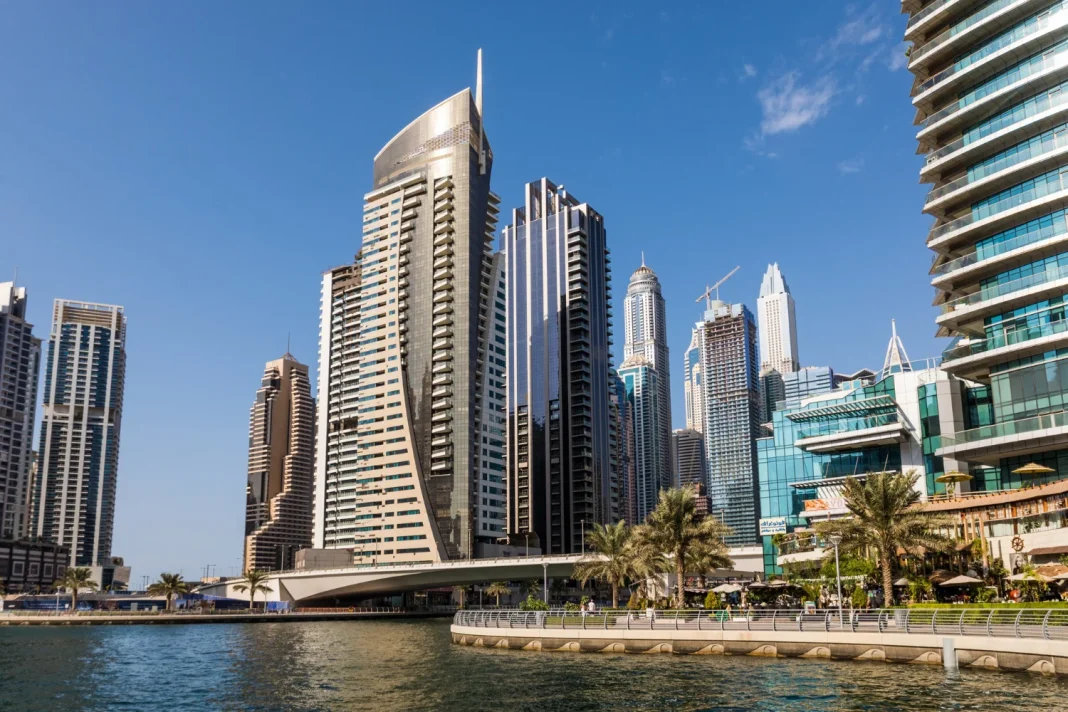
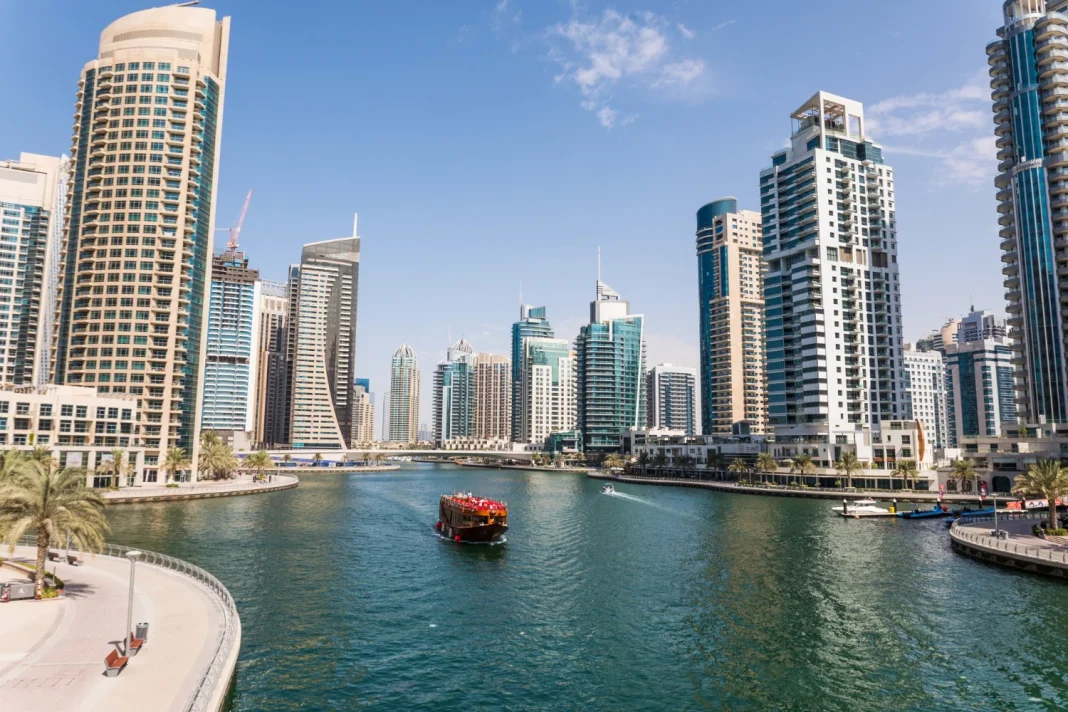
As a direct consequence of this instability in the region, the city’s main hotspots, from the Marina to the iconic artificial palm, show an unusually quiet picture. The drastic decrease in foreign travelers has forced managers of major hospitality chains to implement contingency schemes in the absence of daily international guests.
The Collapse Numbers According to Leading International Consultancies
Data released by strategic analysis firms like Moody’s Analytics confirm the severity of the current hotel slowdown. Reports detail that occupancy in Dubai establishments plummeted from levels above seventy percent at the beginning of the year to a timid thirty-six percent weeks later.
These metrics equate to a severe halt in commercial activity, crushing revenue per available room and forcing extreme rate discounts to retain remaining demand. Local airlines operate under maximum flexibility schemes, trying to mitigate daily losses that specialized media estimate to have a millionaire impact for the Gulf.
Institutional Resistance Strategies Amid the Gulf Crisis
To counteract the impact of the complex scenario in the Middle East, government authorities have reacted swiftly by injecting financial stimulus packages into local operators. The plan seeks to protect employment in the service sector and subsidize the operating costs of infrastructures that have seen their turnover substantially reduced.
At the same time, the commercial strategy in Dubai has been temporarily reoriented toward capturing the domestic market and visitors of geographical proximity in neighboring countries. Marketing campaigns now emphasize the safety of enclosed venues, desperately seeking to keep afloat the reputation of a territory that lives by and for premium hospitality.
| Tourism Indicator (Dubai) | Historic Peak (2025) | Crisis Situation (2026) | Recovery Projection |
|---|---|---|---|
| Annual Visitors | 19.59 Million | Estimated drop of 25-30% | Return to trend in 2027 |
| Average Hotel Occupancy | 80.7% | Temporary collapse to 36.2% | Stabilization expected in the second half of the year |
| International Airport Traffic | Historic in December | Severe reduction in connections | Dependent on the opening of safe routes |
The Hotel Horizon in Dubai: When Will Normalcy Return?
Industry experts agree that Dubai’s tourism ecosystem possesses a regeneration capacity far superior to that of other mature global markets. Trend analyses suggest that the first half of the year will continue to be marked by uncertainty, but a gradual rebound in consumer confidence is expected toward winter.
If the situation in the Middle East stabilizes progressively, current competitive prices and the intact quality of the infrastructure will once again prove irresistible to the most demanding travelers. Maintaining realistic optimism will be the key for the capital of luxury to turn this temporary bump into a lesson in corporate adaptability for the future.