

What if the best real estate deal in Dubai wasn’t in the Burj Khalifa or Dubai Marina, but in an area most investors don’t even consider? That is exactly what 2026 market data reveals: Dubai’s peripheral areas are beating premium zones in real profitability.
While the center grabs headlines and glamour, the numbers tell a different story. A €300,000 apartment in the tech periphery can generate between €25,000 and €28,500 in annual rent—a figure many owners in the center never reach with properties three times more expensive.
Why Dubai is No Longer Won Just in the Center
For years, the logic of investing in Dubai pointed in one direction: buy as central and expensive as possible and wait for appreciation. That strategy worked during the first wave of growth, when the city was still building itself. The 2026 market is different.
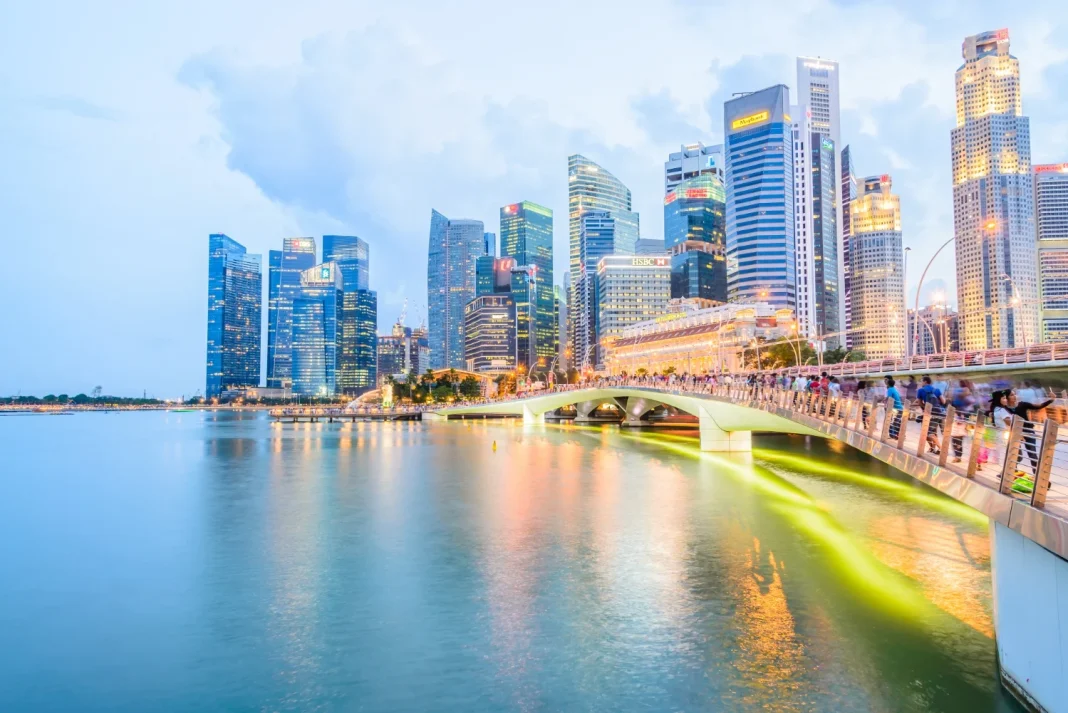
Downtown Dubai, the Burj Khalifa area, records a gross yield of 5.8% in 2026. Impressive on paper, but irrelevant when emerging areas in the same city outperform that number by nearly four percentage points. The gap is not marginal; it is structural.
Dubai Silicon Oasis: The Trap Nobody Sees Coming
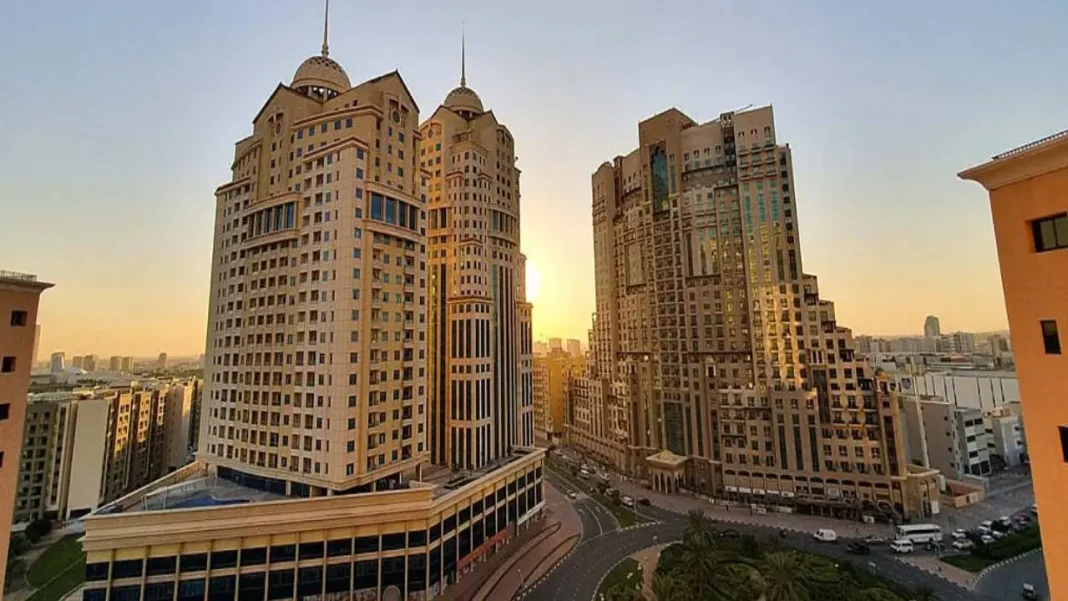
The Dubai real estate market has its best secret just a few kilometers from the center: Silicon Oasis, the technology park launched in 2002 that has matured into a residential community with constant and sustained rental demand. Its tenants are engineers, software developers, and tech professionals with stable contracts and high salaries.
Profitability data confirms it without ambiguity: studios and one-bedroom apartments in Silicon Oasis generate average gross annual yields of 8.3%, with peaks of 9.59% for studios. Buying here for €300,000 with that yield means gross income between €24,900 and €28,770 per year, even before accounting for capital appreciation, which in 2025 saw a 22.7% annual increase in apartment valuations.
Dubai South: The Other Side of the Same Phenomenon
If Silicon Oasis is the tech bet, Dubai South is the logistics bet. This area, built around Al Maktoum International Airport and the Jebel Ali free trade zone, attracts a critical mass of workers from the aviation, transport, and distribution sectors who need quality housing at reasonable prices. The demand does not fluctuate; it is structural.
Entry prices in Dubai South are even lower than in Silicon Oasis, with apartments starting from €220,000 to €320,000, and rental yields ranging between 7% and 8.5% annually. Two different areas, same principle: rental demand sustained by real economic sectors beats the glamour of the center in terms of effective returns.
The Mathematical Error Dubai Investors Make
Many investors arriving in Dubai with enough capital for a million-euro flat in the center make the same mistake: they confuse prestige with performance. A €1,000,000 apartment in Downtown with a 5.8% yield generates €58,000 gross annually. That same million invested in three Silicon Oasis apartments at 8.5% produces €85,000 per year—that is, 46% more income with the same capital.
Diversification also improves risk management: three tenants are more stable than one, and the rental market in Dubai’s tech zones has shown an average occupancy exceeding 92% over the last five years, compared to higher volatility in luxury properties downtown.
| Area | Avg. Apartment Price | Avg. Gross Yield | Annual Income (€300K) |
|---|---|---|---|
| Downtown Dubai | ~€550,000 | 5.8% | ~€17,400 |
| Dubai Marina | ~€400,000 | 6.5% | ~€19,500 |
| Silicon Oasis | ~€280,000 | 8.3% | ~€24,900 |
| International City | ~€180,000 | 9.2% | ~€27,600 |
| Dubai South | ~€270,000 | 7.8% | ~€23,400 |
Dubai in 2026: The Smart Money Map Has Moved
Market data from Dubai in 2026 confirms an irreversible trend: institutional capital and experienced investors have abandoned the “buy in the center” strategy as a unique formula. The areas of Silicon Oasis, Dubai South, and Jumeirah Village Circle are concentrating more and more operations from investors with a financial profile compared to aspirational buyers of central luxury.
The forecast for the next two years in Dubai is a consolidation of this differential: industry experts point out that technological and logistics zones will maintain yields above 7.5% as long as the demand for skilled talent continues to grow in the Emirates. For those seeking real profitability—not a postcard—in Dubai, the answer is no longer in the artificial skyline: it is in the districts where people work, live, and pay their rent on time.