
¿Realmente comprar cerca del Khalifa sigue siendo garantía de rentabilidad, o ese mito ya empieza a mostrar sus grietas? La pregunta incomoda a muchos asesores que llevan años vendiendo el mismo discurso, pero los datos de 2026 obligan a revisarlo con más frialdad que nunca.
Lo que sí es innegable es que Downtown Dubai sigue siendo la zona con mayor liquidez y reconocimiento internacional de todo el emirato. Y eso, en un mercado donde salir de una inversión importa tanto como entrar, vale más de lo que muestran los porcentajes en papel.
El Khalifa como fenómeno: qué convierte una torre en un mercado
Cuando el Khalifa abrió sus puertas en enero de 2010, no inauguró solo un rascacielos: inauguró un efecto de revalorización en cadena que transformó el suelo de sus alrededores en uno de los activos más codiciados del planeta. Los precios de los apartamentos en la zona se multiplicaron por más de tres en la primera década, atrayendo capital de Europa, Asia y América Latina.
Ese fenómeno tiene nombre en el sector: el «Efecto Khalifa», la capacidad de un icono arquitectónico para generar demanda perpetua de alquiler turístico, presencia mediática constante y un suelo psicológico de precio que otros distritos simplemente no tienen. No es magia: es marca.
Khalifa en números: lo que dicen los datos reales de 2026
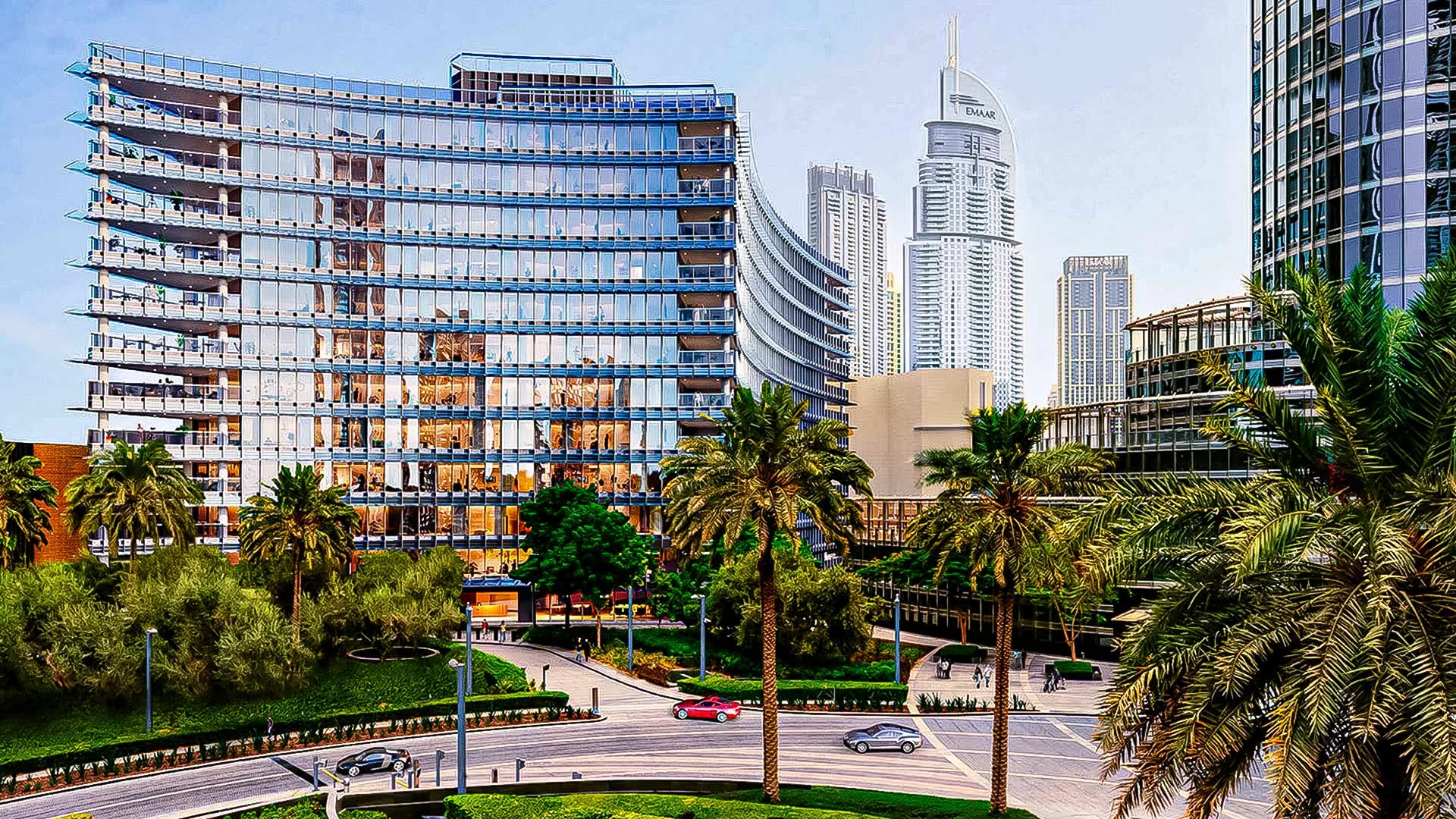
La zona del Khalifa registra en 2026 una rentabilidad bruta de alquiler del 5,8%, por debajo de distritos emergentes como International City (9,2%) o Jumeirah Village Circle (8,9%). Pero el precio medio de un apartamento en Downtown Dubai ronda los 550.000 euros, con un crecimiento de valor del +12% interanual.
Lo que diferencia a Downtown no es el yield bruto: es la combinación de plusvalía sostenida, liquidez alta y demanda de alquiler premium que no depende del ciclo turístico puntual. Para un inversor español que busca proteger patrimonio a largo plazo, eso tiene un peso distinto al de un porcentaje de rentabilidad más alto en una zona sin trayectoria.
¿Dónde renta más en Dubái? El mapa real de 2026
La narrativa de que el Khalifa es imbatible empezó a complicarse cuando zonas como Creek Harbour registraron un crecimiento de precio del +18,3% interanual, superando al propio Downtown. Y distritos como Business Bay, a pocos minutos del Khalifa, ofrecen rendimientos similares con un precio de entrada un 30% inferior.
El mercado de Dubái en 2026 está madurando y diversificándose, lo que significa que ya no hay una única apuesta ganadora. La inteligencia inversora hoy está en entender para qué sirve cada zona: Khalifa para patrimonio y liquidez, JVC para yield, Creek Harbour para apreciación de capital.
El inversor español ante el Khalifa: perfil y errores frecuentes
El perfil tipo del inversor español que llega a Downtown suele buscar tres cosas: una propiedad que no pierda valor, ingresos pasivos por alquiler de corta estancia y un activo que pueda explicar en cualquier conversación de negocios. El Khalifa cumple los tres, pero el error más común es sobrestimar el yield neto sin descontar costes de gestión, que en esta zona rondan el 15-18%.
El segundo error es asumir que toda la zona del Khalifa es homogénea. Un apartamento en la torre residencial del propio edificio puede superar los 10.000 euros por metro cuadrado, mientras que en los edificios adyacentes de Downtown el precio baja sensiblemente con características de alquiler casi idénticas. La selección de activo dentro de la zona importa tanto como la zona misma.
| Zona de Dubái | Rentabilidad bruta 2026 | Crecimiento precio anual | Precio medio entrada |
|---|---|---|---|
| Downtown Dubai (Khalifa) | 5,8% | +12% | 550.000 € |
| Creek Harbour | 6,8% | +18,3% | 380.000 € |
| Business Bay | 7,0% | +12% | 420.000 € |
| Dubai Marina | 7,2% | +10% | 320.000 € |
| Jumeirah Village Circle | 8,9% | +8% | 180.000 € |
Khalifa en 2026 y más allá: ¿qué dice el horizonte?
El Khalifa no va a dejar de ser el Khalifa: eso es una certeza que pocos activos del mundo pueden ofrecer. Con la llegada del Dubai Creek Tower, que promete superar en altura al propio Burj cuando se complete, el debate sobre qué icono liderará la demanda futura ya está abierto, pero los analistas coinciden en que Downtown seguirá siendo el epicentro patrimonial del mercado de Dubái durante la próxima década.
Para el inversor con horizonte de cinco a diez años, la recomendación del sector es clara: el Khalifa y su entorno son un activo de reserva de valor, no un vehículo de rentabilidad máxima. Si buscas yield alto, diversifica hacia otras zonas; si buscas un activo que nunca pierda demanda ni liquidez internacional, Downtown sigue siendo, en 2026, una de las apuestas más sólidas del planeta.