

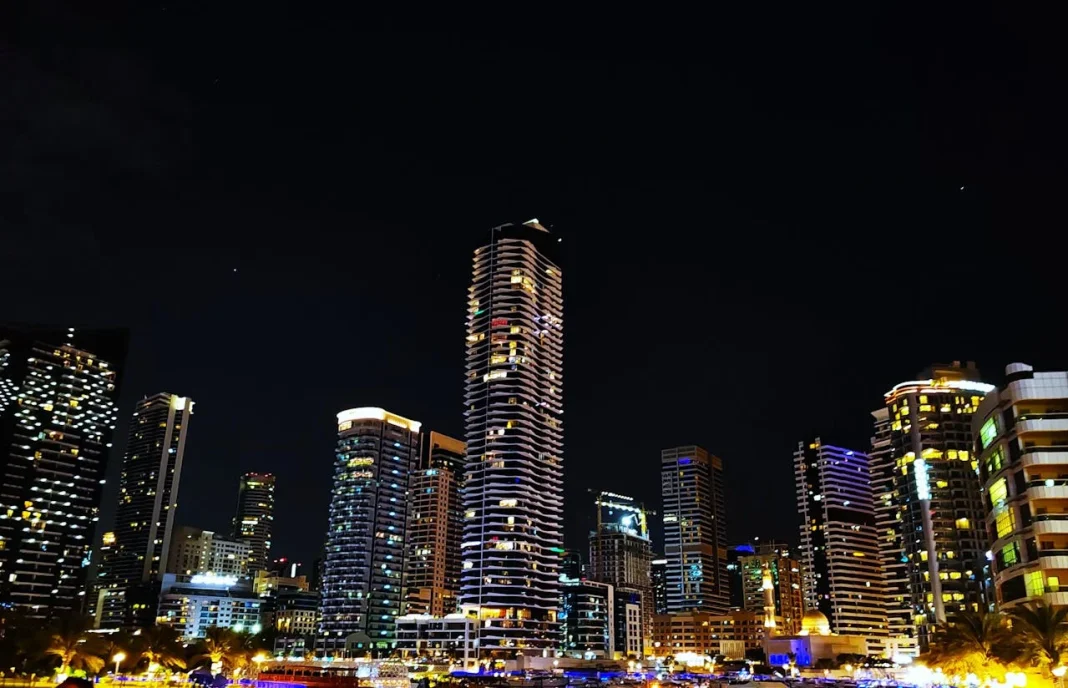
What if the true financial center of the 21st century were neither Wall Street nor the City of London? Dubai has been sending signals for months that can no longer be ignored: on January 26, 2026, Sheikh Mohammed bin Rashid Al Maktoum officially inaugurated the largest expansion of the emirate’s financial district in its entire history.
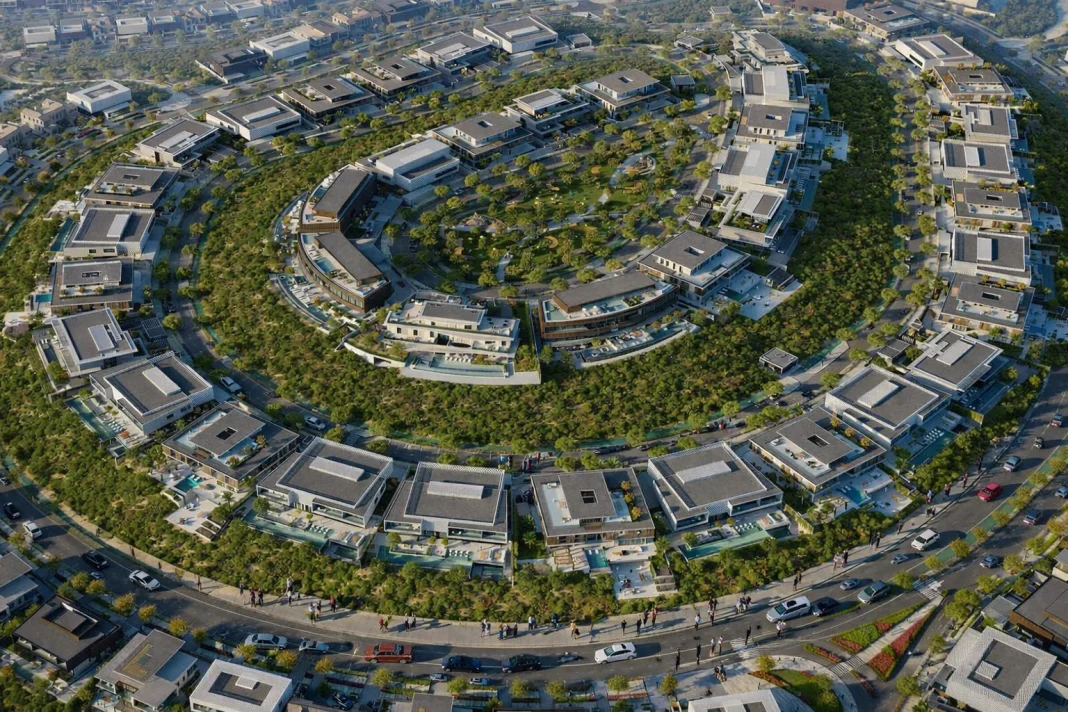
The project has a name, figures, and concrete deadlines. The DIFC Zabeel District will mobilize more than 100 billion dirhams — approximately $27 billion — to nearly triple the size of the current complex by 2040. This is not a future promise: the excavators are already running.
Dubai Launches the Largest Financial Expansion Plan in Its History
The DIFC Zabeel District will add 17.7 million square feet to the current 110-hectare complex, developing in six successive phases with the first opening scheduled for 2030. The complete master plan will be finished by 2040, turning Dubai into the financial center with the largest operational footprint in the entire MEASA region — Middle East, Africa, and South Asia.
The demand driving this expansion is not speculative: the DIFC already houses 8,844 active companies and employs more than 50,000 professionals, with 28% growth in new registrations in 2025 alone. Available physical space has reached its saturation point, and top-tier corporations continue to knock at the door.
Why Dubai Has Become the Magnet for Global Hedge Funds
The reasons why Dubai keeps attracting asset managers from London and New York come down to something very concrete: zero taxation. The DIFC operates as an independent jurisdiction within the emirate, with zero tax on income and profits, 100% foreign ownership, and free capital repatriation with no restrictions.
The result is hard to ignore: in 2025, Dubai recorded 102 active hedge funds in the DIFC and more than 1,677 FinTech and artificial intelligence companies, a 35% increase over the previous year. Asset management giants that operated exclusively from Europe and the United States are relocating entire teams to the emirate, attracted by a regulatory framework based on English law with tax advantages no Western country can match.
The DIFC in Numbers: From Regional Center to Global FinTech Capital
On March 26, 2026, Dubai reached 7th place in the Global Financial Centres Index, its best ranking in history, also entering the global Top 5 in the specific categories of FinTech, Governance, and Regulation. Just six months earlier it held 11th place, revealing an unprecedented upward trajectory among traditional financial centers.
The DIFC startup ecosystem has collectively raised more than $4.5 billion in regional funding, while more than 500 wealth management firms and 1,289 family offices already operate from its facilities. Dubai has gone from being an exotic alternative to becoming the first choice for those looking to scale in high-performance markets.
Crypto Assets and FinTech: The Regulation Changing the Rules of the Game
In April 2026, the Dubai Financial Services Authority — the DIFC’s regulator — activated a new framework for crypto asset companies that eliminates gross asset value thresholds for funds investing in tokens. The measure represents a radical shift: fund managers can now operate with crypto without the previous quantitative limits, as long as they apply suitability assessments to selected assets.
This regulatory move arrives at the exact moment when Dubai needs solid arguments to convince major crypto firms from London and New York that the DIFC is safer, more flexible, and more profitable than any other jurisdiction. The bet is not only fiscal: it is about building a predictable legal environment that allows operating with digital assets at an institutional scale.
| Indicator | 2025–2026 Data | Comparison |
|---|---|---|
| New companies registered at DIFC (2025) | 1,924 (+28%) | All-time absolute record |
| Active FinTech and AI companies | 1,677 (+35%) | Global Top 5 in FinTech |
| Registered hedge funds | 102 | Record growth due to global boom |
| Funding raised by startups | +$4.5B | Largest regional ecosystem |
| GFCI ranking (March 2026) | 7th worldwide | Best historical ranking |
Dubai Toward 2040: The Financial Future Being Built Today
With projected capacity to absorb up to 42,000 companies and employ 125,000 people once the DIFC Zabeel District is complete, Dubai is not competing for a spot in the global financial league: it is designing the rules for the next season. The combination of world-class infrastructure, smart regulation, and zero taxation creates a differentiator that is difficult to replicate in the short term.
For the investor or financial professional evaluating where to position their next operation, Dubai‘s message in 2026 is unequivocal: the DIFC is no longer a risky bet, but the option with the greatest institutional backing, best-documented growth, and the best regulatory framework for both traditional and digital assets. Those who wait for the market to fully mature may find that entry prices are no longer so generous.