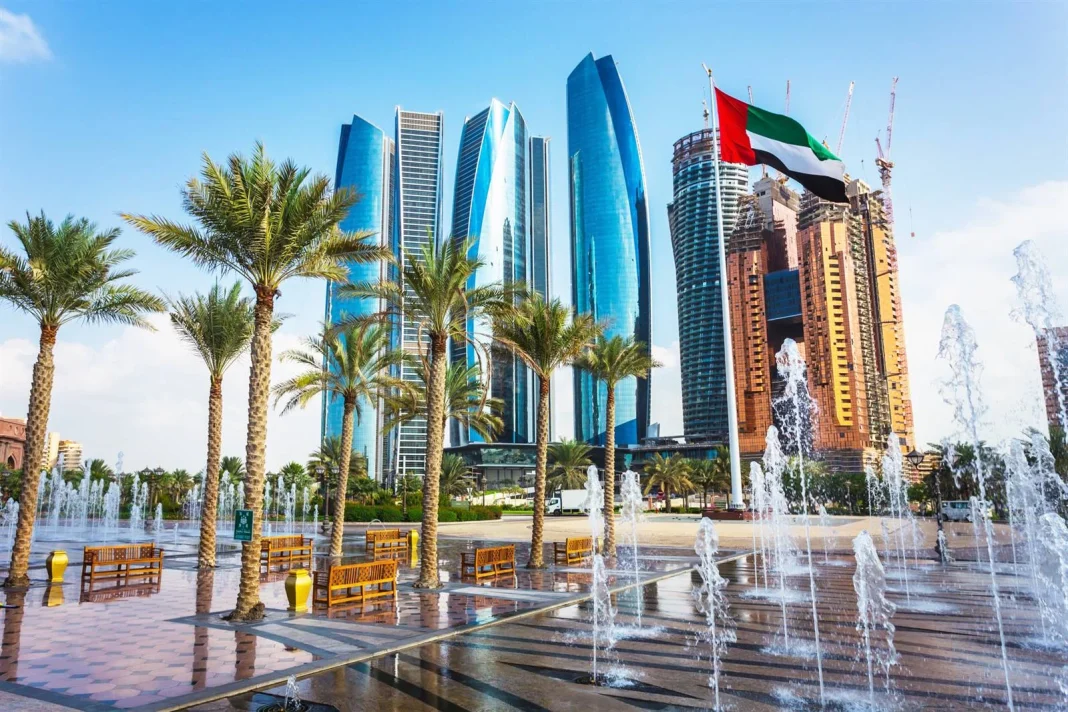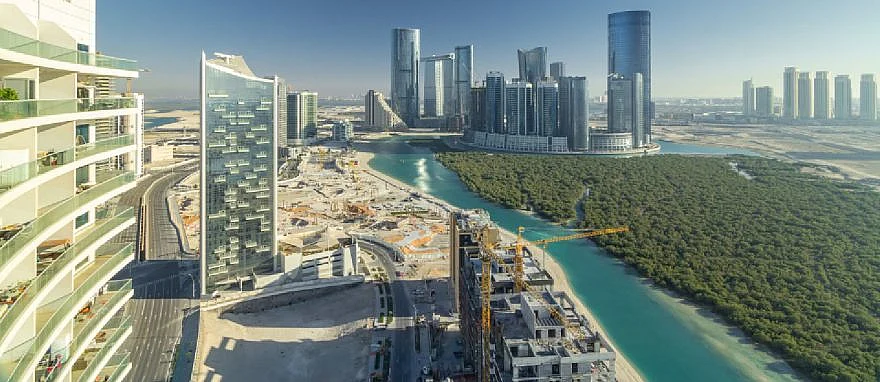


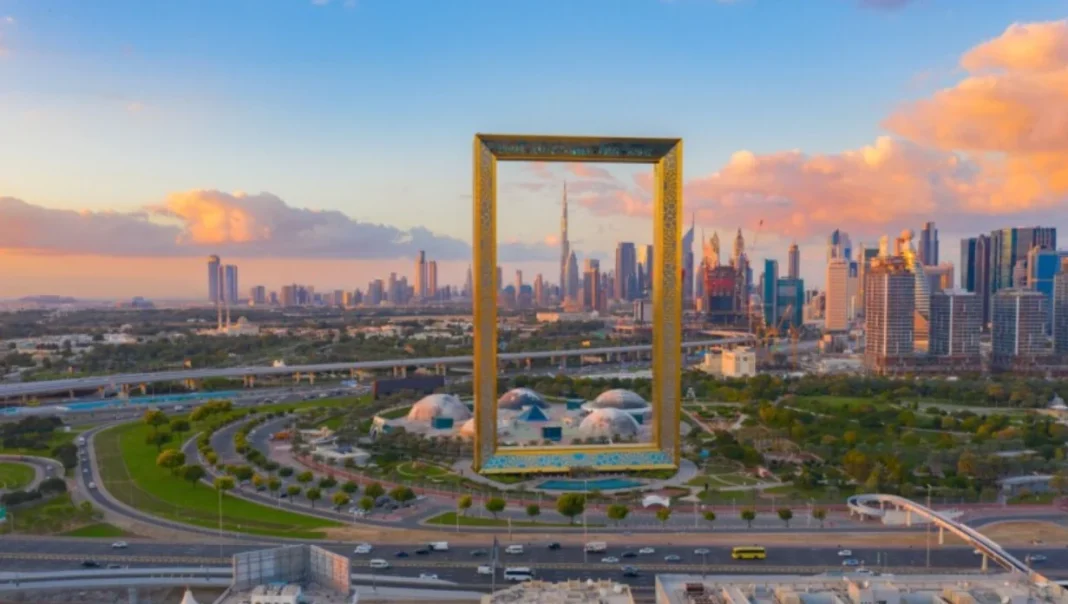
Can Dubai continue selling itself as the safest place in the world after Saturday, February 28? That is the question millions of investors, tourists, and foreign residents who built their lives or their money on the emirate’s promise of stability are asking today. The answer, still under construction, will define the future of one of the most ambitious economies on the planet.
The Iranian missile and drone attack struck targets no one expected: Dubai International Airport, the Fairmont Hotel on Palm Jumeirah, Jebel Ali Port, and Abu Dhabi Airport, where at least one person was killed. This was not a distant conflict. It was war literally landing in the city.
Dubai Under Fire: What Happened in Just a Few Hours
Late Saturday, Iranian missiles and drones crossed UAE airspace in retaliation for US and Israeli strikes against Iranian military facilities. Emirati defenses managed to intercept most of the projectiles, but fragments and some direct hits caused significant material damage in high-profile civilian areas.
On Palm Jumeirah, residents described explosions that shattered windows in their apartments. Four Dubai International Airport employees were injured, and one terminal suffered minor damage. At Jebel Ali, black smoke columns rose for hours above one of the Middle East’s most strategic ports.
The Economic Blow Dubai Had in No Scenario
Jebel Ali Port generates around 60% of Dubai’s revenue and is capable of hosting US aircraft carriers. DP World suspended operations for several hours. That pause, though brief, sent an alarm signal to international markets that depend on this infrastructure for their supply chains.
The real estate sector, which had closed January 2026 with a historic record of 761 billion dirhams in transactions, began showing signs of volatility. The missiles did not destroy buildings; they threatened to destroy the confidence that makes them worth what they are worth.
The Authorities’ Response: Speed and Narrative Control
The UAE government immediately ordered the expulsion of the Iranian ambassador and issued a statement describing the attacks as “aggressions against civilian areas.” The tone was firm but calculated: neither hysteria nor silence. A very deliberate balance aimed at containing panic among the nearly nine million foreign residents.
Dubai airport authorities activated emergency protocols with a speed that security analysts described as exemplary. In less than two hours, the situation at the affected terminal was contained. The official narrative insisted on one message: the systems worked.
What Is at Stake for Investors in Dubai?
Dubai’s model has always rested on an intangible asset: the perception of security. That asset cannot be rebuilt with a press release. It is rebuilt with weeks of operational normalcy, resumed flights, reopened hotels, and a port running at full capacity. The clock started on Sunday.
Analysts agree that the greatest risk is not structural but psychological. Dubai survived the 2008 financial crisis and the pandemic. In both cases, recovery was faster than the market anticipated. That capacity to absorb the blow is what is now being examined with greater intensity than ever.
| Affected Asset | Immediate Impact | Status as of March 2 |
|---|---|---|
| Dubai International Airport | 4 injured, minor terminal damage | Operational with reinforced security |
| Jebel Ali Port | Fire, temporary DP World suspension | Resuming operations |
| Fairmont Hotel (Palm Jumeirah) | Fire, 4 injured in parking area | Perimeter closed |
| Abu Dhabi Airport | 1 dead, 7 injured | Operational with partial closure |
| Real estate market | Signs of volatility, frozen transactions | Under observation |
Dubai and Abu Dhabi: The Roadmap to Restoring Normalcy
Emirati authorities have announced a reinforced investment in aerial cyberdefense and rapid response protocols. The stated goal is to demonstrate that no external attack can sustainably disrupt the functioning of their critical infrastructure. The tacit deadline for that message is between two and four weeks.
For investors who already hold positions in Dubai, experts recommend against making hasty divestment decisions. The emirate’s history is built on absorbed crises and recoveries that surprised the market. For those watching from the outside, this moment may be exactly the entry window that fear cycles tend to generate before an upward correction.