

Can a real estate market with no income or capital gains taxes truly remain attractive in the long term, or are we looking at a luxury bubble about to burst? Palm Jumeirah has been defying that question for two decades with figures that refuse to collapse, and 2025 has once again proven why.
The data is undeniable: Dubai’s real estate market grew by 15.8% on an annual basis during 2025, with Palm Jumeirah recording 948 luxury property transactions above 15 million dirhams in 2024 alone. That is not luck: it is tax architecture.
Palm Jumeirah: the island that major capital refuses to let go of
The world’s most iconic artificial island remains the benchmark asset for ultra-luxury investors. In Palm Jumeirah, the estimated average price for 2026 reaches 12,200 euros per square meter, with gross rental yields between 3.5% and 4%, figures that would be unattainable in European markets with a comparable tax burden.
What sets Palm Jumeirah apart from the rest is not just its architecture: it is the mature ecosystem that surrounds it. The Atlantis The Royal hotel, Nakheel Mall, and its own monorail generate constant tourist flows with robust occupancy rates throughout the year, turning every villa into an asset with guaranteed demand.
Why Palm Jumeirah remains a haven for European capital
The total absence of income, capital gains, and property taxes is the centerpiece of the equation. Investors who bet on Palm Jumeirah retain 100% of their rental income, something that is simply impossible in Spain, France, or the United Kingdom. Downtown Dubai, the neighborhood that home to the Burj Khalifa and the world’s largest shopping mall, operates under the same tax regime and offers yields between 4% and 4.5%.
The Golden Visa program for investments starting at 2 million dirhams has added another major incentive: stable legal residency, international mobility, and access to a world-class healthcare and education system. For Spanish and Italian capital, this combination has proven especially irresistible over the last two years.
Downtown Dubai: luxury that also delivers performance
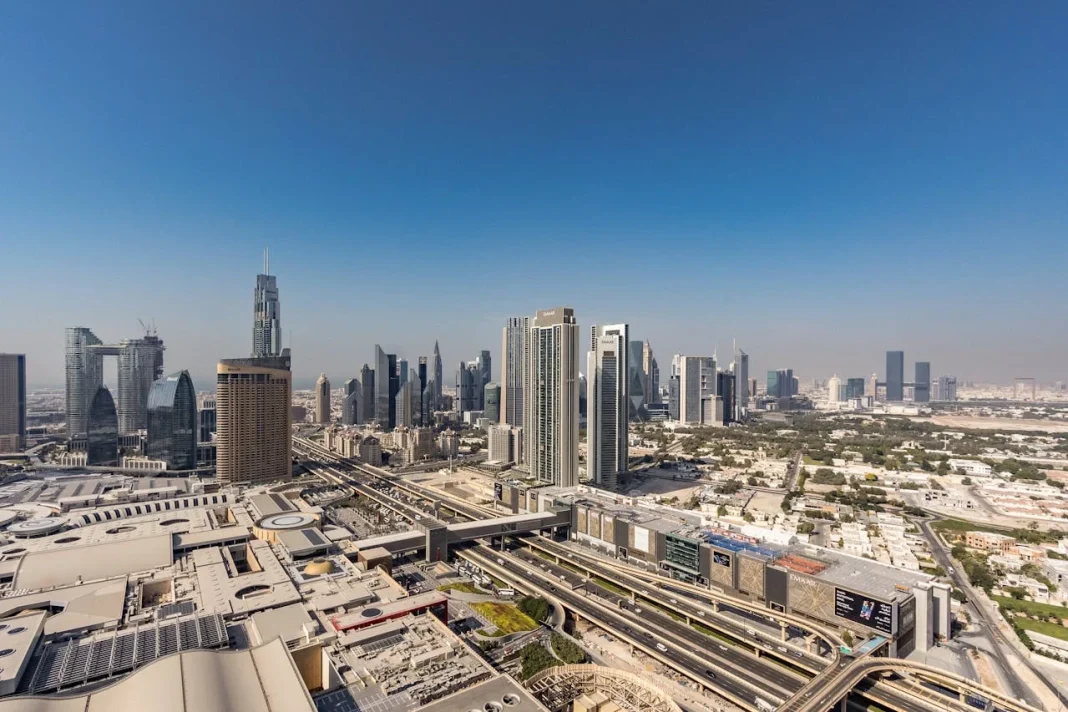
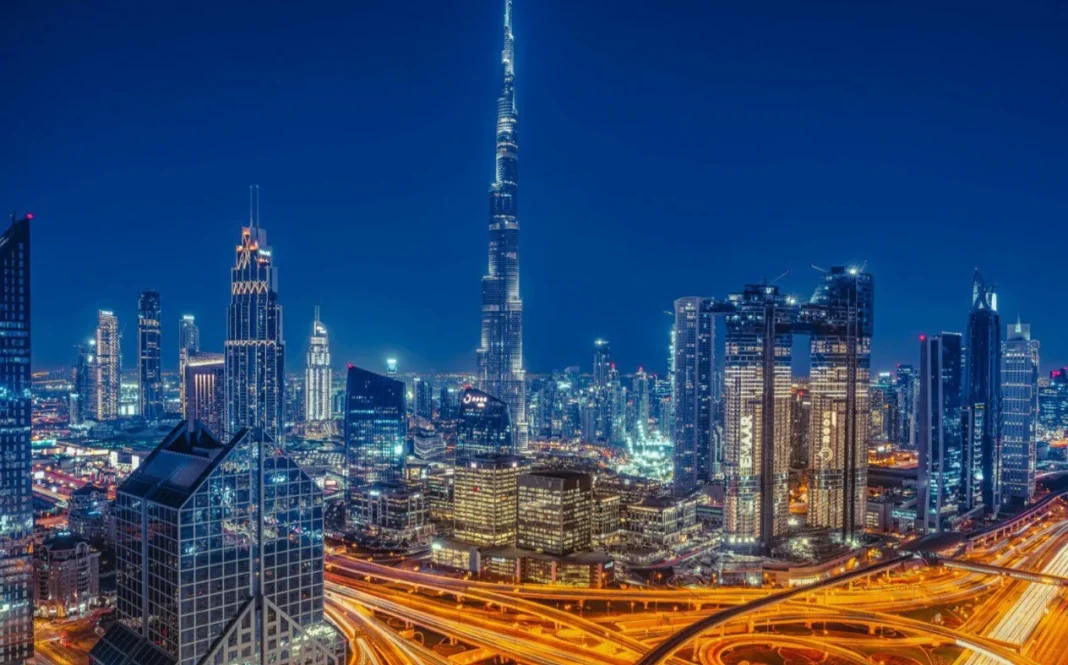
Downtown Dubai is not just a postcard skyline. It is a real estate market with an estimated average price of 8,800 euros per square meter in 2026, slightly below the 2025 peak, but with premium demand sustained by a shortage of quality product. Penthouses facing the Burj Khalifa were selling within hours during 2024 and early 2025.
The off-plan market has been particularly active in Downtown Dubai, with projects selling out before receiving approved construction plans. The regulatory transparency of the Dubai Land Department and the possibility of registering transactions on blockchain have reduced perceived risks, attracting institutional investors who previously preferred London or Singapore.
The incentives changing the game in 2025
Tax reforms implemented by the UAE government during 2025 pushed Dubai property sales to 63.6 billion dirhams in July 2025 alone. The personal income tax-free environment, combined with a stable currency and a transparent legal framework, has reshaped the global map of luxury property investment.
Palm Jumeirah directly benefits from these policies: international capital, especially from India, Russia, the United Kingdom, and European countries like Spain, continues to choose this island as their top investment choice in the segment above 5 million euros. The scarcity of prime product in consolidated areas acts as a price floor.
| Area | Average Price €/m² (2026 est.) | Gross Rental Yield | Investor Profile |
|---|---|---|---|
| Palm Jumeirah | 12,200 € | 3.5 – 4.0% | Ultra-luxury, long-term |
| Downtown Dubai | 8,800 € | 4.0 – 4.5% | Premium, mixed |
| Dubai Marina | 7,300 € | 4.5 – 5.0% | Income, short-term |
| Dubai Hills Estate | 6,500 € | 5.0 – 5.5% | Families, medium-term |
Palm Jumeirah and Downtown Dubai in 2026: what to expect from the market
The moderation that analysts anticipated for 2026 is arriving in a controlled manner, not as a sharp correction. Experts point to a price stabilization in Downtown Dubai, while Palm Jumeirah maintains an upward trajectory sustained by the structural scarcity of villas with direct access to a private beach, available in only 40% of its properties.
For investors evaluating their entry, industry consensus points to 2026 as the last year in which pre-sale prices in Dubai’s prime areas offer a significant differential compared to the secondary market. Entering Palm Jumeirah or Downtown Dubai now, backed by the tax advantages the emirate offers, remains one of the few luxury bets with solid fundamentals on the global real estate stage.