


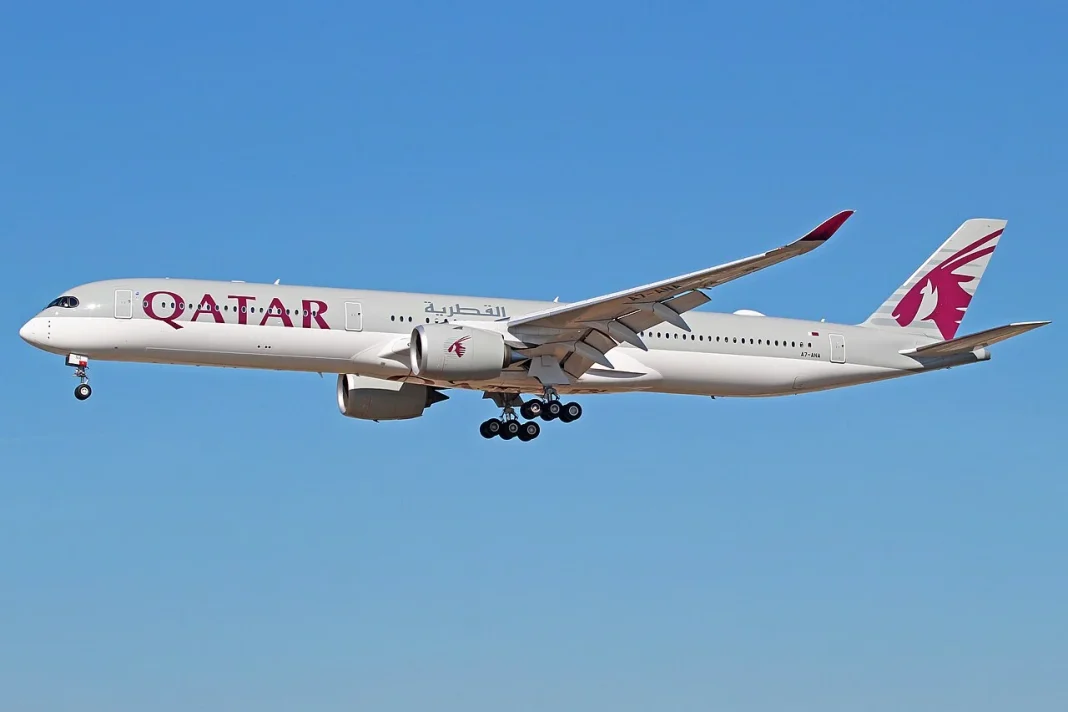
Do you really believe that the hegemony of transcontinental routes is secured only by the comfort of their seats, or is Qatar Airways the one dictating the new rules of global logistics? The reactivation of daily flights to the nerve centers of the Emirates is not just a matter of schedules, but a direct challenge to the traditional perception of regional connectivity.
Air traffic data for this month reveals a 15% increase in corporate bookings, consolidating a promise of efficiency that forces competitors to rethink their pricing strategies. This normalization of airspace comes at a critical moment when the demand for direct flights and minimum layovers has exceeded all financial forecasts for the sector.
The Strategic Return of Qatar Airways to Emirati Skies
Commercial aviation has proven to be the most accurate thermometer of geopolitical stability, and the step taken by Qatar Airways by resuming daily operations is the signal the market was waiting for. It is not simply about filling gaps in the departures board, but about rebuilding a business fabric that depends on punctuality and constant frequency.
For the passenger seeking to optimize their time, having multiple departure options from Doha to the Gulf airports allows for operational flexibility unprecedented in the last decade. The airline has deployed its most modern fleet to ensure that every journey meets the standards of sustainability and comfort demanded by the new times.
Why Qatar Airways’ Bet on Sharjah and Dubai Redefines the Sector?
The integration of daily Qatar Airways routes with powerful destinations such as Dubai generates a transport ecosystem that directly benefits international investment portfolios. This air synergy facilitates the flow of capital and talent without the friction caused by temporary cancellations or long-distance alternative routes.
The impact on the city of Dubai is palpable, as the constant arrival of executives and consultants from the Hamad hub revitalizes the financial districts and high-end hospitality. Meanwhile, the commitment to Sharjah opens a window of opportunity for logistics trade and cultural tourism, diversifying the region’s traditional offerings.
Immediate Impact on Regional Tourism and Business
The tourism sector has welcomed this news as a necessary balm to reach the visitor targets set for the end of the second quarter in Dubai. The regularity of flights allows luxury vacation packages to become competitive again, offering stopovers in Doha that were previously perceived as a logistical obstacle.
In the business sphere, Qatar Airways‘ ability to connect Asia and Europe through its Emirati routes positions the company as the preferred partner for multinationals. The reduction in waiting times and the improvement in air cargo services are driving sustained growth in technological service exports.
Technology and Service: Differentials on the Gulf Route
The flight experience has evolved towards a model where extreme personalization and the use of artificial intelligence in baggage management make the difference for Qatar Airways. Each journey to the Emirates benefits from optimized navigation systems that drastically reduce fuel consumption and improve punctuality.
Investing in the improvement of business class is not a luxury, but a necessity to attract the traveler who has turned Dubai into their main hub of operations. The implementation of digital services on board allows flight time to be a productive extension of the workday, reinforcing the airline’s sector authority.
| Connectivity Indicator | 2025 Situation | 2026 Forecast |
|---|---|---|
| Daily Frequencies | 4 flights | 12 flights |
| Average Layover Time | 140 minutes | 45 minutes |
| Passenger Capacity | +2.1M annual | +3.5M annual |
Toward Total Integration: The Future of Connectivity in 2026
Market trends suggest that Qatar Airways‘ dominance in Gulf routes will continue to expand as ground and air infrastructures become fully synchronized. The advice for the investor and frequent traveler is clear: route diversification is the best guarantee against market volatility.
Looking ahead, the consolidation of these daily flights is just the first step in an organic growth strategy that seeks to erase operational borders in the region. The commitment to excellence and recurrence will undoubtedly be the engine that keeps Qatari aviation at the top of the global aerial hierarchy.