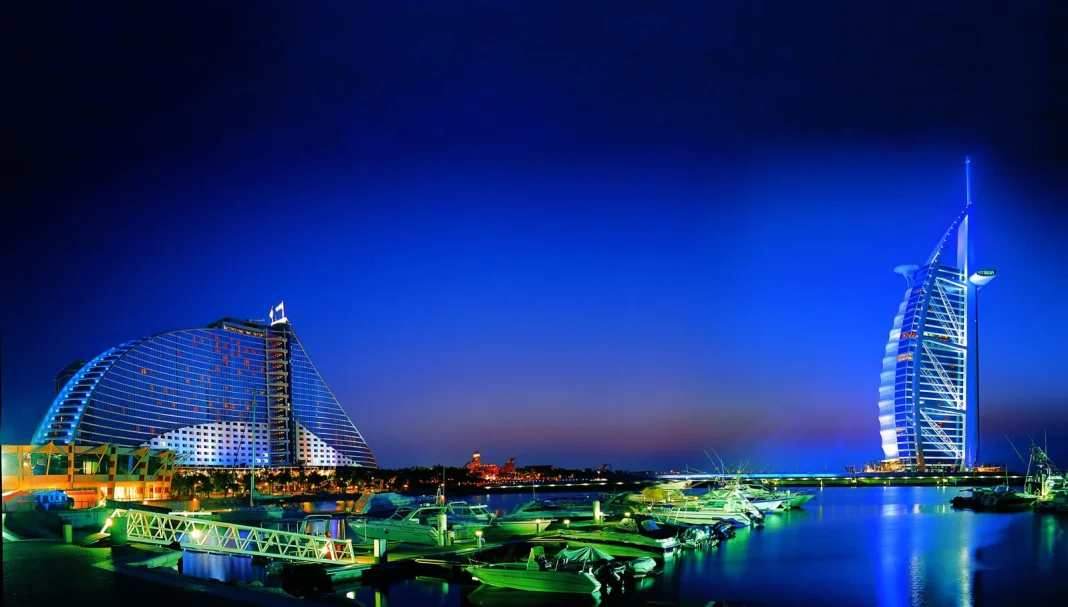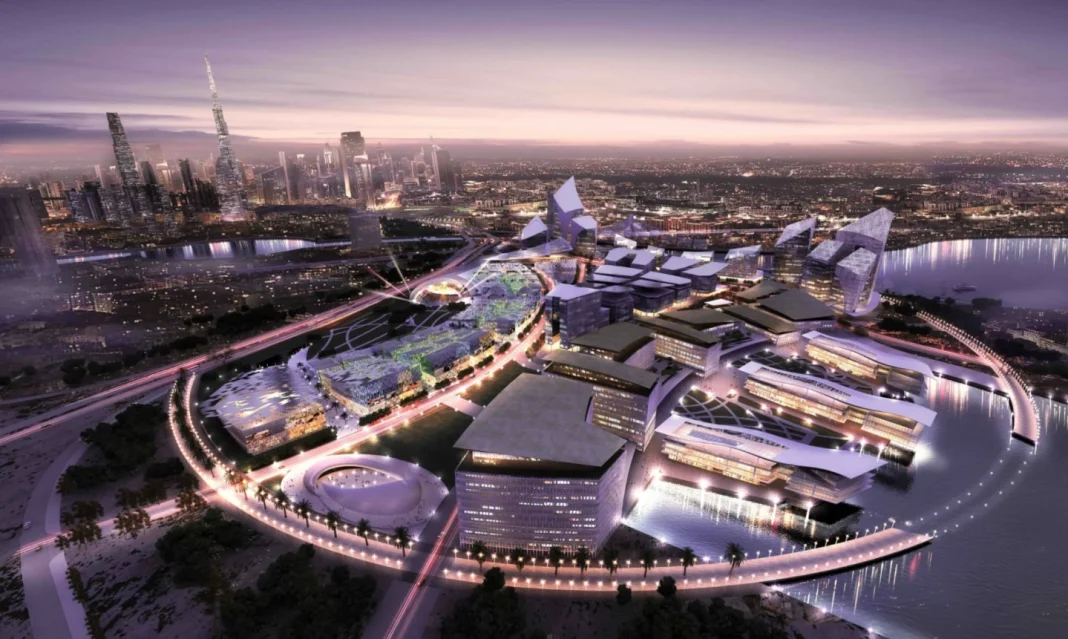


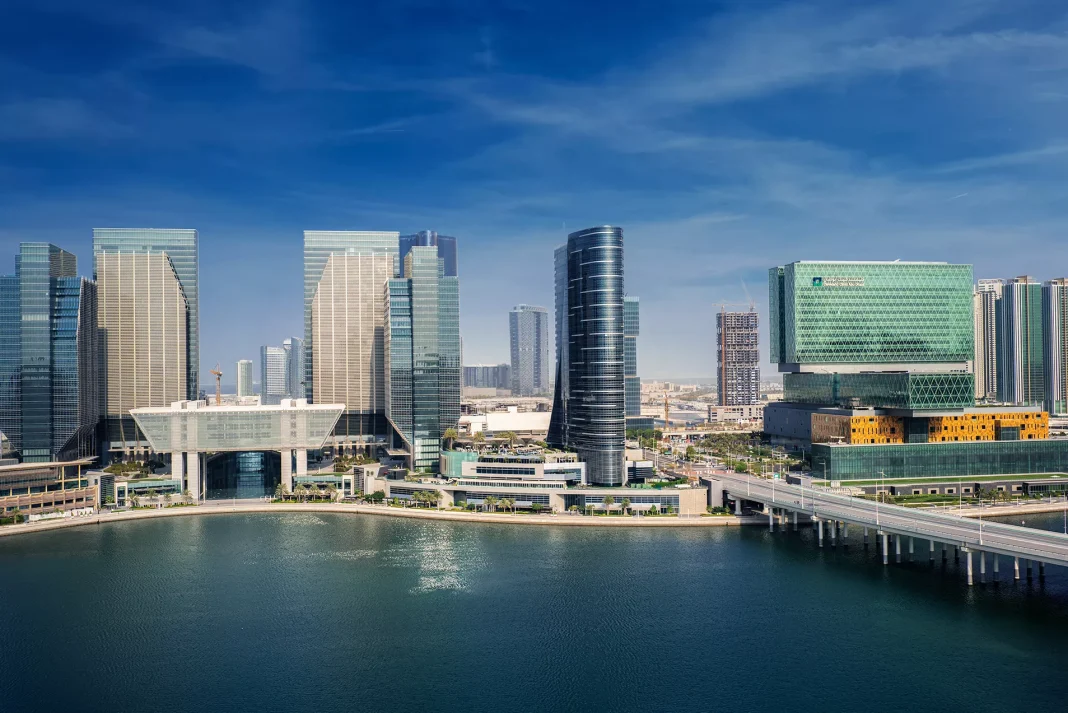
Who said the Emirates are just Dubai? There’s a city 140 kilometers away that has been quietly building something no other destination in the world has: the highest concentration of world-class museums per square kilometer. Abu Dhabi has just entered a phase of cultural maturity that completely changes the narrative of tourism in the region.
The figure that sums it all up: Abu Dhabi‘s cultural spaces welcomed five million visitors in 2025, up 40% from the previous year. This is not a trend. It’s an acceleration. And the biggest catalyst hasn’t even opened its doors yet.
Abu Dhabi Breaks Its Own Record While Dubai Manages the Storm
The regional conflict that erupted in late February 2026 caused Dubai’s hotel bookings to plummet within days. Abu Dhabi, on the other hand, maintained its momentum: the emirate’s hotel occupancy closed the first quarter of 2025 at 82%, with 4% growth in international visitors. The two emirates share a border, but they don’t share the same moment.
The reason for that resilience has a name: cultural diversification. While Dubai built its brand on luxury and events, Abu Dhabi bet on museums, art festivals, and knowledge infrastructure. That bet, ridiculed by some for years, now turns out to be a real competitive advantage in the face of geopolitical crises.
The Saadiyat District and Abu Dhabi: The Project That Changed the Rules
At the heart of this boom is a 2,700-hectare island 500 meters from the center of Abu Dhabi. Saadiyat is not just a cultural district: it is the Arab world’s most ambitious bid to become a global reference for art and knowledge. The Louvre Abu Dhabi opened there in 2017 and is already one of the most visited museums on the planet; the Zayed National Museum inaugurated in December 2025 with a collection of more than 3,000 pieces.
What no one expected was the speed of the ripple effect. According to Expedia data, hotel searches in the Saadiyat area — the St. Regis, the Park Hyatt, the Saadiyat Rotana — spiked in parallel with each new opening. Cultural tourists arrive, stay for several days, and spend more than sun-and-beach tourists. Abu Dhabi discovered that formula before anyone else in the region.
The Guggenheim: The Missing Piece on the Board
Designed by the late Frank Gehry — the same architect behind the Guggenheim Bilbao — the Guggenheim Abu Dhabi will be the largest museum of the Solomon R. Guggenheim Foundation in the world. With 42,000 square meters spread across nine metallic cones surrounding a central courtyard, its official opening is set for 2026, confirmed by the Diplomatic Adviser to the UAE Presidency in February of this year.
The collection will blend major Western names — Warhol, Basquiat, Pollock, Rothko — with contemporary artists from Africa, Asia, and the Arab world. It is, in essence, the cultural narrative that Abu Dhabi has been building for fifteen years: a bridge between civilizations turned into a top-tier tourist destination. When it opens, Saadiyat will have within a two-kilometer radius what Paris took centuries to accumulate.
Numbers That Back Abu Dhabi’s Bet
The Abu Dhabi strategy is not just cultural. It is a precisely calculated economic model, with targets that already have dates and figures that international investors are watching closely.
Tourism already contributes 49 billion dirhams to the emirate’s non-oil GDP. The target for 2030 nearly triples that figure. Abu Dhabi has the assets, the timeline, and the political will to get there. And Saadiyat is the engine making it possible.
| Indicator | Current Data (2025) | 2030 Target |
|---|---|---|
| Visitors to cultural spaces | 5 million (+40% year-on-year) | No defined ceiling |
| Tourism in non-oil GDP | 49 billion dirhams | 90 billion dirhams |
| Total annual visitors | ~24 million | 39.3 million |
| Hotel occupancy (Q1 2025) | 82% | Sustained growth |
| Jobs in creative industry | Expanding | +55,000 new positions |
What’s Next: Abu Dhabi as an Inevitable Destination for Spanish Travelers
The scenario unfolding over the coming months is clear: when the Guggenheim Abu Dhabi opens its doors and the Saadiyat District reaches full maturity, flight prices, hotels, and tourist apartments will have risen. The BBC already included Abu Dhabi among the best destinations in the world for 2026, precisely because of this simultaneous opening of globally scaled museums.
For Spanish travelers, the moment is now. Abu Dhabi offers today what Dubai offered ten years ago: a destination in full bloom, with luxury infrastructure, still competitive prices, and a cultural agenda that justifies the flight on its own. The question is not whether it’s worth going. It’s how much the ticket will cost in two years when Saadiyat is already a consolidated world reference.