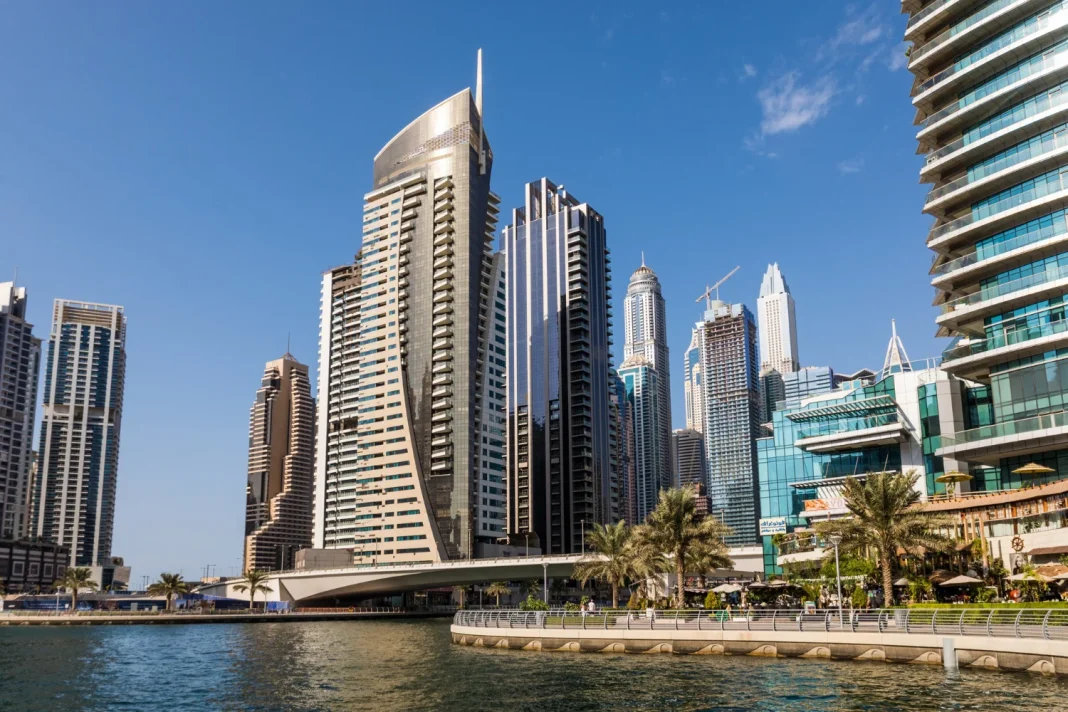


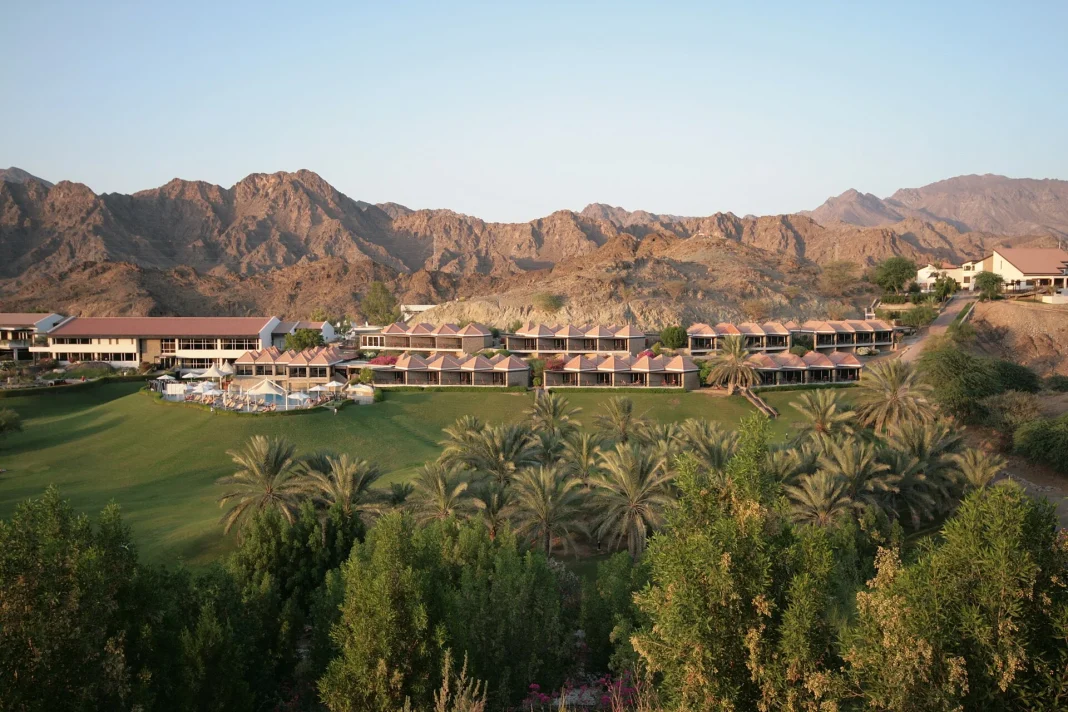
How much time do you really need to see the best of the Emirates? The answer Dubai gives to that question surprises even veteran travelers: sometimes, a single morning is enough. Hatta, the mountain enclave that the emirate hides 100 kilometers from its glass skyline, proves it every sunrise.
For about 40 euros per person, the morning safari in this territory of wadis and limestone packs into six hours what in Oman would require separate itineraries: swimming in the wadi mountain pools, a sunrise camel ride, and a Bedouin breakfast around the fire. It is not a marketing trick; it is geography and logistics well utilized.
Dubai’s best-kept secret is in its mountains
When most tourists visiting Dubai think of adventure, they imagine red sand dunes and evening safaris. Very few know that the emirate also has mountains, wadis with crystal clear water, and a historic enclave that has been inhabited for over three thousand years. Hatta is that secret that Dubai residents guard with a certain local pride.
The landscape changes radically as the vehicle pulls away from the Sheikh Zayed Road: palm trees give way to the Hajar Mountains, ochre-colored stone dominates the horizon, and the thermometer drops several degrees. In less than 90 minutes, Dubai already seems to belong to another world.
What exactly the 40-euro Dubai to Hatta excursion includes
The basic package offered by operators authorized by the Dubai Department of Tourism covers hotel transfer, sunrise camel ride, Bedouin breakfast with oven-baked bread, dates, and cardamom tea, and free access to the Wadi Hatta pools. All of this within a six-hour window that allows you to be back in the city before noon.
What sets it apart from other destinations is the density of experiences per kilometer traveled. A traveler wishing to combine natural pools, Bedouin culture, and mountain trekking in Oman would need to move between Nizwa, Wadi Shab, and the Western Al Hajar Mountains in separate trips that easily add up to three days of travel.
Pools, camel, and breakfast: the rhythm of the morning safari
The excursion starts before dawn from Dubai, while the city still sleeps under its neon lights. The first stop is always the Bedouin camp: canvas tents, glowing embers, and the ritual of Arabic coffee that marks the start of the day in Emirati culture. The camel ride, lasting about twenty minutes, covers a stretch of sandy track during the first light of day.
The highlight arrives at midday, when the group accesses the wadi’s natural pools. The water, filtered by the limestone of the Hajar Mountains, maintains a cool temperature even in the warmest months. The more daring jump from the rocks; the more contemplative simply float in silence with the sound of the wind between the canyon walls.
Why this excursion is worth more than its cost
Operators that include transfers, activities, and breakfast for less than 50 euros can do so because the route is highly optimized and the volume of tourists leaving Dubai for Hatta each week keeps costs low. It is not luxury tourism, but neither is it mass tourism: groups do not exceed twelve participants in quality circuits.
The true value is not in the price but in the time conversion: six hours that produce more photographs, more emotions, and more kilometers of different landscape than any afternoon of shopping at Dubai Mall. For the traveler who only has four or five days in the Emirates, Hatta can be the excursion that rebalances the entire trip.
| Destination / Experience | Days Required | Estimated Cost |
|---|---|---|
| Wadi Shab (Oman) | 1 full day | €60–90 with transfer |
| Western Hajar Mountains (Oman) | 2 days minimum | €150–200 with accommodation |
| Nizwa and Bedouin culture (Oman) | 1 full day | €70–100 with guide |
| Morning Safari in Hatta (Dubai) | Half day | €35–50 all included |
| Total comparable experience in Oman | 3–4 days | €280–390 total |
Dubai bets on Hatta as a sustainable tourism destination for 2026
The Government of Dubai has been investing in Hatta’s tourism infrastructure for several years as part of its economic diversification plan. The Hatta Master Plan includes new hiking trails, expansion of the Wadi Hub, and improvements in access to facilitate day trips from the city. Everything points to Hatta being one of the emerging destinations in the Emirates over the next two years.
For the traveler planning a trip to Dubai in 2026 or 2027, the advice is clear: book the morning safari to Hatta as soon as possible, preferably between November and March, when wadi temperatures fluctuate between 18 and 25 degrees. Demand grows year by year and spots with the best operators sell out weeks in advance.