

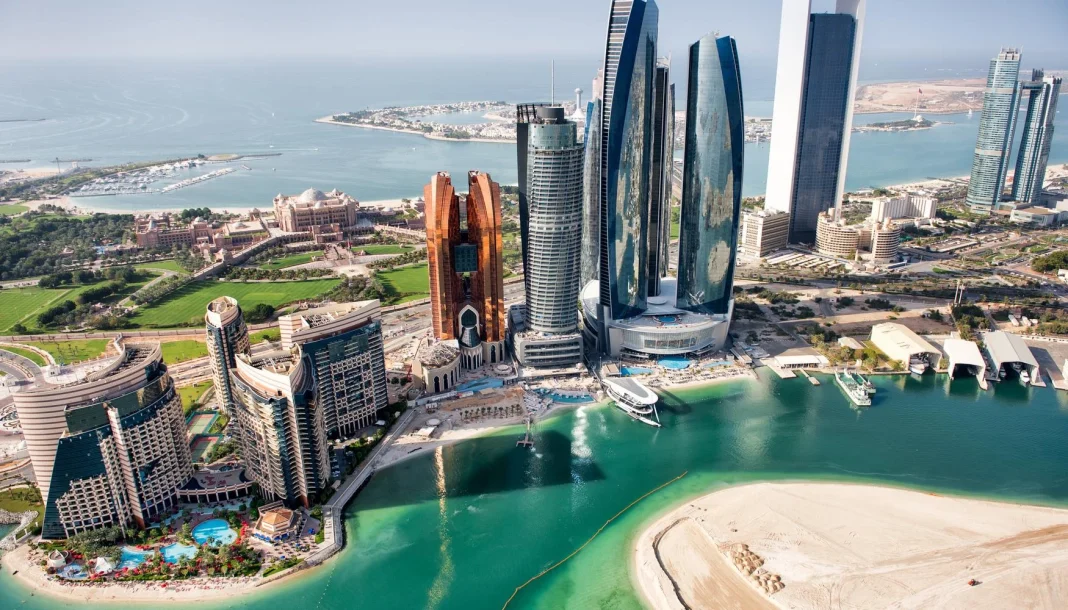
How much longer can Abu Dhabi live in the shadow of its more famous neighbor? The answer, according to the most recent data, is that time is already over. Abu Dhabi has activated a structural transformation in its culture and tourism sectors that is repositioning the emirate on the global map of the most sought-after destinations of 2026.
The numbers back up that claim without needing any embellishment: cultural tourism already accounts for more than 5% of GDP in Abu Dhabi, with a stated goal of doubling that percentage before 2030. This is not institutional rhetoric — it is a roadmap with built infrastructure, inaugurated museums, and millions of visitors already arriving.
Abu Dhabi Redefines Its Identity as a Global Cultural Capital
For decades, Abu Dhabi was perceived as the city of business and oil, while Dubai monopolized the tourism glamour. That perception is now obsolete: Abu Dhabi has systematically invested in turning its capital into a world reference where culture is not an ornament, but the main engine of its diversified economy.
The strategy of the Department of Culture and Tourism — known as DCT Abu Dhabi — starts from a solid premise: attracting a traveler profile with greater purchasing power, higher loyalty, and higher average spending. To achieve this, Abu Dhabi does not compete on price, but on unique and unrepeatable experience, betting on world-class museums, iconic architecture, and a cultural ecosystem that does not exist in any other emirate.
Abu Dhabi and the Saadiyat District, the Gulf’s Most Ambitious Bet
The centerpiece of this entire strategy is Saadiyat Island, located just 500 meters from the center of Abu Dhabi, which hosts the densest and most ambitious concentration of museums in the Middle East. The Louvre Abu Dhabi — already with more than six million visitors since its opening in 2017 — received 1.4 million in the last year alone, with 84% international visitors.
Added to that milestone are teamLab Phenomena — the largest immersive art space in the entire region —, the new Natural History Museum inaugurated in November 2025, and the Guggenheim Abu Dhabi, currently under construction on Saadiyat, whose opening is scheduled for 2026. This district is already more than a promise: it is active cultural infrastructure that generates measurable economic returns and positions Abu Dhabi as a direct rival to Paris and London in high-value tourism.
International Tourism Discovers What Analysts Already Knew
Abu Dhabi recorded in the first quarter of 2025 a hotel occupancy rate of 82%, with a 4% growth in international guests. These figures do not reflect a one-time peak, but the consolidation of a trend that has been accelerating for three years and that in 2026 reaches its greatest international visibility. The emirate participated in FITUR 2026 in Madrid, where it received two important awards certifying its position in the European tourism market.
The profile of the visitor who chooses Abu Dhabi has changed radically. It is no longer just the transit tourist making a layover or the business traveler arriving for a meeting: Abu Dhabi now attracts a cultural segment seeking genuine experiences, top-tier museums, and a city that combines the quality of a mature destination with the freshness of a destination not yet overcrowded. That combination, in today’s tourism world, is an extraordinarily rare asset.
Figures That Consolidate Abu Dhabi’s Leadership in 2026
The emirate’s economic projection leaves no room for interpretation: Abu Dhabi aims for tourism to contribute 90 billion dirhams to its non-oil GDP by 2030, nearly triple what it was just three years ago. To achieve this, the roadmap contemplates reaching 39.3 million annual visitors and generating around 55,000 new jobs in the creative industries before that same year.
This commitment structurally differentiates Abu Dhabi from other Gulf destinations. While some emirates build mass entertainment attractions, Abu Dhabi builds active scientific infrastructure: its museums also function as international research centers, attracting sponsors, academic institutions, and global media with a reach that no theme attraction can match.
| Key Indicator | Current Data (2025) | 2030 Target |
|---|---|---|
| Museum and cultural visitors | 5 million (+40% year-on-year) | No defined ceiling |
| Tourism contribution to non-oil GDP | AED 49 billion | AED 90 billion |
| Total annual visitors | ~24 million | 39.3 million |
| Hotel occupancy (Q1 2025) | 82% | Sustained growth |
| Jobs in creative industries | Actively expanding | +55,000 new positions |
Abu Dhabi in 2026: The Best Time to Visit Before the Crowds Arrive
Global cultural tourism trends point to destinations like Abu Dhabi entering a phase of exponential visitor growth