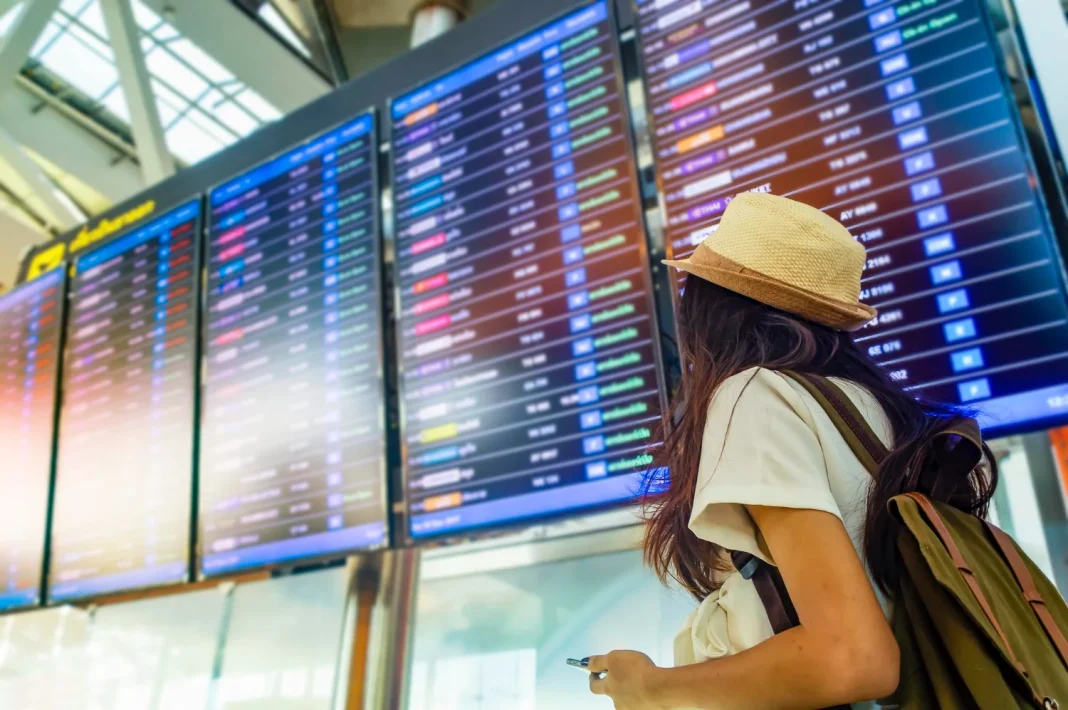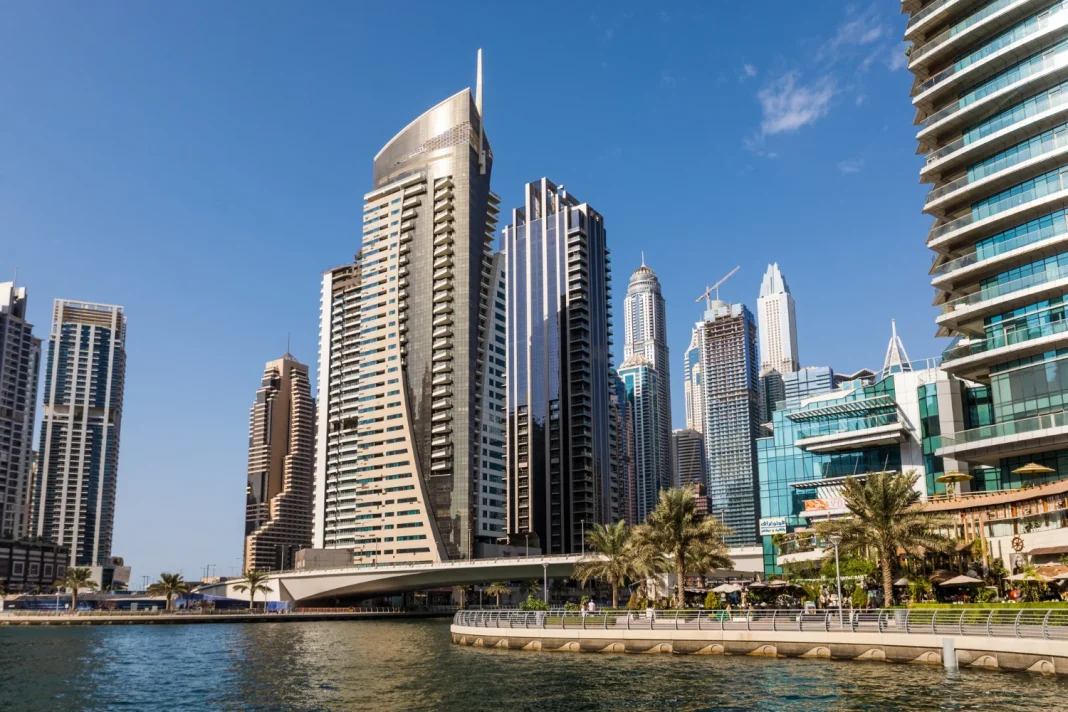



The emirate has just demonstrated that it also knows how to act when thousands of travelers are left with no way out. Literally. On February 28, 2026, following Iran’s attacks on United Arab Emirates infrastructure in response to the U.S. and Israel offensive, Abu Dhabi airspace shut down abruptly. Thousands of tourists with their bags packed found themselves without a flight, without an exit date, and without knowing who would pay for the extra nights.
Abu Dhabi pays for the stay: how the unprecedented measure works
The Abu Dhabi Department of Culture and Tourism (DCT) issued a formal circular on February 28 addressed to the general managers of all hotels in the emirate. The order was clear: extend the stay of any guest who had reached their check-out date but could not leave the country. The cost of those additional nights would be fully covered by the public entity.
Abu Dhabi did not stop at accommodation. The General Civil Aviation Authority (GCAA) complemented the directive with a comprehensive assistance package that included meals, logistical support, and coordination for flight rescheduling. The measure reached more than 20,200 passengers affected by cancellations and airspace restrictions.
Which tourists are protected by Abu Dhabi and how to access help
Coverage applies to all travelers, regardless of nationality, who were staying in Abu Dhabi hotels when their departure date arrived and were unable to travel due to circumstances beyond their control. Stranded tourists do not have to perform any special procedures: the hotel receives the direct instruction from the DCT and manages the billing with the public entity centrally.
In addition to covering accommodation, Abu Dhabi set up specific channels to coordinate flight rescheduling with airlines. Etihad Airways suspended operations from Abu Dhabi until March 2 and offered free rebooking and full refund options to affected passengers.
The airspace closure: what really happened in Abu Dhabi
On Saturday, March 1, Abu Dhabi and Dubai suffered the largest airspace closure in recent history. Missile and drone attacks from Iran forced the closure of Abu Dhabi’s Zayed International Airport and Dubai International Airport, two of the world’s busiest hubs. More than 4,000 flights a day were cancelled across the region according to Flightradar24.
For tourists in Abu Dhabi at the time, the situation was one of immediate distress: missile alerts on mobile phones, instructions to take cover, and the certainty that the flight back home simply was not going to take off. Entire families, travelers in transit, and cruise passengers docked at the port experienced days of total uncertainty.
Abu Dhabi goes further: exemption from overstay fines
Abu Dhabi and the rest of the United Arab Emirates took an additional step that many did not expect. The federal government confirmed a total exemption from overstay fines, meaning penalties for exceeding the permitted stay in the country. No stranded tourist would receive economic or administrative sanctions for having remained more days than authorized on their visa.
This decision addressed one of the most widespread fears among those affected: that by being unable to leave, they would accumulate debts with the administration. With the exemption active, Abu Dhabi guaranteed that no one would pay a legal price for a situation they had not caused. The measure was confirmed on March 4 by the Emirati authorities.
| Measure | Beneficiaries | Cost for the tourist |
|---|---|---|
| Extended free accommodation | Tourists in Abu Dhabi hotels without a flight | 0 € – Paid by Abu Dhabi DCT |
| Meals and logistical assistance | Passengers managed by GCAA (+20,200) | 0 € – Covered by the State |
| Overstay fine exemption | All foreigners stranded in the UAE | 0 € – Official exemption |
| Etihad rebooking and refund | Etihad passengers from Abu Dhabi | 0 € – Airline bears the cost |
| Estimated Government bill | — | +45 million AED (~11 M€) |
Abu Dhabi after the conflict: what’s next for travelers
The progressive reopening of airspace and the impeccable management of the crisis have reinforced Abu Dhabi’s image as a safe and reliable destination even in extreme situations. Tourism experts agree that this institutional response will be a global benchmark in crisis management, comparable only to measures adopted during the Covid-19 pandemic.
For those with Abu Dhabi on their bucket list, the advice is clear: the emirate remains a solid choice. Its roadmap towards 39.3 million visitors by 2030 does not stop, and the demonstration that the Government protects the tourist even when the world is in turmoil is, in itself, the best sales pitch Abu Dhabi could have achieved.