

Can a country keep its tourism and aviation industry operational while a war unfolds just a few flight hours away? The UAE didn’t just try: they succeeded. And the data supports this with a hard-to-ignore forcefulness. Between March 1 and 12, 2026, more than 1.4 million passengers traveled through UAE airports and its national airlines. This is not a routine peacetime figure; it is the number recorded in the midst of escalating regional tensions between Iran and Israel, with airspace subject to temporary restrictions and flights operating through contingency routes.
The UAE Under Pressure: How Aviation Functions in Times of Crisis
The General Civil Aviation Authority (GCAA) of the UAE recorded nearly 7,839 air traffic movements in the first twelve days of March, a figure that demonstrates the system did not stop but adapted. Flights incorporated temporary security adjustments and operated through approved contingency corridors without interrupting passenger flow.
The Minister of Economy and Tourism, Abdulla bin Touq Al Marri, emphasized that “the safety of passengers, pilots, and aviation personnel is the absolute priority in all decisions.” This stance was not just rhetoric: authorities covered accommodation and catering expenses for passengers stranded by postponed flights, while hotels were instructed to extend stays at no additional cost.
UAE and its Airlines: The Emirates Factor in the Global Equation
The UAE has built an aviation ecosystem over decades designed to withstand external shocks. Emirates, the largest airline in the Middle East with nearly 3,400 weekly flights from Dubai, is a central part of that strategic shield that makes the country an irreplaceable global hub.
The resilience of Emirates is not accidental: its wide-body fleet—Boeing 777 and Airbus A380—allows for rapid route redirection without sacrificing capacity. When Iranian airspace faced restrictions, the UAE activated safe corridors that maintained connectivity without the average passenger noticing the operational impact.
UAE Tourism: 1,260 Hotels Open and No Attractions Closed
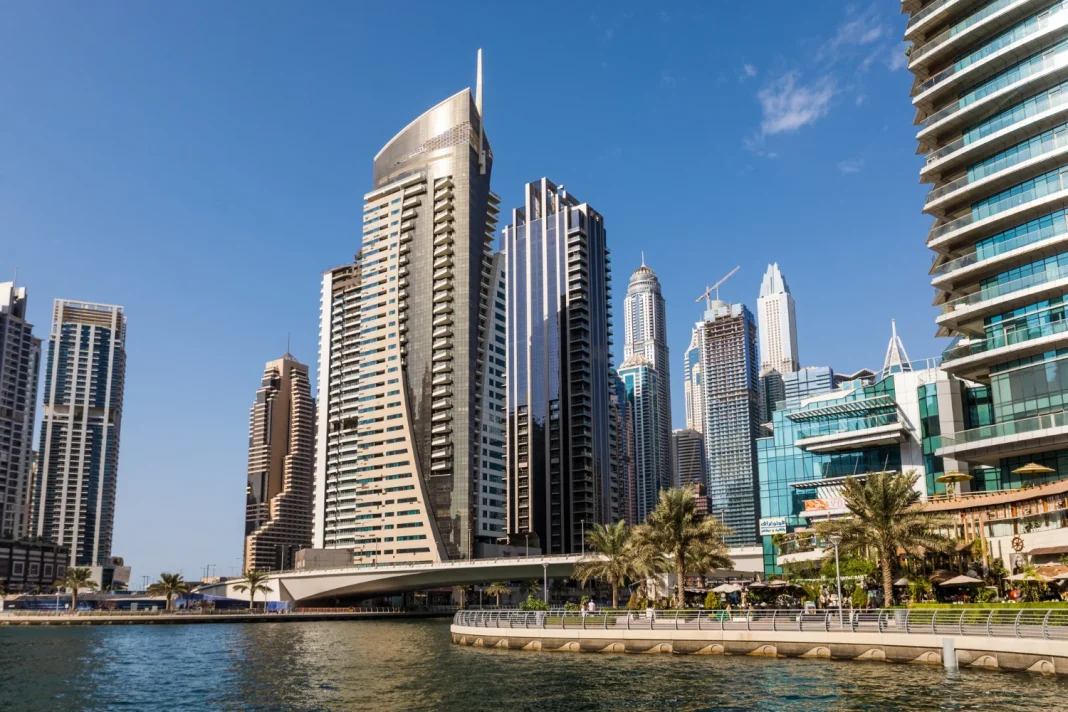
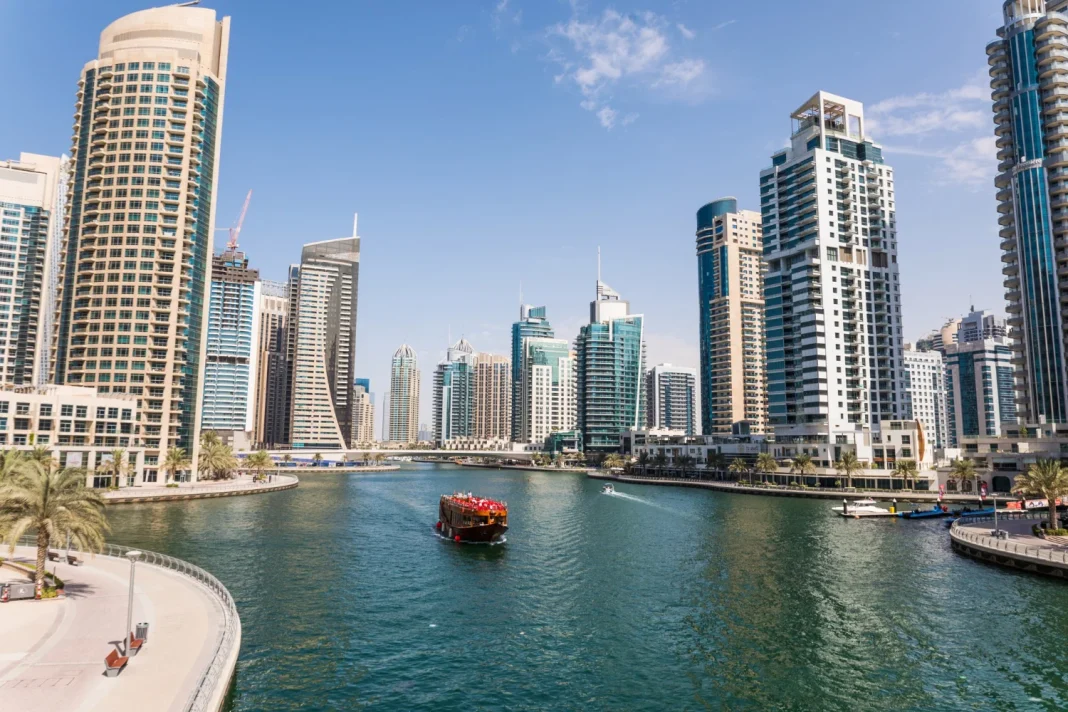
While the world focused on war headlines, the UAE maintained approximately 1,260 active hotels and more than 40,000 tourism-related businesses, all in full compliance with quality and safety standards. Resorts, shopping malls, cultural attractions, and heritage sites operated normally throughout the crisis.
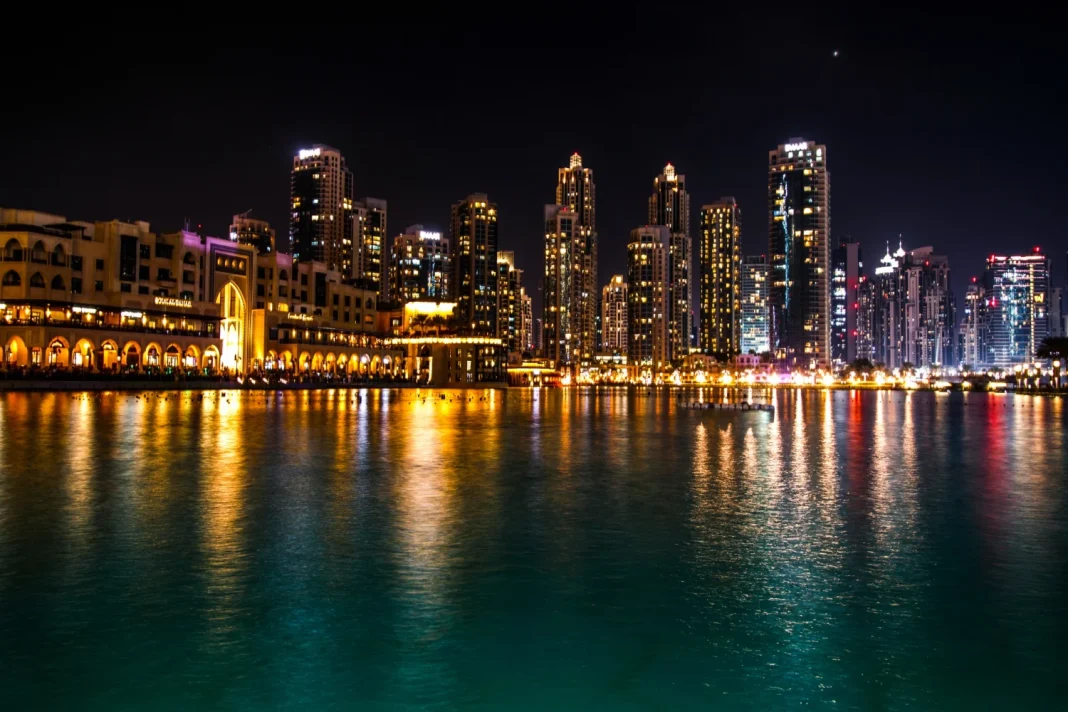
This strength is not a fluke of geography; it is the result of a deliberate policy of diversification. The UAE has systematically invested in decoupling its tourism image from regional political instability, positioning itself as a “bubble of stability” within a volatile environment. Tourists arriving in Dubai or Abu Dhabi do not perceive war; they perceive efficiency, luxury, and safety.
The Diplomatic Response and Its Impact on Traveler Confidence
The UAE‘s decision to summon the Iranian ambassador and close its embassy in Tehran following the missile and drone attacks on February 28 was a sign of sovereign strength, not panic. This clear and decisive stance created an international perception of a stable and predictable government, which is fundamental for maintaining corporate and leisure traveler confidence.
Emirates and other national airlines responded by coordinating with the GCAA to offer real-time updates to their passengers. Communicative transparency during the crisis—notices on official channels, automatic visa extensions for those stranded—reinforced the UAE‘s image as a destination that prioritizes the traveler’s experience and safety above any contingency.
| Indicator | Before the Crisis (Feb. 2026) | During the Crisis (Mar. 1-12, 2026) |
|---|---|---|
| Passengers at UAE Airports | Standard operation | +1.4 million recorded |
| Air Traffic Movements | Normal routes | 7,839 with contingency adjustments |
| Operating Hotels | ~1,260 | ~1,260 (no closures) |
| Active Tourism Businesses | +40,000 | +40,000 (full operation) |
| Coverage for Stranded Passengers | Not applicable | Accommodation and catering covered |
The UAE in 2026: Why Tourism Will Keep Growing Despite Everything
In this crisis, the UAE has proven something that investors and tourism operators already suspected: its model is antifragile. Unlike destinations that paralyze at the first sign of regional conflict, the Emirates have institutionalized resilience as a competitive advantage. IMF forecasts already pointed to a GDP growth of 5.1% for 2025, and the tourism sector is one of its most solid engines.
For travelers evaluating whether to include the UAE in their 2026 plans, the advice is clear: follow the official channels of Emirates and the GCAA for any operational updates, but do not cancel. Recent history proves that the Emirates do not just open their doors in difficult times; they keep them open with a red carpet.