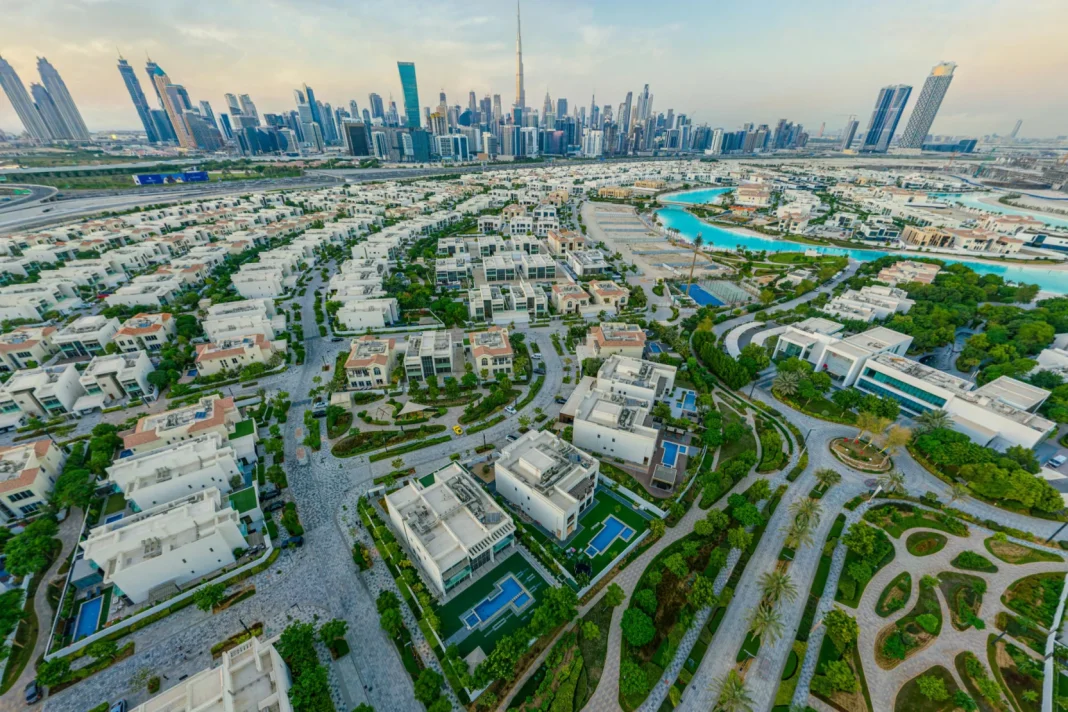


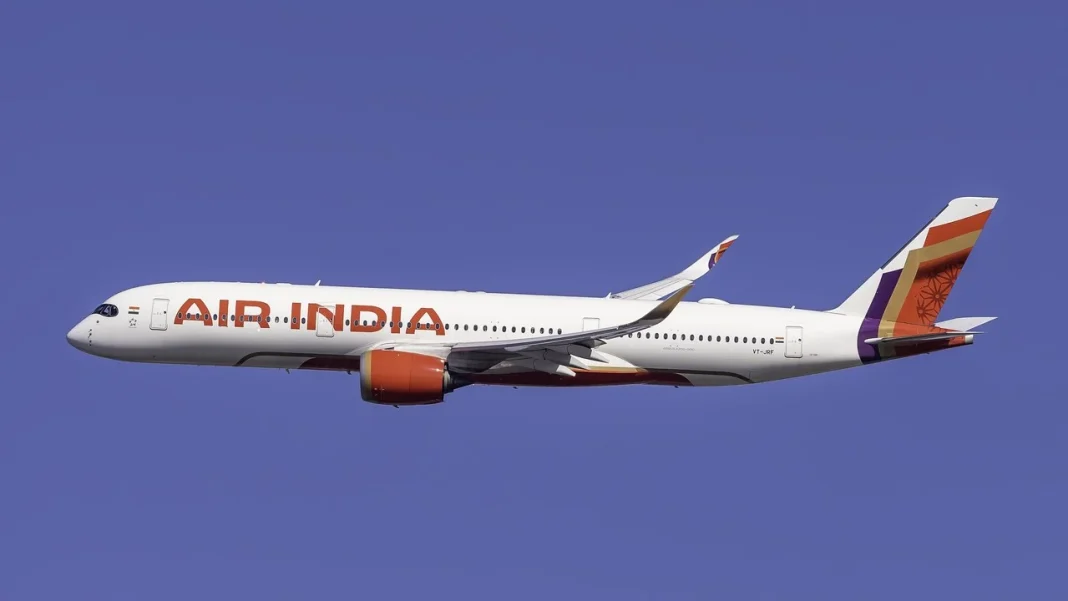
The situation in Dubai has shifted from complete normalcy to logistical chaos in just a few hours, challenging the invulnerability that the Emirati skies have always projected against neighboring conflicts. Air India’s announcement is not an isolated event, but rather a symptom of an operational emergency that has forced airlines to prioritize the safety of their crews. Data confirms that more than 40% of regional flights have been cancelled or diverted to avoid imminent risk zones.
The Immediate Impact on Dubai’s Operations
The cancellation of regular flights by the Air India group has left thousands of travelers stranded at Dubai‘s terminals searching for impossible alternatives. Airport authorities have issued strict instructions to cut back ad-hoc operations, allowing only takeoffs with a safety window verified by military radars.
This technical paralysis represents the greatest challenge to civil aviation in the region since the global pandemic shutdown, affecting not only local routes but also transcontinental connections. The current priority for airlines is the repatriation of citizens, while ground staff manage food vouchers and accommodation in hotels already nearing full capacity.
Official Recommendations for Traveling to Dubai and Abu Dhabi
The uncertainty has led the Spanish Consulate to raise the tone regarding the advisability of traveling to Dubai during this period of manifest instability. For its part, the UAE capital, Abu Dhabi, is keeping its air defenses on maximum alert following the interception of drones that flew over strategic districts near the runways.
It is essential that travelers do not go to the airport without a valid electronic confirmation, as cancellations are occurring with only minutes of notice. The capital, Abu Dhabi, has centralized visa management for tourists whose stays have expired due to the air blockade, temporarily waiving overstay fines.
Air India’s Response to the Abu Dhabi Crisis
Air India Express has been especially firm in suspending all its services to Abu Dhabi, a decision driven by the proximity of commercial routes to areas of intensive military activity. The airline now offers full refunds or fee-free date changes, although finding an available seat on rescue flights has become an ordeal for those affected.
The flow of passengers between India and the Emirates is one of the densest on the planet, and this cut in air supply directly affects the regional economy. While Dubai attempts to keep some limited corridors operational, the capital Abu Dhabi remains the epicenter of operational caution for Asian airlines crossing the strait.
Air Safety and Diversions in Regional Airspace
Pilots operating on the periphery of Dubai are receiving constant risk bulletins requiring diversions of up to three hours to bypass exclusion zones. This situation not only generates massive delays, but exponentially increases fuel consumption and logistical pressure on alternative airports in Oman and Saudi Arabia.
The UAE’s interception technology has demonstrated an efficiency rate above 90%, but that remaining margin of error is what keeps aviation giants grounded. In Abu Dhabi, the deployment of defense batteries is visible from the terminals, a constant reminder that passenger safety is now a variable that depends on military geopolitics.
| Operational Indicator | Dubai (DXB) | Abu Dhabi (AUH) |
|---|---|---|
| Cancelled Flights | 80% (Air India) | 100% (Express) |
| Alert Status | Level 3 (Critical) | Level 3 (Critical) |
| Refund Policy | Full / Free | Full / Free |
| Overstay Fines | Active Exemption | Active Exemption |
Outlook for Dubai and the Future of Air Traffic
The market expects the normalization of flights to Dubai to occur gradually once international corridors guarantee the absence of asymmetric threats. The resilience of the Emirates is legendary, but regional stability is a factor that airline algorithms cannot predict with absolute accuracy in the short term.
Experts advise staying calm and using only the official digital channels of the airlines for any ticket management. The future of Abu Dhabi as a safe hub will depend on diplomacy’s ability to de-escalate a conflict that, for now, keeps engines off and bags on the ground, waiting for clear skies.