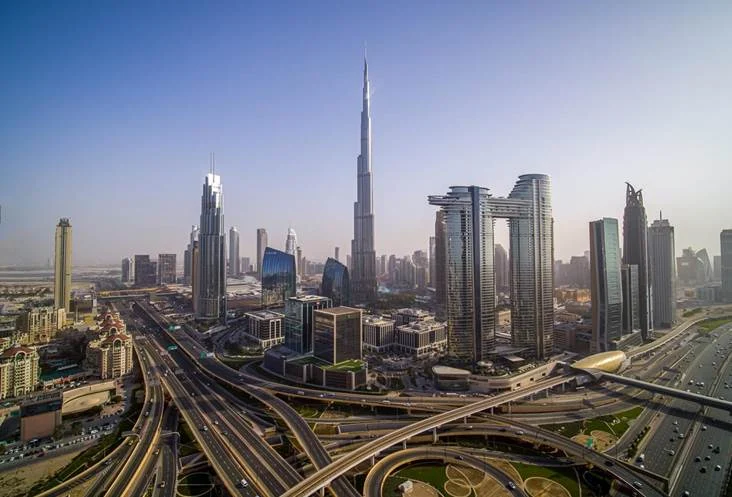


Why do we keep thinking that the private car is the only smart way to move between the great skyscrapers of the Persian Gulf? Traveling by road between the region’s financial hubs has for decades been a mandatory routine of asphalt and congestion for thousands of residents seeking to connect their businesses in Dubai.
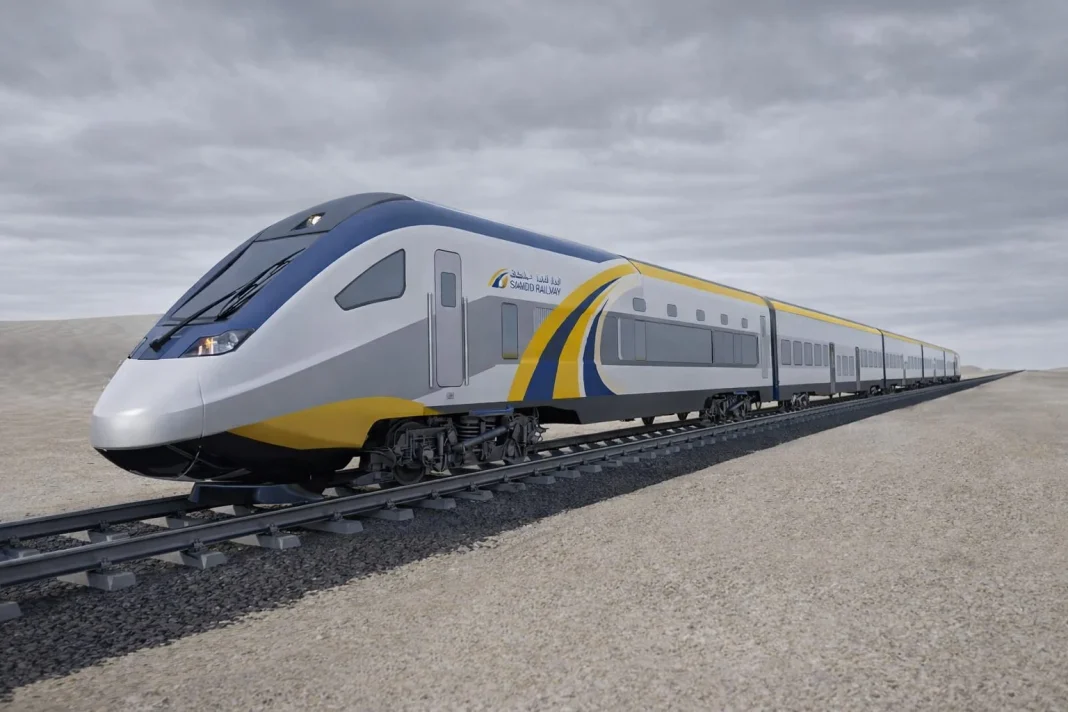
The imminent inauguration of the Etihad Rail passenger network will definitively break with this automotive paradigm in the Middle East. This colossal sustainable mobility project promises to transport millions of people annually through a state-of-the-art railway infrastructure that will change the local economic geography forever.
The massive impact of Etihad Rail on inter-emirate transportation
Leaving the private car behind in a region designed by and for oil seems like a utopia difficult to digest. However, the ambitious national railway system has successfully completed its critical phases of technical development to demonstrate that the future of mobility in Dubai does not depend exclusively on traditional highways.
This massive public intercity transport alternative will completely redefine the work and tourism dynamics of thousands of users every day. Passenger trains offer first-class comfort with the priority objective of decongesting the saturated inter-emirate highways through a clean and fast logistical alternative.
The 11 cities united by a global engineering infrastructure
The railway map designed to unite the country breaks geographical barriers by connecting urban and agricultural centers from the Saudi Arabian border to the east coast. The development of passenger terminals in Dubai will serve as a centralized strategic connector to distribute the steady flow of workers who regularly travel to the political center of Abu Dhabi.
The stations along this route have been meticulously planned to offer quick access to local transport services such as the metro and city buses. This phased rollout ensures that emerging industrial zones receive an injection of direct connectivity that will boost the development of the emirate of Abu Dhabi and its surrounding regions.
Reduced travel times between the desert and the coast
Spending several hours on daily commutes will become a memory of the past thanks to the remarkable operational speed of the new passenger trains. A regular trip between the two main metropolises will be completed in less than an hour, offering a mathematical punctuality impossible to guarantee in conventional road transport.
This drastic reduction in travel times will immediately boost domestic tourism and the residential real estate sector. Crossing the desert at a constant speed will allow professionals to reside in distant coastal environments while maintaining their jobs in the financial districts of Dubai.
Sustainability as the axis of transformation in the Middle East
The transition toward a low-carbon economic model requires deep structural changes in the mass transportation systems of the Arabian Peninsula. The electrification and efficiency of the Etihad Rail network will prevent the emission of tons of polluting gases into the atmosphere of Dubai every year of commercial operation.
This clean mobility strategy positions the country at the forefront of global environmental policies regarding collective passenger transport. The progressive abandonment of road transport will inject greater sustainability into dense metropolitan areas, directly benefiting the urban habitability of Abu Dhabi.
| Key Indicator | Operational Projection | Main Benefit |
|---|---|---|
| Connected Cities | 11 Regions | Total territorial cohesion |
| Passenger Volume | 36.5 Million per year | Reduction of road traffic |
| Dubai – Abu Dhabi Time | Less than 57 minutes | Optimized productivity |
The future of mobility and the consolidation of the regional market
The consolidation of this state-of-the-art railway network will set the definitive precedents for the future integration of passenger transport at a community level throughout the Gulf. Consumption and trade dynamics in Dubai will experience a positive transformation driven by the fluidity of massive and constant pedestrian traffic.
Adapting to this new railway connectivity ecosystem will be the major strategic challenge for commercial enterprises and logistics providers over the coming months. Coordinated development between the public and private sectors will ensure that the historic capital of Abu Dhabi and its neighboring emirates achieve unprecedented economic growth.