

Can the most ambitious city on the planet be trapped by a crisis it didn’t create? Dubai, that emirate which seemed immune to any global storm, has spent months at the center of an unprecedented financial reconfiguration. The war between the US and Iran has changed the rules of the game for thousands of international investors with positions in the Persian Gulf.
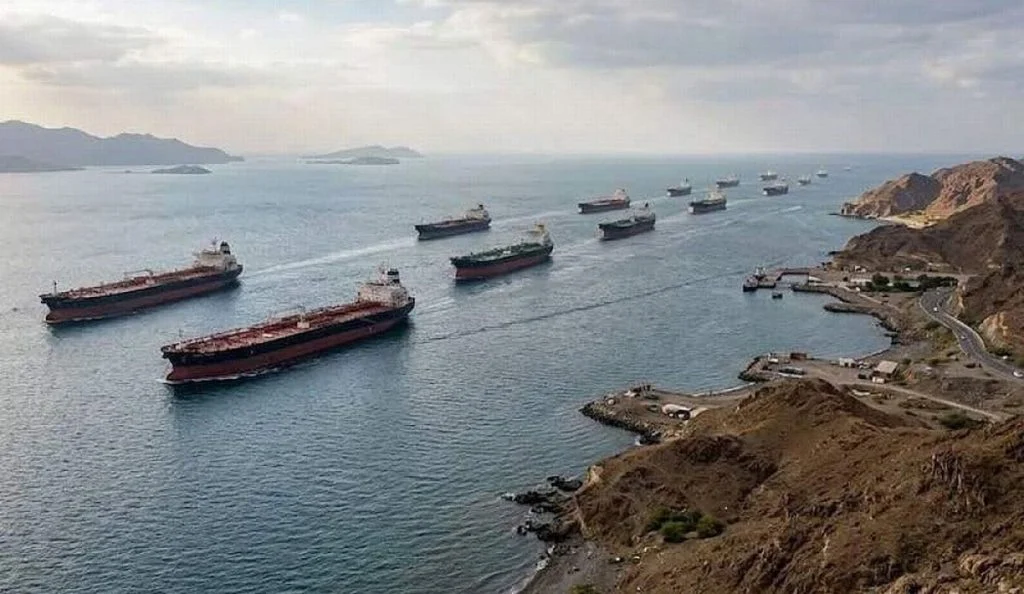
Since February 28, 2026, when Iran closed the Strait of Hormuz, one-fifth of the world’s oil stopped circulating normally. High-net-worth individuals with capital in Dubai did not wait to see the outcome: they activated their contingency plans, and the money began to move.
Dubai and the Geographical Trap No One Anticipated
The problem is not just military: it is structural. The UAE exports oil and gas through Hormuz, and with the passage blocked, its petrodollar income has suffered a decline that Goldman Sachs describes as severe. Dubai, lacking oil reserves comparable to Abu Dhabi, is especially vulnerable to regional liquidity contraction.
European family offices based in Madrid, Geneva, or Lisbon—which during 2024 and 2025 had bet heavily on the emirate—began diversifying positions starting in March. It is not a massive panic: it is a strategic recalibration responding to risk management protocols designed exactly for scenarios like this.
Dubai on the Capital Map: Between Resilience and Retreat
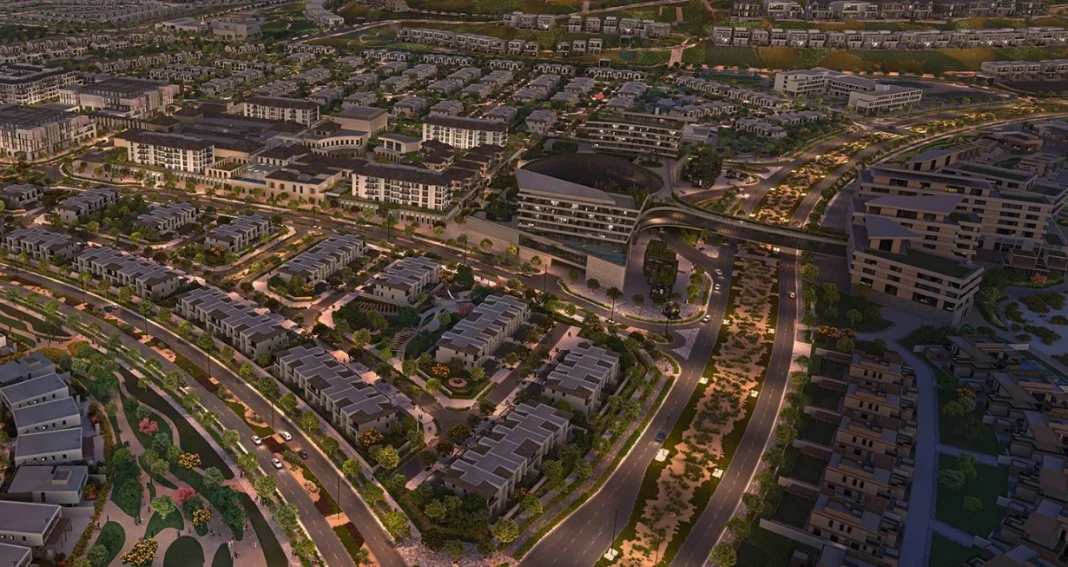
The Dubai real estate market closed 2025 with record figures—more than 230 billion dirhams in transactions—but the 2026 context has introduced a new variable that no financial model had contemplated with such intensity. The blockade of Hormuz is not just a military dispute: it is a direct threat to the Gulf’s economic connectivity as an ecosystem.
Bloomberg analysts point out that the UAE is the hardest hit among Gulf exporters precisely because its alternative export routes are insufficient to compensate for the volume that transited through the strait. Saudi Arabia and Oman, with ports outside the conflict zone, are absorbing part of the capital flow that Dubai is temporarily losing.
The Destinations Capturing the Capital Leaving the Gulf
Switzerland and Singapore lead the list of recipient jurisdictions. The logic is simple: maximum legal stability, geopolitical neutrality, and top-tier private banking. Sources specialized in wealth management document that the usual sequence is opening Swiss accounts while maintaining residency in the UAE before executing any change of tax domicile.
In Europe, Milan is emerging as the unexpected destination for this redistribution. Its combination of an attractive tax regime for new residents, a rising real estate market, and European quality of life is attracting a profile of high-net-worth expatriates who, until a year ago, would have ruled out Italy as a priority investment option.
The Hormuz Paradox: Crises That Destroy and Crises That Build
While Dubai withstands the pressure, the closure of Hormuz is generating asymmetric opportunities in other Gulf markets. Oman has seen its oil revenues increase by 80% since the conflict broke out, according to Goldman Sachs estimates, precisely because its export ports lie outside the blockade radius. This divergence within the same region is unprecedented in the Gulf’s financial history.
What is happening in 2026 is not the collapse of Dubai: it is a test of the maturity of its financial ecosystem. The DIFC recorded its best-ever first quarter in 2026, with 775 new companies in just three months. While some capital is leaving, there is also capital that trusts the emirate’s institutional strength and chooses to position itself before the situation normalizes.
| Destination | Main Attraction | Hormuz Exposure Level |
|---|---|---|
| Dubai (UAE) | Zero taxation, DIFC, investment ecosystem | High — export routes blocked |
| Switzerland | Private banking, geopolitical neutrality | None |
| Singapore | Asian hub, legal stability | Very low |
| Milan (Italy) | Tax regime for new residents, EU | None |
| Oman | Ports outside the blockade, revenue +80% | Low — position outside the strait |
Dubai in 2027: Why Capital Will Return Sooner Than You Think
Forecasts suggest that Dubai will regain its hegemonic position as soon as the Strait of Hormuz stabilizes, a scenario that geopolitical analysts consider likely in the medium term. The emirate has structural fundamentals that no temporary crisis can dismantle: sustained population growth of over 200,000 new residents annually, a tax framework with no capital gains taxes, and an institutional infrastructure unparalleled in the region.
The advice from the most experienced wealth managers is clear: those who liquidate positions in Dubai out of fear in 2026 may regret it in 2027. The history of the emirate is the history of a territory that turns every crisis into an opportunity for reinvention. Those who understand this dynamic—and maintain liquidity to act when the market hits bottom—are the ones who will capture the highest returns of the next cycle.