

Does it make sense for the world’s most sophisticated investors to bet on assets that don’t yet physically exist? In Dubai, the answer is yes, and the real estate market data from 2025 and 2026 confirms it with a force that has caught even the most skeptical analysts off guard.
The emirate’s off-plan market closed 2025 with more than 270,000 real estate transactions at a historic value of AED 917 billion, a 20% year-on-year growth. [web:12] 80% of fourth-quarter transactions corresponded precisely to the off-plan segment, a concentration unprecedented in any other global market of the same size.
Dubai and the New Logic of Institutional Capital
For years, institutional funds looked at Dubai from a distance, considering it too speculative a market for managing wealth portfolios. What has changed is not the appetite for risk, but the regulatory maturity of the emirate: the Dubai Land Department’s mandatory escrow account system, standardized RERA contracts, and the absence of property and capital gains taxes have created an environment that analysts compare to Singapore or London in their takeoff phases.
Family offices and pension funds operating in Dubai from minority positions have significantly scaled up their capital commitments. The predominant strategy is bulk buying: the acquisition of multiple units in the pre-launch phase at negotiated prices, with installment payment plans of the 60/40 or 70/30 type that allow leveraging positions without resorting to bank financing. [web:5]
Why Off-Plan in Dubai Outperforms Traditional Assets
Dubai’s real estate market has created an entry window that is hard to replicate in European markets: buying off-plan at the excavation stage allows access to prices between 20% and 30% below the value of the completed asset, according to 2025 emirate sector data. This turns every percentage point of appreciation during construction into net profitability, without tax friction.
Post-delivery rental yields add another layer of appeal: between 7% and 10% per year in the highest-demand districts such as Jumeirah Village Circle, Business Bay, or Dubai Hills Estate. [web:2] For a European investor accustomed to gross yields of 3–4% in Madrid or Barcelona, this differential redefines what a quality real estate investment means.
The Dubai Zones Leading Off-Plan Appreciation
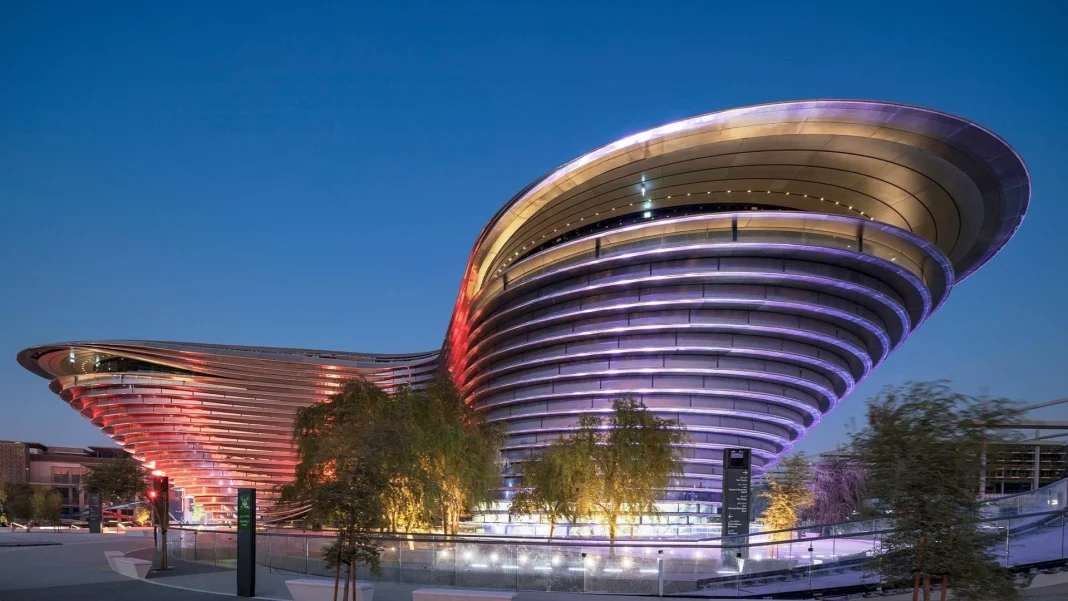
Not all off-plan developments in Dubai offer the same appreciation potential, and institutional investors know it. The zones with the greatest traction are those linked to major infrastructure projects: Dubai South, benefiting from the expansion of Al Maktoum International Airport to 260 million passengers per year, and Expo City, whose legacy continues to attract high-net-worth professionals.
Dubai Creek Harbour and Palm Jebel Ali complete the high-appreciation map. In these corridors, Emaar and Nakheel off-plan projects record appreciations of between 12% and 25% before delivery, depending on the entry point in the cycle. The historical data from Downtown Dubai or Palm Jumeirah, where total appreciation reached between 300% and 500% from their initial off-plan phase, are arguments that wealth managers can no longer ignore.
The Profile of the Institutional Investor Betting on Dubai Today
The investor driving the current Dubai cycle is not the speculator of previous cycles. It is a more sophisticated profile: European family offices based in Madrid, Geneva, or Lisbon seeking geographic diversification outside the eurozone, patrimonial equity funds prioritizing capital appreciation over immediate liquidity, and institutional operators building build-to-rent portfolios in line with growing expatriate demand.
This capital arrives with time horizons of three to five years, projected cash flow models, and defined exit strategies. The difference from retail investors is clear: where an individual buyer evaluates one unit, a fund analyzes a portfolio of 20 or 30 assets in different construction phases, calibrating exposure according to the market cycle and delivery timelines.
| Dubai Zone | Estimated Pre-Delivery Appreciation | Post-Delivery Rental Yield | Typical Horizon |
|---|---|---|---|
| Dubai Hills Estate | 20–25% | 7% per year | 3–4 years |
| Business Bay | 15–20% | 8% per year | 2–3 years |
| Dubai South | 15–20% | 7% per year | 4–5 years |
| Palm Jebel Ali | 12–18% | 6% per year | 5–6 years |
| Jumeirah Village Circle | 10–15% | 9–10% per year | 2–3 years |
Dubai in 2027: The Window That Won’t Be Open Forever
Projections for the 2026–2027 biennium in Dubai point to a consolidation of the upward cycle, not its exhaustion. Infrastructure expansion, sustained demographic growth—with more than 200,000 new residents per year—and a tax framework with no capital gains taxes form a triad that is hard to beat in any other first-tier emerging market.
The advice analysts consistently repeat is always the same: enter before appreciation is priced in. Off-plan in Dubai meets exactly that criterion in 2026, with developments in still-growing zones offering the widest price differential relative to the finished product. Those who wait to see the building completed will have already ceded the most profitable part of the appreciation curve.