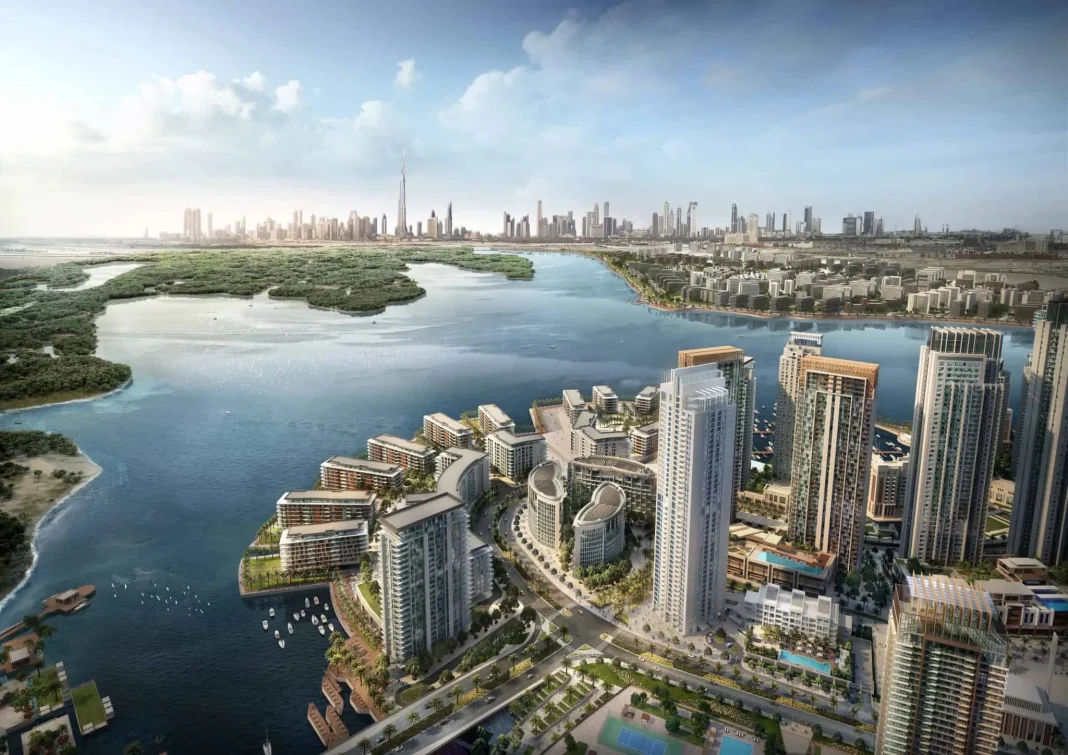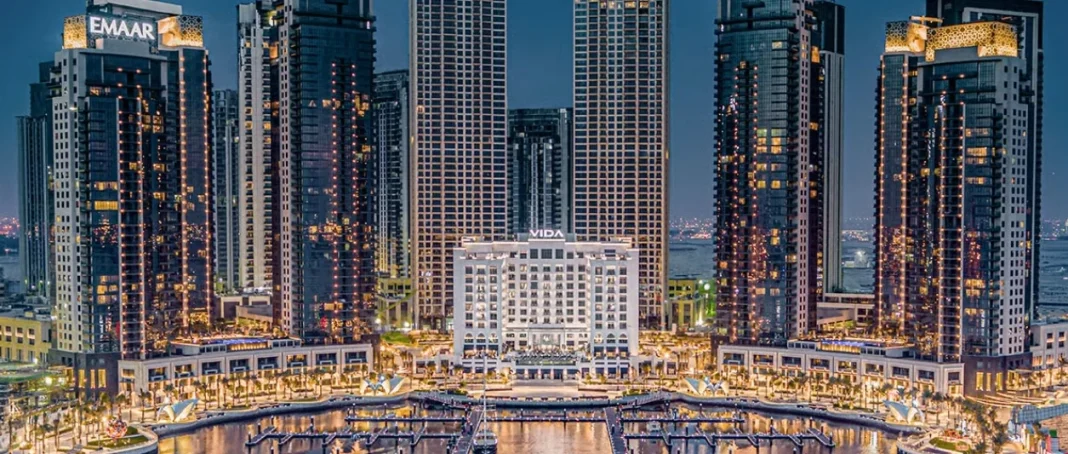


If you are looking to make your capital profitable, investing in Dubai is surely on your mind. Forget about the skyscrapers. The real profitability, the one sought by large funds, does not look at the sea, but at a peripheral industrial complex that offers security and massive returns.
I have been analyzing markets for twenty-five years and the numbers of this enclave are exceptional. While most fight for studios in premium areas that scrape an eight percent, there is a corner operating in another league in Dubai. Mixed-use assets are the key.
We are talking about a sector designed for operational efficiency. You do not buy views, you acquire pure mathematics that yield double-digit metrics thanks to a constant leasing demand and long-term corporate contracts.
The financial anatomy behind the success
To understand the phenomenon, let’s remove the romantic filter from the Emirati market of Dubai. The inexperienced investor is dazzled by tourist areas, ignoring that high maintenance costs and low seasons devour their net profit margins.
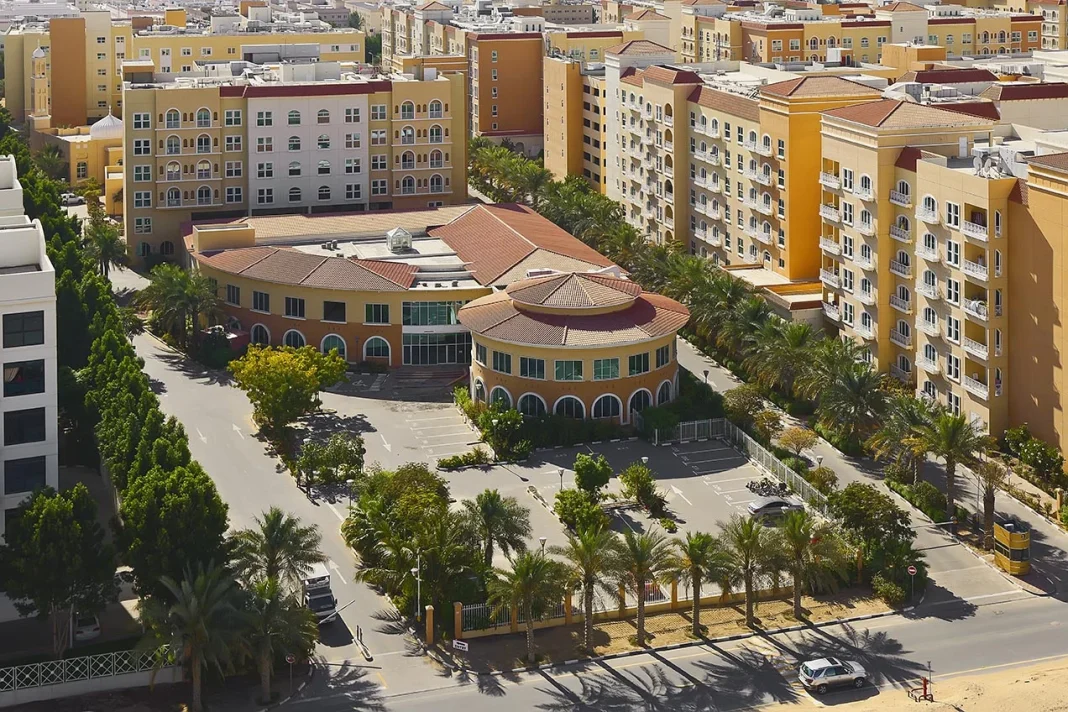
In contrast, this business park was born as a self-sufficient city. Its model offers solutions for corporations, combining logistics warehouses and staff accommodation in an enclosed compound. This synergy ensures stable and recurring cash flows.
Why invest in Dubai Investment Park compared to neighboring areas?
When comparing with bordering districts, the difference is palpable. Residential areas suffer from oversupply that stagnates prices. Here the dynamic is reversed: the immense corporate need for accommodation far exceeds the scarce housing supply currently available.
When calculating the real net yield, you will notice that community expenses are subsidized by the industrial component. This allows the owner to maximize income retention against the gross monthly rents of the market.
In addition, new logistics infrastructures south of Dubai have connected this industrial estate with the main ports. Its overwhelming dominance relies on unbeatable last-mile logistics:
- Mixed zoning: Allows heavy industry and housing simultaneously.
- Secure B2B contracts: Eighty percent are corporate leases.
- Entry cost: It is significantly lower than in luxury districts of Dubai.
- Low turnover: Tenant retention guaranteeing constant income.
- Energy subsidies: Government support that lowers overall maintenance costs.
- Industrial pull effect: Companies attract their own network of suppliers.
The asset that drives the numbers in Dubai
Whoever enters looking for luxury has the wrong zip code. The undisputed king of profitability is the utilitarian property, that asset that solves a vital logistical problem for the real economy of the emirate.
We are talking about residential complexes for middle-class and technical employees. These buildings use low-maintenance materials, focused on optimizing operating expenses during decades of intensive use by permanent corporate tenants.
Alongside the residences, warehouses with integrated offices are fundamental. They are spaces that corporations fully adapt, assuming comprehensive internal maintenance and freeing the landlord from any financial or structural unforeseen events.
Long-term performance factors
Maintaining these figures is not the result of any bubble. It is the result of a master plan that shielded the area against the fluctuations of the free residential market. Stability is the greatest asset of this specialized district.
The extremely strong barriers to entry actively protect land value. Developing here requires strict industrial permits, limiting future competition and defending the built heritage against the inevitable inflation of the real estate sector.
To understand the tremendous solidity of this anti-crisis model, look at the dynamics that maintain the dividend growth uninterruptedly year after year:
- Captive demand: The corporate workforce avoids urban traffic by residing nearby.
- Limited urban land: Laws do not allow further subdivision of industrial land.
- Local logistics boom: E-commerce demands distribution warehouses.
- Dual licenses: Option to operate commercially from the residence itself.
- Operational efficiency: Community upgrades that reduce fixed costs.
- Comprehensive services: Availability of schools and hospitals within the perimeter.
Future scenario: Market evolution
Looking ahead to the next five years, the comprehensive consolidation of this industrial estate is completely irreversible. The accelerated industrial expansion of the emirate of Dubai will continue to push large companies towards perfectly connected peripheral areas. I do not foresee double-digit returns disappearing in the short term, as the structural deficit of affordable housing for skilled workers remains a critical point for the local economy. The market shows no signs of exhaustion, but rather a very healthy financial maturation for the asset holder.
In my professional opinion, we are facing a strategic safe-haven asset disguised as an industrial estate. While the general public focuses on the real estate eccentricities of the coast, smart money flows silently here. It is a textbook countercyclical play that resists global crises and price corrections that usually shake the most volatile tourist areas of the emirate. The resilience of this model is based on its direct connection with productive economic activity and not only with the speculative flow of the service sector.
My final advice if you decide to bet on this model is not to do it blindly. Ally with a local property management company specialized in corporate rentals and always demand exhaustive technical audits. The secret to these returns lies not only in the purchase, but in impeccable preventive maintenance that avoids long vacancies. Crunch the numbers coldly, prioritize B2B contracts, and let the accumulated profitability transform your investment portfolio over the next ten years with total legal certainty.