

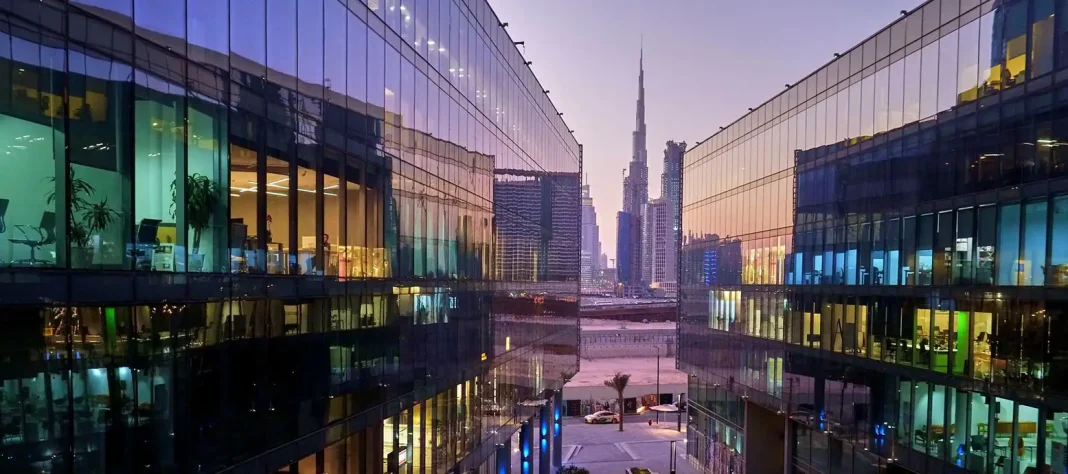
Dubai Design District (d3) has gone from being just a creative work hub to becoming the new residential magnet for fashion executives, architects, and international designers willing to pay in US dollars for unique spaces. Minimalist lofts with LEED certification that combine housing and personal showroom in the heart of the most influential district in the sector in the Middle East.
The change came when d3 authorized permanent residential units for the first time within the perimeter of the creative district. In February 2026, developers report demand 340% higher than available supply, with waiting lists exceeding 6 months for premium lofts between 150 m² and 220 m². Creative directors from European luxury brands, architects from international studios, and fashion designers are looking to live in d3 to shorten distances between personal life and professional epicenter.
The What: Housing Within the Most Coveted Creative Ecosystem
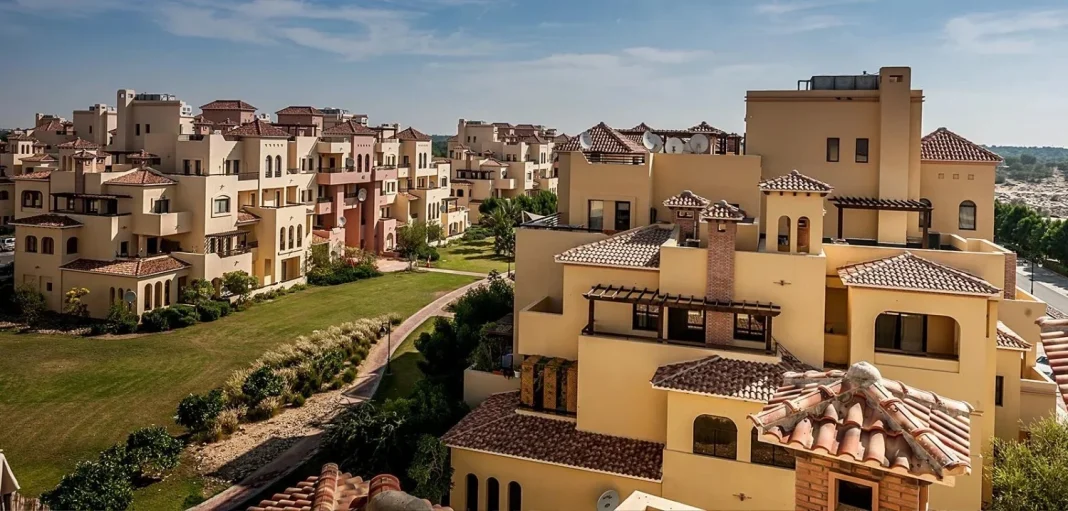
The residential lofts of d3 are not conventional apartments. We’re talking about industrial-chic units with 4.2-meter ceilings, exposed concrete walls, floor-to-ceiling windows, and modular design. The district currently houses more than 1,100 creative businesses and 20,000 professionals in design, fashion, architecture, and art sectors.
These spaces combine LEED Gold certification, integrated home automation, and finishes signed by studios like Foster and Partners. The units include direct access to boutique-style gyms, infinity pools with views of Burj Khalifa, and exclusive coworking spaces. Living here means being inside the ecosystem where Dubai Design Week and the most relevant fashion fairs in the region take place.
Why It’s Exploding Now
The district went from being an exclusively commercial zone to mixed-use residential after the regulatory approval of January 2026, which modified land use restrictions to attract permanent talent. This coincides with the Dubai Economic Agenda D33 strategy, which seeks to triple the emirate’s creative economy by 2033. Result: the first lofts sold out in 72 hours from the February soft launch.
The figures reflect the pressure:
- Registered demand: 847 purchase applications in 14 days (February 2026)
- Available supply: 248 total units in Residential Phase 1
- Average price: 3,200 AED/m² (870 USD/m²), exclusive payment in dollars or AED
- Buyer profile: 68% foreigners (Europe 41%, Americas 19%, Asia 8%)
| Metric | Verified Data | Source |
|---|---|---|
| Active d3 businesses | 1,100+ | Dubai Design District 2025 |
| Creative professionals | 20,000 | Official d3 report |
| Commercial occupancy | 92% | TECOM Group 2025 |
| Loft waiting list | 6+ months | Developers February 2026 |
| Annual rental profitability | 8-10% | UAE real estate market |
The physical scarcity is real: d3 occupies only 22 hectares next to Business Bay and Dubai Creek, with no possibility of horizontal expansion. This ensures that residential supply will never be massive, which pushes prices upward.
How It Affects Investors and Local Creatives
Faced with this scenario, Emirati creatives are being displaced. Prices per square meter rose 38% in 60 days since the residential announcement, turning d3 into an asset for international investment portfolios rather than accessible housing. A junior designer from Dubai with an average salary of 12,000 AED monthly (3,200 USD) cannot compete against European executives who pay cash in dollars for units of 1.2 million AED (326,000 USD).
The impact is noticeable in the fabric of the district: international luxury brands (Gucci, Versace, Dior) have opened permanent showrooms in d3, anticipating that their creative directors will live steps away from their offices. This raises the purchasing power of the environment but generates creative gentrification, where spaces that once housed local design startups are now premium apartments for expatriates.
The direct consequence: closed waiting lists for Emirati locals without international references, while buyers with European or American passports access through fast-track processes that prioritize payments in hard currencies. The district loses demographic diversity in favor of economic homogeneity.
What Will Happen to the Creative Identity of the District
Looking ahead, the risk is evident: d3 could become a luxury dormitory neighborhood disguised as a creative district if developers don’t regulate the balance between residents and active workspace. The solution lies in maintaining a 70/30 ratio (70% commercial-creative, 30% residential), something that is currently not guaranteed by regulation.
The next residential launches are scheduled for October 2026, with 180 additional units in towers designed by Zaha Hadid Architects. If demand continues this trend, d3 will reach residential saturation in 2028, at which point prices will stabilize but exclusivity will have consolidated the district as the Tribeca or Shoreditch of Dubai.
Meanwhile, international architects and designers will continue competing for spaces that combine address prestige, access to global events, and returns that exceed any European creative capital. Dubai has turned d3 into an investment asset as coveted as the offices surrounding it, demonstrating that in the emirate, even living is paid for in dollars.