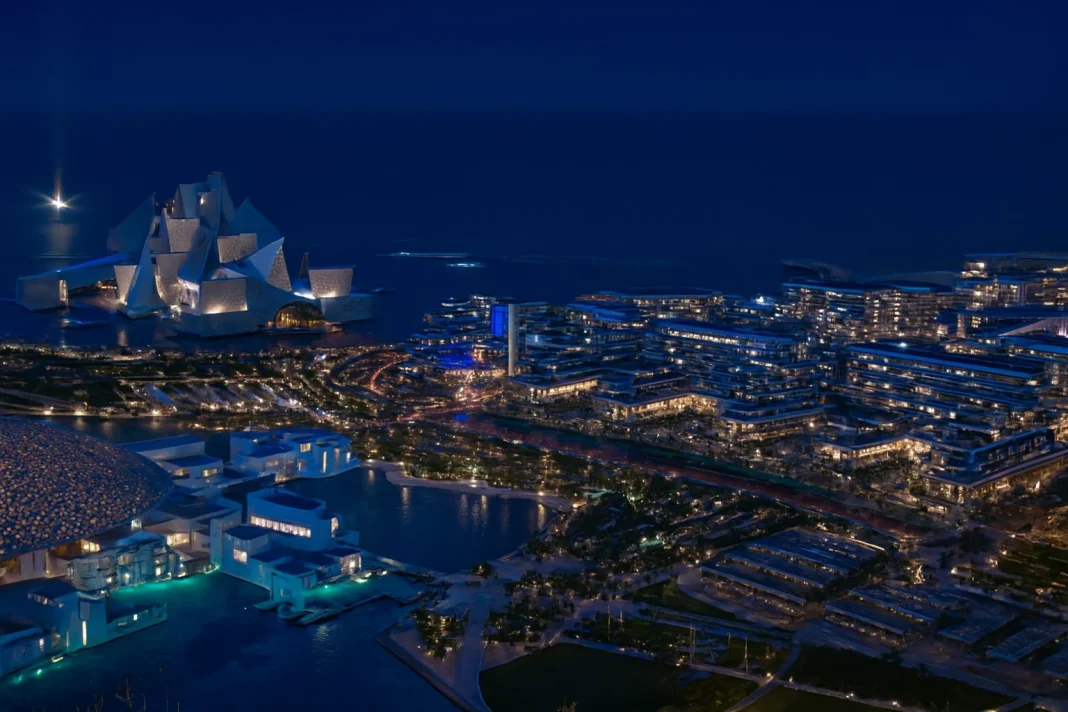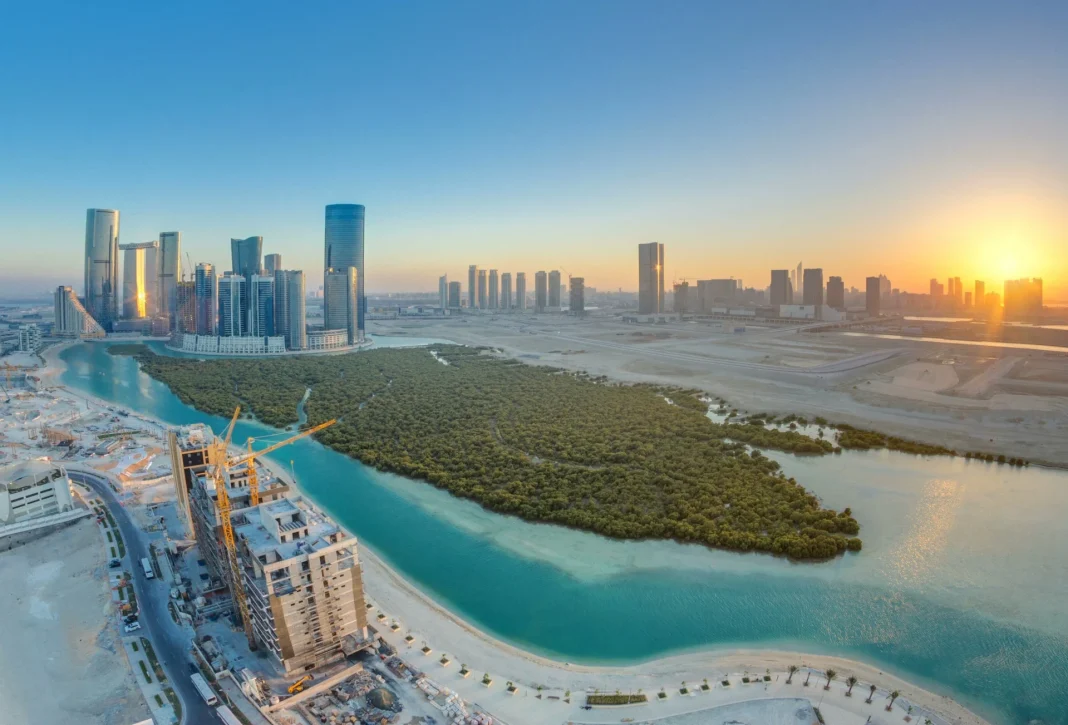


The old port of Mina Zayed is undergoing a radical transformation that makes it one of the most ambitious urban development projects in Abu Dhabi. Founded in 1968 as a driving force of maritime commerce, this strategic enclave ceased operating as a commercial port in 2012, when operations were relocated to the modern port of Khalifa.
Now, an investment exceeding 3.2 billion euros is converting these abandoned facilities into a cultural and residential design district. The old cranes and warehouses coexist with luxury skyscrapers, art galleries and industrial lofts that attract international investors seeking returns exceeding 8% annually.
From Fishing Port to Contemporary Design Epicenter
The regeneration strategy includes the construction of over 12,000 homes distributed in residential towers that will offer panoramic views of the Persian Gulf. Additionally, the project encompasses 535 hectares of the old port complex, an area equivalent to more than 750 football fields that will be completely transformed.
The architectural design is committed to preserving industrial heritage through the conversion of historic structures into high-end lofts. For this reason, century-old cranes and cargo buildings will be integrated into the new urban landscape as decorative and functional elements. Thus, Mina Zayed combines historical memory with avant-garde architecture.
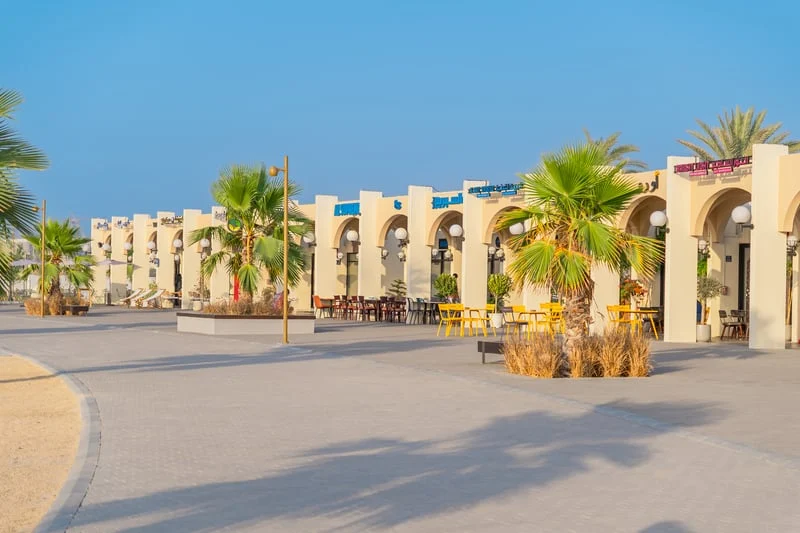
The masterplan includes a waterfront promenade of several kilometers, chef-driven restaurants and cultural spaces that seek to attract both residents and tourists. However, the authorities prioritize sustainability through green areas, bike lanes and efficient public transportation systems that will reduce dependence on private vehicles.
Real Estate Opportunities and Projected Returns
The Mina Zayed market captures investors’ attention due to its appreciation potential, with analysts estimating increases exceeding 40% in five years. The current offer includes:
- Compact studios from 850,000 euros with design finishes
- Two-bedroom apartments between 1.2 and 1.8 million euros
- Penthouses with private terraces exceeding 2.5 million euros
- Industrial lofts in converted historic buildings from 1.5 million
Rental returns are between 8% and 9% annually, figures much higher than traditional European markets. On the other hand, demand comes mainly from expatriate professionals seeking to live in central areas with premium services and international connectivity.
Additionally, the Emirati government facilitates residence visas for foreign buyers, eliminating bureaucratic barriers. Thus, Mina Zayed consolidates itself as a strategic option for diversifying global real estate portfolios with assets in the Middle East.
Privileged Connectivity with the Rest of the Capital
The location of Mina Zayed in northeastern Abu Dhabi gives it strategic advantages that are difficult to match. It is just 15 minutes by car from the financial district and less than 20 minutes from the international airport, facilitating resident and visitor mobility.
The authorities are investing in improved road connections and expansion of public transportation. For this reason, new bus lines and possible metro stations will facilitate access to the district without the need for a private vehicle. Additionally, underground parking facilities with capacity for thousands of vehicles will be constructed.
The project includes wide pedestrian areas and spaces for bicycles that promote a healthy lifestyle. However, urban integration with adjacent neighborhoods such as Corniche and Al Maryah Island reinforces Mina Zayed’s role as a key piece in the metropolitan transformation toward a more compact and livable city.
Economic Impact and Sustainable Job Creation
The transformation of Mina Zayed will generate over 25,000 direct and indirect jobs in construction, hospitality, retail and cultural services. Therefore, this project becomes a fundamental economic engine for Abu Dhabi’s diversification beyond oil.
The authorities are committed to attracting technology companies, design studios and creative startups through tax incentives and specific free trade zones. Thus, the district positions itself as an ecosystem conducive to innovation and entrepreneurship in emerging sectors such as the creative economy.
The recovery of historic spaces strengthens Emirati cultural identity, recalling the role this port played in the country’s economic development during the second half of the twentieth century. Additionally, the increase in tourist and residential supply will boost local consumption and consolidate a more balanced economic model for the coming decades.