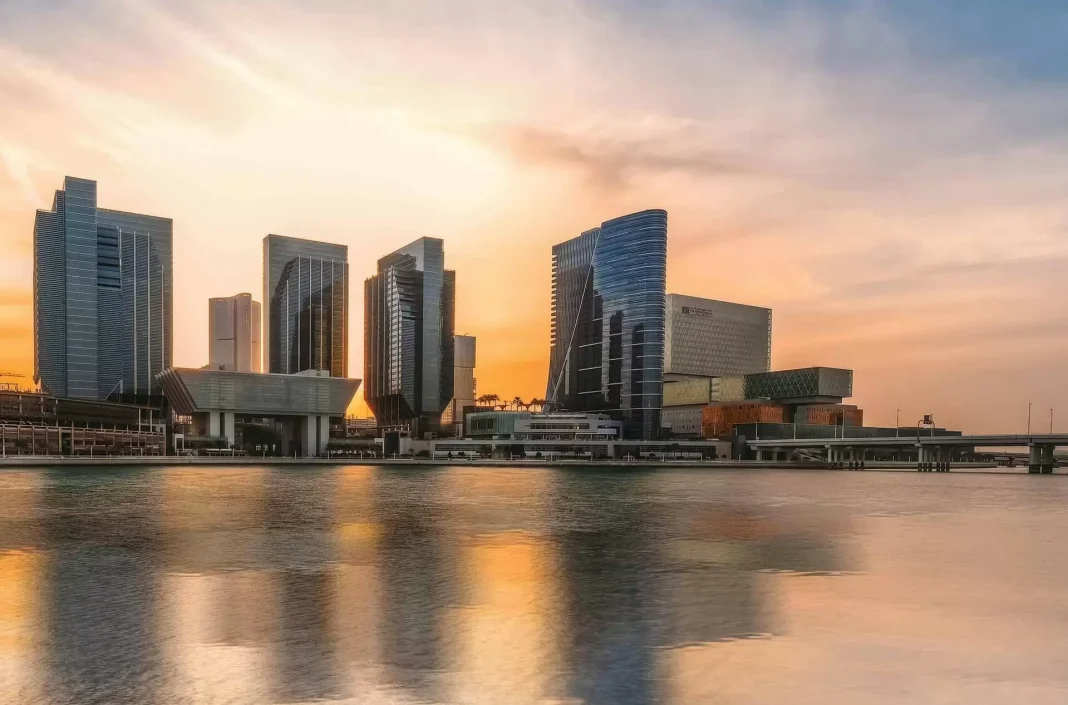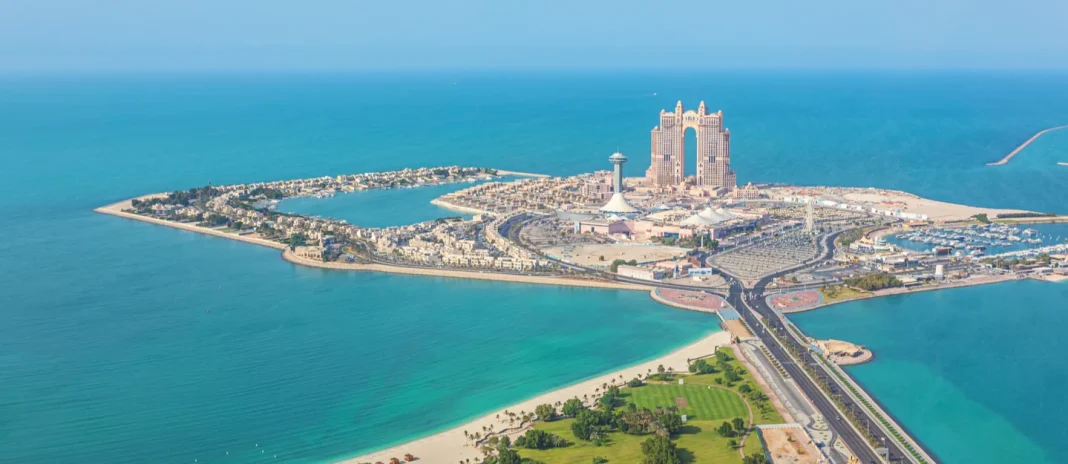


The first key to understanding the magnetism of Al Safa is its location, because it is a neighborhood that combines immediate access to the financial center and, at the same time, a refuge from the constant noise of the most touristy areas. Between main roads such as Sheikh Zayed Road and Al Wasl Road, the district is located in a kind of “golden corridor” that allows you to reach Downtown, Business Bay or Dubai Mall in a few minutes, without giving up a clearly residential environment. This balance between mobility and calm is what many international investors look for when they compare neighborhoods on the map and begin to rule out areas that are too saturated or still in development. Here, the infrastructure is already in place, the connections work and the land value does not depend on future promises, but on a solid and proven trajectory that provides long-term security.
Al Safa has also managed to maintain a human scale that sets it apart from other developments in Dubai, with a predominance of villas, townhouses and low-rise buildings instead of packed skyscrapers. The large plots, private gardens and the presence of extensive green areas create a very recognizable neighborhood feeling for the European buyer, who is used to avoiding extreme density and impersonal developments. Many recent projects have sought to integrate the landscape, opening views towards parks and the canal, and this reinforces the idea of an “urban resort” that is so attractive to those arriving from crowded cities such as Madrid, London or Paris. This mix of everyday exclusivity and nearby nature is, today, one of the district’s strongest selling points compared to other newer but less established areas in the Gulf’s economic capital.
WHY THIS NEIGHBORHOOD ATTRACTS SO MUCH CAPITAL
International capital is increasingly looking at Al Safa as a safe asset in the middle of Dubai’s noisy real estate market. It is not an experimental area or a phased project, but a consolidated neighborhood, divided into subcommunities such as Al Safa 1 and Al Safa 2, where streets, services and facilities have been operating normally for years. This maturity reduces the feeling of a blind bet and allows for the analysis of real data on occupancy, rental levels and market behavior, something that cautious investors especially value when comparing options. In addition, the constant demand from families and expatriates who want a home close to the center, but with peace and services, supports both rents and capital gains in the medium term.
Another key factor is that, unlike other luxury enclaves where almost everything revolves around second homes or tourism, everyday life clearly dominates in Al Safa. The presence of leading international schools, clinics, local shops and domestic services turns each home into a useful asset for the twelve months of the year, not only in peak seasons or periods of high tourism. This intensive use, with families who think in years and not weeks, reduces turnover and vacancy, which usually translates into longer contracts, more stable tenants and lower risk of non-payment. In an emirate where the headlines are dominated by megaprojects, this neighborhood functions as a discreet but solid safe haven for portfolios seeking a balance between profitability and capital protection.
A GREEN ENVIRONMENT IN THE MIDDLE OF THE DESERT
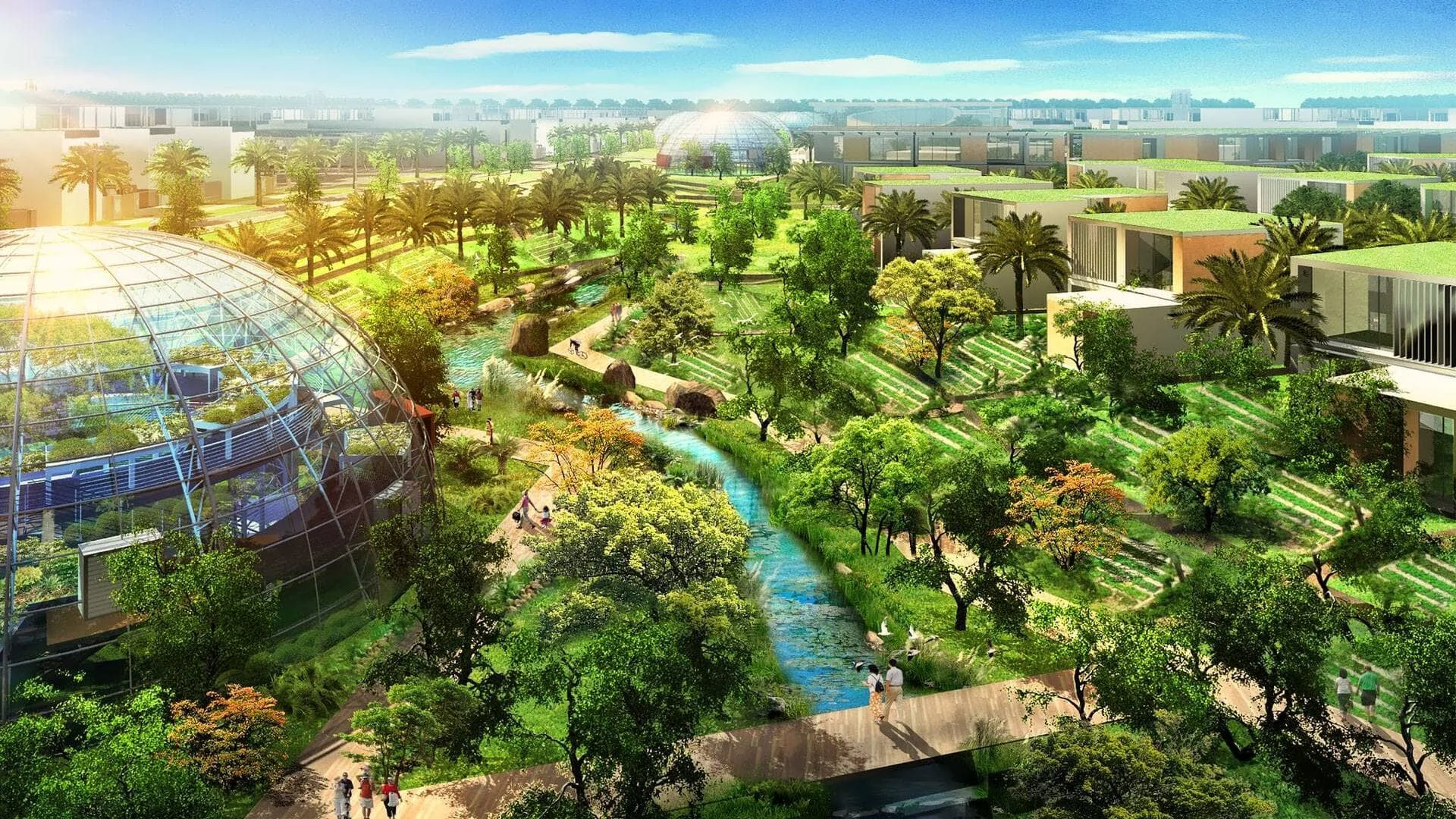
The emotional backbone of Al Safa is, without a doubt, its green dimension, with established parks that act as lungs and meeting points for residents of all ages. While much of Dubai is associated with glass, concrete and highways, here the everyday landscape includes well-kept lawns, water features, pedestrian paths and a network of playgrounds where life moves at a much slower pace. Families use these areas to stroll, exercise early, socialize with other residents and give children a safe space to move around without the stress of heavy traffic. This everyday greenery, so rare in the collective image of the Gulf, is one of the reasons why many European buyers immediately feel connected to the area when they visit for the first time.
From an investor’s point of view, the existence of established parks and landscape corridors is much more than an aesthetic extra, because it helps sustain property values in the long term. Homes with open views, direct proximity to green areas or easy access to pedestrian walkways tend to be positioned in the higher price range and also resist market corrections better when the cycle cools down. It is no coincidence that new residential projects try to orient themselves towards this urban nature, integrating large terraces, private gardens and big windows to maximize the connection with the outdoors. In a context of extreme heat for several months of the year, having a well-managed green environment also becomes a wellbeing factor that weighs as much as the interior square meters.
AL SAFA, A RESIDENTIAL AREA WITH A FAMILY SOUL
Although the headline refers to international capital, daily life in Al Safa is mainly shaped by the families who have chosen this neighborhood to put down roots, raise children and build a stable routine. Much of its appeal lies in the combination of well-regarded international schools, nearby clinics, quality supermarkets and a network of small businesses that serve residents without the need for long trips. This proximity of services reduces commuting times, makes work-life balance easier and generates a neighborhood life where everyone ends up running into each other in the park, the café or at the school gate. This everyday sociability reinforces the sense of community, something that many expatriates and European investors especially value when considering moving with their whole family to the Gulf.
On the residential side, the area is dominated by multi-bedroom villas, many with gardens and private pools, as well as gated townhouse communities that offer extra security and centralized maintenance. This mix makes it possible to serve both large families and young couples with growth expectations, creating a very diverse demand base that is resilient to economic swings. Unlike other parts of Dubai that focus on studios and compact apartments aimed at speculative investors, here the core product is homes where people truly live, with space to work from home and receive visitors. This family-oriented vocation also shapes the general atmosphere: less nightlife noise, more daytime activity and a clear priority for safety and tranquility in the streets.
PROFITABILITY AND CAPITAL GAINS IN THE MEDIUM TERM
When Al SAFA is analyzed as an asset, not just as a place to live, the equation combines competitive rental income with a reasonable expectation of appreciation over several years. Being practically surrounded by consolidated communities and major infrastructure, the room for new residential plots is limited, which tends to support the price per square meter in the long term. Added to this is a constant demand from mid-to-high-income tenants, linked to sectors such as finance, energy, technology or aviation, who value getting quickly to their offices without sacrificing the quality of the environment where they sleep. For owners, this translates into less turnover, longer contracts and lower downward pressure on rents, even in the less euphoric phases of the cycle.
At the same time, new high-end developments appearing in the area act as value catalysts for the existing stock, raising the architectural and service standards. Projects with hotel-style amenities, wellness areas, panoramic pools and more avant-garde designs are integrated into an already mature fabric without displacing its residential essence, often creating a knock-on effect on the rest of the assets. For international investors, this mixed context —classic and new, villas and luxury apartments— allows diversification within the same district, combining properties with stable rental income and bets on higher appreciation linked to design. All this in a regulatory framework that continues to favor the entry of foreign capital into Dubai’s real estate market, with relatively agile procedures and clear ownership structures for overseas buyers.
COMFORTABLE DAILY LIFE FOR EXPATS
For those considering moving to Dubai and making Al Safa their base, daily life is defined by something as simple as it is valuable: logistics work and almost everything is within manageable distances. The network of roads surrounding the neighborhood provides quick connections to the main office hubs, while trips to shopping centers, hospitals or leisure areas rarely turn into traffic marathons if the timing is chosen well. Many residents highlight precisely that feeling of having everything “at hand”, without needing to change community every time a new need arises, from an after-school activity to a medical appointment. This convenience reduces friction in the adaptation process for families arriving from other countries and softens the typical culture shock of the first months in the Emirates.
On the social side, the mix of nationalities is another major attraction, as it makes it easy to integrate into a very diverse network of contacts without losing a certain familiarity in habits and rhythms. The presence of international schools and European, Asian and Arab communities encourages the creation of informal support networks, from families sharing school transport to professional networking groups among neighbors. Parks, cafés and small restaurants act as natural meeting points, where it is easy to strike up conversations and start building a sense of belonging, something essential when you arrive in a new country with children and high expectations. For many expatriates, that feeling of a “soft landing” weighs as much as, or more than, any hard data on profitability when they choose where to rent or buy within Dubai’s mosaic of neighborhoods.
KEYS TO CHOOSING A HOME IN THE AREA
When choosing an asset in Al Safa, it is worth starting with a basic decision: stand-alone villa, townhouse in a compound or apartment in a new-generation building. Each typology responds to a different profile of use and risk, since villas offer maximum privacy and generous plots but require a higher budget and direct responsibility for maintenance, while townhouses and gated communities reduce that burden in exchange for a more community-based lifestyle. Apartments, for their part, tend to attract young residents or investors who prioritize future liquidity and a lower entry ticket, especially in buildings with good services. Defining the purpose of the purchase —to live in, to rent long-term or to sell in a few years— is the filter that should guide the type of property and the micro-location within the neighborhood.
The next step is to look closely at the combination of views, noise and real access to services, because in an already consolidated district small changes from one street to another can mean big differences in quality of life. Properties close to parks, with façades facing green areas or inner courtyards, tend to perform better in both rental and resale markets than those directly exposed to traffic on the major perimeter roads. It is also advisable to check the real proximity to schools, medical centers and transport hubs, thinking about who will live there and how they will move in their daily routine, beyond the perfect picture in the listing. With this calm analysis, Al Safa ceases to be just an attractive name on the map and becomes a concrete setting where tranquility, real life and solid returns can be combined for the most demanding international capital .