

Who said that living in one of the most opulent capitals on the planet demanded paying a prohibitive toll for every weekend plan? The old idea that intelligent leisure is reserved only for the wallets of passing tourists has just been blown apart in the Persian Gulf.
The decision to open the most exclusive art districts at no cost proves that public management seeks to exchange speculation for identity. Local families now find financial relief that completely transforms the urban routine within Abu Dhabi.
The strategic turnaround revolutionizing the Saadiyat Cultural District
Maintaining an active family agenda in a hyper-tech urban environment usually leaves bank accounts shaking at the end of the month. The big surprise this season has been the temporary suspension of admission fees in the capital’s most prestigious galleries.
This campaign to democratize public spaces aims to combat domestic isolation by facilitating free access to visual education and global history. Those who permanently reside in the emirate see this move as real recognition of their role in the country’s economic fabric.
How the free pass to Louvre Abu Dhabi transforms family savings
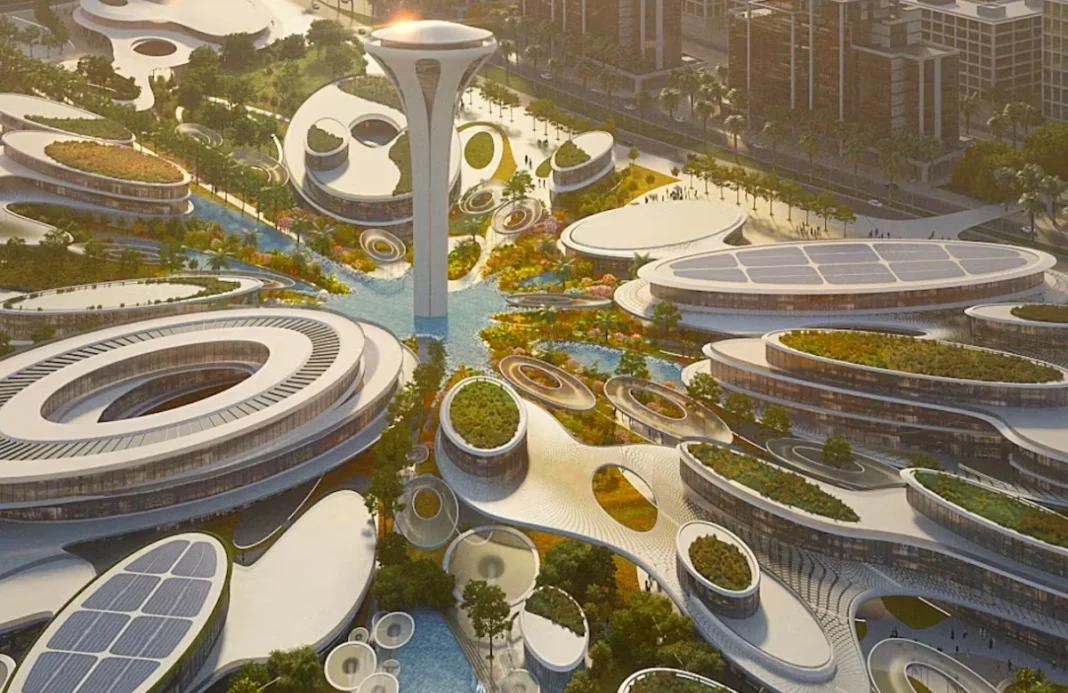
Regularly visiting historic international collections is no longer an exclusive luxury reserved for special occasions or high corporate budgets. Now any citizen with official identification can stroll under Saadiyat’s floating dome and enjoy the Louvre Abu Dhabi on a recurring and free basis.
The integration of the community into avant-garde circuits is a priority for the government of Abu Dhabi, ensuring that world heritage acts as a true nexus for daily social cohesion. The direct economic benefit is clear if we calculate the accumulated cost previously borne by a family of four on any given Sunday.
The financial impact of the Welcome Museum initiative on the household economy
Doing the math at home has become a much friendlier task thanks to the fee exemption at the emirate’s three major art galleries. With a ticket price that used to hover around forty-three euros per adult for the full circuit, the reduction brings direct relief to workers’ pockets.
The budget that previously evaporated at the ticket booths is now redistributed toward local commerce, regional hospitality, and internal transport. The move not only gives breathing room to household finances but also revitalizes the commercial areas adjacent to historical centers.
The new paradigm of urban well-being in the United Arab Emirates
The strategy of replacing superficial ostentation with an offering of high-quality cultural public services redefines what we understand by quality of life in major metropolises. It is not all about building endless skyscrapers, but about providing real and accessible content for the ground residents walk on.
World-class infrastructures perform much better when they are inhabited by the civil population itself that gives life to the region’s service sector. This model of internal revitalization sets a precedent that the rest of the neighboring capitals are already watching closely.
| Type of Cultural Access | Previous Fee (AED) | Current Cost 2026 (AED) | Benefit for the Resident |
|---|---|---|---|
| Saadiyat Individual Pass | 170 | 0 | Direct financial savings for leisure |
| Under 18 Admission | 0 | 0 | Guaranteed educational access always |
| Family Workshops | 50 | 0 | Artistic training without payment barriers |
The consolidation of a sustainable leisure model for the coming decades
The future of urban integration relies on consolidating these oases of knowledge as free and stable long-term neighborhood meeting points. Sector experts predict that these types of tax and ticket exemptions will remain structurally operational over the coming years.
My advice as a specialist is to take advantage of these months of total free admission to design unhurried educational itineraries with the youngest members of the household, away from fast consumption. Building a society with solid foundations requires that beauty and collective memory stop being an unattainable luxury item.