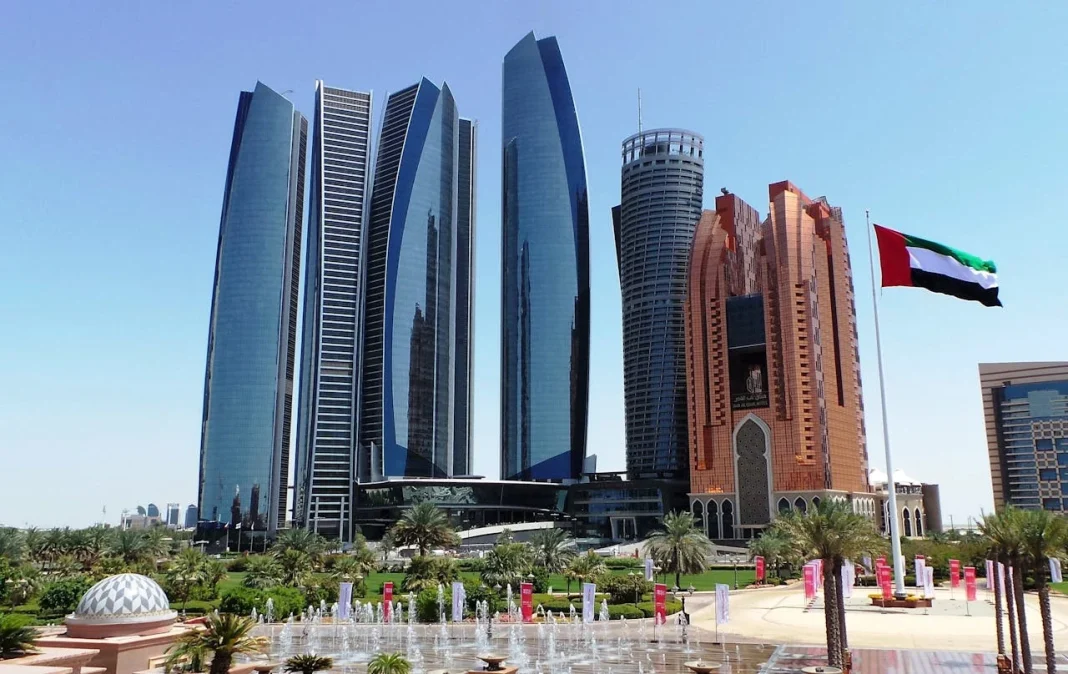



Is it sensible to put your money into Middle Eastern brick and mortar just as prices seem to have hit the roof? The construction fever surrounding Dubai has become the focus of all financial eyes on the planet, sparking an intense debate between those who see an oasis of profitability and those who fear a historic crash.
Official numbers leave no room for guesswork, confirming that global real estate transactions in the region have surpassed the barrier of 917 billion dirhams. This massive injection of foreign capital forces us to closely examine the internal mechanisms of an economic phenomenon that challenges traditional Western dynamics.
The origin of the current boom in the Persian Gulf and the role of Dubai
The urban landscape of the region is transforming at a speed that makes traditional analysts dizzy, driven by a zero-tolerance policy towards bureaucracy. Much of this dynamism is concentrated in Dubai, attracting both large tech corporations and independent professionals seeking to optimize their wealth.
Legal reforms introduced recently have changed the rules of the game, allowing home acquisition to act as a direct passport to long-term residency. This loyalty strategy has consolidated a buyer base that no longer looks for quick speculation, but rather a permanent home.
Market maturity and new real estate investment guarantees
To understand the current scenario in the Dubai ecosystem, it is vital to analyze how local regulators have designed a buyer protection framework that is much stricter than in the crises of past decades. The escrow account ensures that the funds of each project are used exclusively for its actual construction.
This maturity has transformed the profile of the average buyer, raising real estate investment to unprecedented levels of institutional sophistication. The most sought-after districts, reflected in portals specialized in the Dubai market, show a clear shift in trend where purchases are mostly made with equity rather than bank financing.
Yields versus risks of overheating in the sector
The net rental yield in premium residential areas remains firmly within a range fluctuating between 6% and 8% annually. These percentages far exceed the metrics of major European capitals, consolidating the region as a magnet for private wealth fund managers.
Despite voices warning about the volume of housing projected for the coming years, the absorption of supply remains backed by real demographic growth. The constant arrival of new residents effectively mitigates the risk of paralysis in residential complex occupancy.
Comparative analysis of stability against the international market
Many European investors look toward the Persian Gulf horizon seeking a geographical diversification that protects them from fluctuations in their countries of origin. The absence of direct taxes on property income acts as an accelerator of net capital return.
Regulatory stability stands as the main competitive advantage over traditional Western markets, which are subject to unforeseen changes in housing matters. This legal certainty is what tips the scale for those managing cross-border Real estate investment portfolios.
| Market Indicator | Trend in Dubai | Impact for the Investor |
|---|---|---|
| Average net yield | Between 6% and 8% annually | Higher return than Europe |
| Type of transactions | Cash predominance | Resilience to interest rates |
| Buyer profile | End user and resident | Stability against speculation |
| Regulatory framework | Mandatory Escrow accounts | Maximum off-plan security |
The future of the sector in Dubai and analyst projections
The trend for the coming months points toward a healthy stabilization of prices, definitively driving away the ghosts of an abrupt correction in the sector. In Dubai, a clear selectivity is observed on the part of buyers, who now penalize mediocre projects and reward construction quality.
Expert advice is clear: prudence must guide every operation, focusing efforts on consolidated areas with high internal demand. Developing a Real estate investment strategy based on real data and local advice remains the key to turning desert brick into a true gold haven.