

Can a desert city become the global benchmark for the most sustainable tourism on the planet? Al Ain is answering that question with facts: in 2026, this millennial oasis in Abu Dhabi has been proclaimed the Arab Tourism Capital, a recognition that comes accompanied by an unprecedented transformation plan.
The engine of this change is an injection of 3 billion dollars in green bonds captured by Abu Dhabi to finance climate tourism infrastructure. It is not a political promise: it is real capital that is already reshaping hotels, natural routes, and the tourism ecosystem of the entire region.
Al Ain, the Garden City that defies the desert
Al Ain has been inhabited for more than four thousand years, and that historical weight is precisely what makes it a unique asset within the United Arab Emirates. Its oases, its aflāj (underground irrigation channels), and its fortresses are recognized by UNESCO as World Heritage, a seal that few destinations in the Gulf can boast.
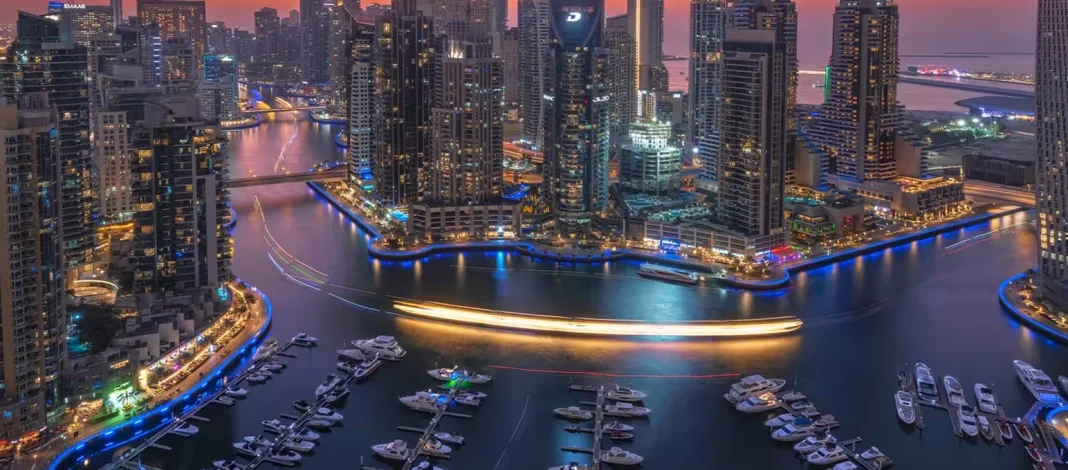
The city does not compete with Dubai in skyscrapers or with Abu Dhabi in Formula 1 stadiums. Its bet is different: nature, silence, and cultural authenticity in an environment where premium tourists seek experiences that money cannot manufacture overnight. This positioning is its greatest competitive advantage.
The 3 billion that are changing Al Ain
The Arab capital status has acted as a financial detonator. The plan for Al Ain as Abu Dhabi’s star destination includes a direct reimbursement scheme of 17% on investment for hotel owners who rehabilitate their establishments under criteria of energy efficiency and heritage value, a lever that the sector had been demanding for years.
Ecotourism is the backbone of the entire model: every dirham invested in Al Ain must meet net-zero emission standards and contribute to the conservation of the oasis ecosystems. Abu Dhabi is not building another luxury resort; it is constructing a regenerative tourism laboratory that the rest of the Arab world is watching closely.
Jebel Hafit and high mountain ecotourism
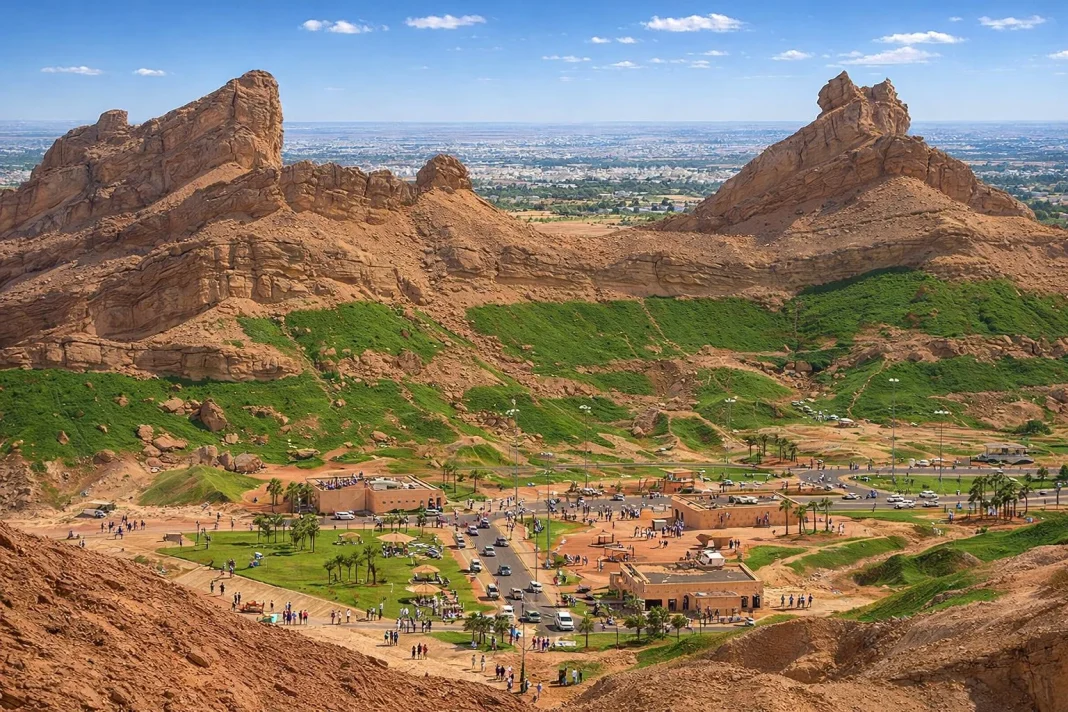
Jebel Hafit, at 1,249 meters high, is the tallest peak in the emirate and one of the great protagonists of Al Ain’s active ecotourism plan for 2026. The new hiking trails and panoramic viewpoints under construction will turn this summit into an essential destination for travelers seeking more than just beaches and shopping malls.
Temperatures at Jebel Hafit are up to 10 degrees lower than on the plains, making it an extraordinary natural climatic resource in a region where extreme heat is the main deterrent to high-season tourism. Al Ain is turning this geographical asset into its most differential selling point against coastal metropolises.
Data on Al Ain’s tourism takeoff
In 2025, Al Ain received 473,077 guests with a 9% year-on-year growth, according to official data from the Abu Dhabi Department of Culture and Tourism. RevPAR—revenue per available room—grew by 17% to 204 AED, demonstrating that the visitors arriving already have a higher purchasing power profile.
The ecotourism and Arab capital plan aims to accelerate that curve: the UAE 2031 national tourism strategy aims to attract 40 million annual guests to the country’s hotels and for the sector to contribute 450 billion dirhams to GDP. The commitment to Al Ain as a high cultural value inland destination is a key piece of that puzzle.
| Indicator | 2025 Data | 2026 Projection |
|---|---|---|
| Guests in Al Ain | 473,077 | +9% estimated |
| RevPAR (revenue/room) | AED 204 (~$55) | Sustained growth |
| Hotel occupancy | 66% | Improvement with new investments |
| Investor reimbursement | 0% | Up to 17% with “Al Ain Plan” |
| Abu Dhabi green investment | 1.5 billion USD (2025) | 3 billion USD (2026) |
Al Ain in 2031: the future of sustainable tourism in the Gulf
The trend is irreversible: climate tourism and high-value-added ecotourism are the only viable bets for destinations that want to differentiate themselves in a global market saturated with similar proposals. Al Ain has what many destinations aspire to build and cannot—millennial authenticity, unique landscapes, and unlimited institutional support—and that is a winning combination in the long term.
For the investor or traveler who hasn’t yet put Al Ain on their radar, the advice is clear: the next three years will be the optimal window to take advantage of the ongoing transformation before prices reflect the destination’s new status. Luxury ecotourism in the desert is no longer a contradiction: it is the business of the 21st century.