

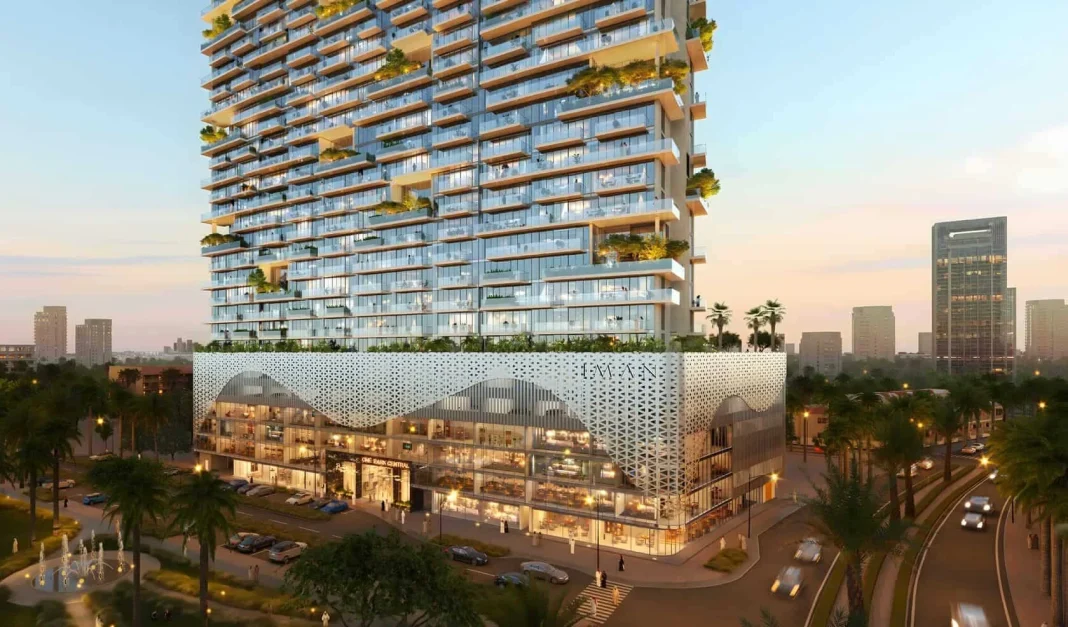
The impact of an Iranian drone against the Address Creek 2 residential tower has caused significant structural damage in Dubai Creek Harbour and forced the immediate closure of the emirate’s airspace. This direct attack against high-level civilian infrastructure represents the most serious escalation in the regional conflict to date, compromising the security of Dubai’s main financial and logistical hubs after the detection of multiple incursions in residential areas.
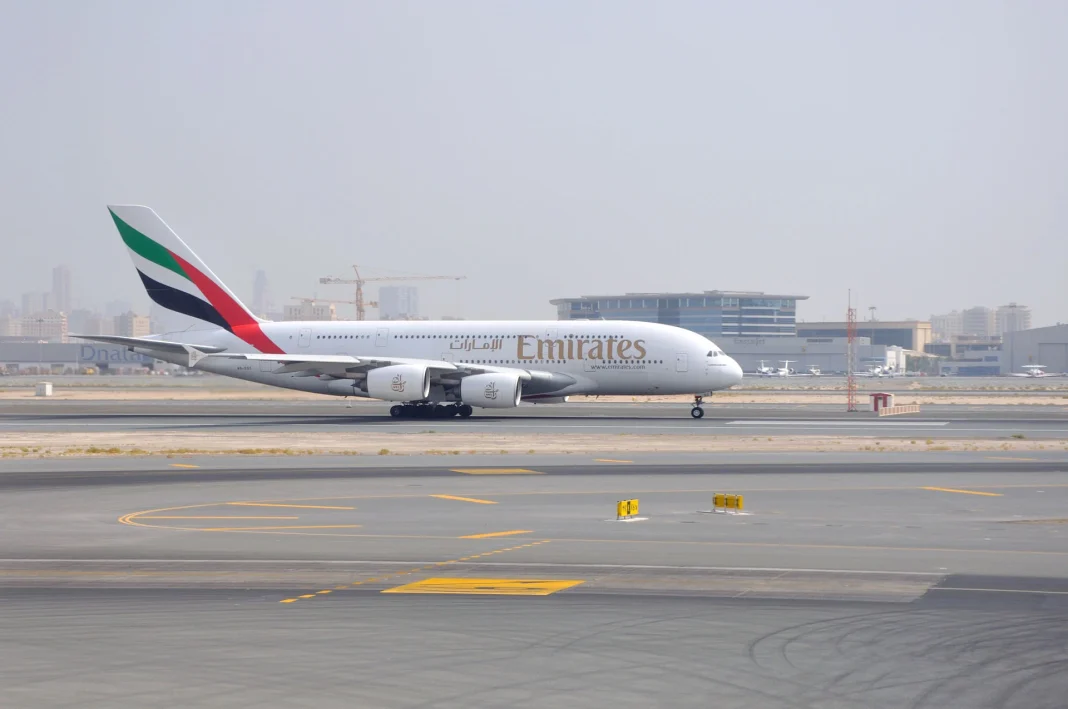
Civil aviation authorities have confirmed the total suspension of operations at the International Airport following the diversion of more than one hundred commercial flights due to the presence of unmanned aircraft on approach routes. This technical paralysis not only affects thousands of passengers but also has a critical impact on air traffic throughout the Middle East, forcing airlines to declare an operational emergency while air defenses attempt to neutralize new targets over the city’s strategic districts.
Dubai’s sky under the shadow of war
The tranquility of residents was shattered early this morning when sirens began to sound in the most important financial districts while air traffic remained suspended. The International Airport has been forced to divert more than one hundred flights to Saudi Arabia due to the detection of multiple unmanned aircraft flying over the main runways.
This interruption not only affects travelers trapped in the terminals but also directly hits the logistical flow of a city that depends entirely on its global connectivity. Uncertainty is gripping the markets as local airlines attempt to manage a crisis of mass cancellations that already extends across the entire Middle East region.
Effects of the impact on luxury infrastructure
The attack targeting the luxury tower does not appear to be a miscalculation but a strategic message regarding the vulnerability of the emirate’s most prized assets. Emergency teams worked for hours to control the fire generated by the drone strike while authorities cordoned off surrounding areas to prevent accidents from falling debris in Dubai.
The iconic architecture of Dubai now faces a challenge it was not originally designed for, despite having the best civil protection measures available. The visual impact of a damaged glass tower on social media has generated a wave of panic among international investors who until recently saw this destination as a safe haven in the Middle East.
Regional air traffic paralysis
It is not just about a damaged building but the total disconnection of a vital hub for international civil aviation that connects East and West every day. Tracking data shows a worrying void in the airspace over the Persian Gulf where hundreds of commercial aircraft previously operated at intervals of just a few minutes.
The situation in the Middle East has escalated to a point where the risk to commercial flights is considered unacceptable by most European and Asian companies. This forced economic paralysis is causing an immediate increase in transport insurance prices and threatens to undersupply key markets that depend on rapid delivery.
Escalation of tensions and citizen security
The government has increased surveillance on main arteries such as Sheikh Zayed Road, where shrapnel from previous interceptions has fallen onto vehicles and pedestrian areas. The civilian population has received clear instructions to remain in shelters or inside robust buildings until the threat of further attacks is neutralized by anti-aircraft batteries.
The resilience of Dubai is being tested on a day that many compare to the darkest moments of past conflicts, albeit with much more sophisticated attack technology. The absolute priority of the security forces is now to shield residential perimeters and ensure that critical infrastructure for desalination and energy remains operational under all circumstances.
| Impact Factor | Current Situation | Emergency Measure |
|---|---|---|
| Air Traffic | Temporary total closure | Diversion to neighboring airports |
| Real Estate | Damage to luxury towers | Resident evacuation |
| Logistics | Port delays | Maximum alert at Jebel Ali |
| Tourism | Mass cancellations | Refunds and route changes |
Forecasts for Dubai’s commercial future
Despite the immediate impact, the city’s real estate and financial market has historically shown an astonishing recovery capacity following the sharpest regional crises. Experts suggest we will see massive investment in cutting-edge laser defense systems to specifically protect skyscrapers and high-density population areas.
The future of the Middle East will depend on the ability of international actors to stabilize the conflict before the damage to civilian infrastructure becomes irreversible. The advice for residents and businesses is to maintain operational calm and strictly follow official information channels to avoid unnecessary alarmism that only benefits those seeking to destabilize the region.