

The security architecture in the Arabian Peninsula is undergoing a period of profound restructuring due to the volatility of regional actors and asymmetric threats. The government of the United Arab Emirates has increased alert levels in its main critical infrastructures, with a priority focus on the logistical hubs of Abu Dhabi and Dubai, which act as vital arteries for global trade and passenger transport between East and West.
This decision responds to a proactive defense doctrine aimed at shielding the country’s economic stability. Historically, the region has managed tensions through a combination of high-level diplomacy and advanced air defense capabilities. In the current context of 2026, protecting assets in Dubai is fundamental to maintaining international investor confidence and the continuity of supply chains that depend on the operational efficiency of its terminals.
Surveillance protocols in critical transport infrastructure
The General Civil Aviation Authority (GCAA) has implemented long-range detection systems to monitor the airspace surrounding Dubai uninterruptedly. These measures include the integration of artificial intelligence for the early identification of unconventional risk vectors that could compromise the security of ground and air commercial operations.
The tactical deployment includes close coordination between defense forces and civilian operators in Dubai. Dynamic exclusion perimeters have been established, and the cybersecurity of air traffic control systems has been reinforced to prevent external interference that could alter international flight schedules in this complex geopolitical situation.
Impact on commercial traffic and investment flows in Dubai
Dubai’s stability is a thermometer of the region’s economic health, directly influencing the value of financial assets and the cost of maritime and air transport insurance. According to recent reports from international organizations, any alteration in the perception of security in Dubai generates immediate fluctuations in energy and logistics futures markets.
Geopolitical analysts suggest that the resilience of Dubai’s infrastructure has allowed it to buffer the impact of external crises. Local authorities have issued statements ensuring that the flow of passengers and goods in Dubai remains within normal parameters, despite the tightening of border and technical controls.
Air defense strategies and regional coordination
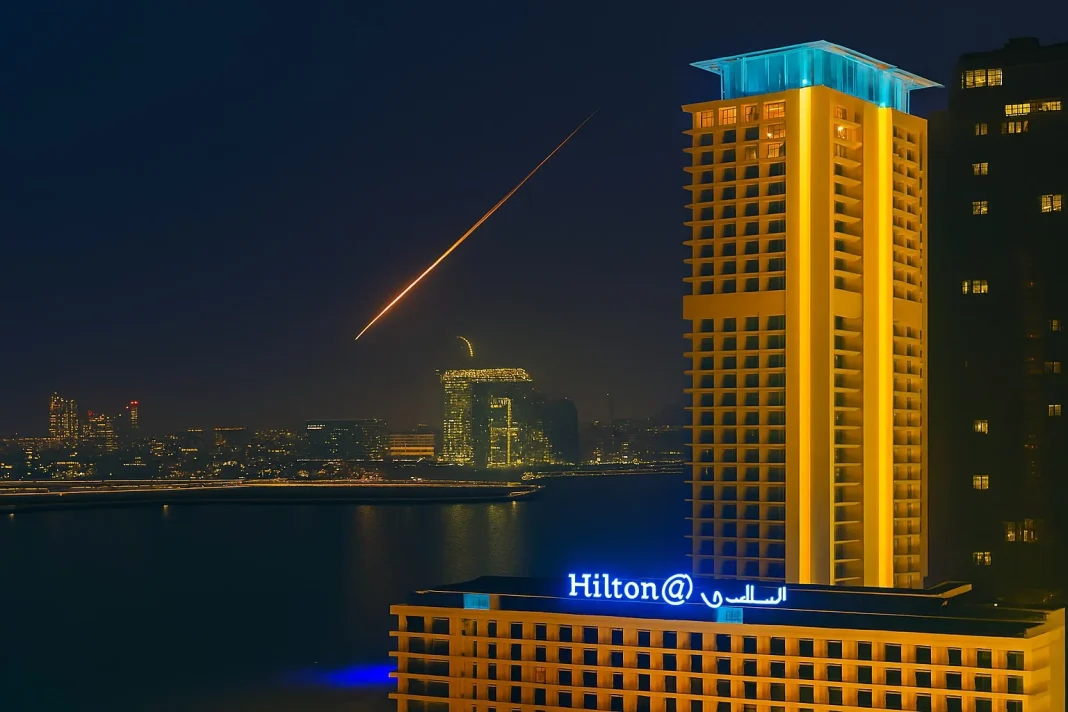
The strengthening of THAAD and Patriot interception systems in the vicinity of Dubai underscores the State’s commitment to protecting its economic sovereignty. These systems operate in a network with regional allies to create a security bubble that minimizes vulnerabilities to projectiles or unmanned craft traveling toward Dubai’s airspace.
Technical cooperation between intelligence agencies allows Dubai to anticipate risk scenarios before they materialize into direct threats. This preventive approach has been key to ensuring that the tourism and business sectors in Dubai do not suffer significant retractions during the peaks of diplomatic tension recorded in the last quarter.
| Technical Indicator | Value / Status 2026 | Year-on-Year Variation |
|---|---|---|
| Operational Security Index | 98.4% | +0.5% |
| Investment in Air Cyberdefense | $4,200 M | +12% |
| Cargo Traffic in Dubai | 2.8M Tons | +3.2% |
| Average Response Time | < 120 seconds | -15s |
Operational resilience at UAE airports
The operability of air terminals in Dubai is based on redundant contingency plans that ensure activity even in high-alert situations. The training of specialized personnel in crisis management has been a priority in Dubai, guaranteeing that evacuation protocols and technical responses are executed with pinpoint accuracy.
Furthermore, the diversification of approach routes to Dubai allows for flexible airspace management, reducing the exposure of commercial flights to potential friction zones. This capacity for logistical adaptation consolidates Dubai as a safe haven for global flag carriers operating in the Middle East hub.
Analysis of Repercussions and Structural Impact
The strengthening of security in Dubai sets a precedent in crisis management for economies highly integrated into globalization. The UAE’s ability to isolate its economic engines from regional conflict demonstrates an institutional maturity that redefines the balance of power in the Gulf. In the long term, the robustness of Dubai’s defenses not only protects lives and infrastructure but also guarantees the emirate’s position as the undisputed nerve center of transcontinental trade. The structural impact of these measures ensures that Dubai remains a stable and predictable actor within an increasingly fragmented international order, where physical security and legal certainty are inseparable assets.