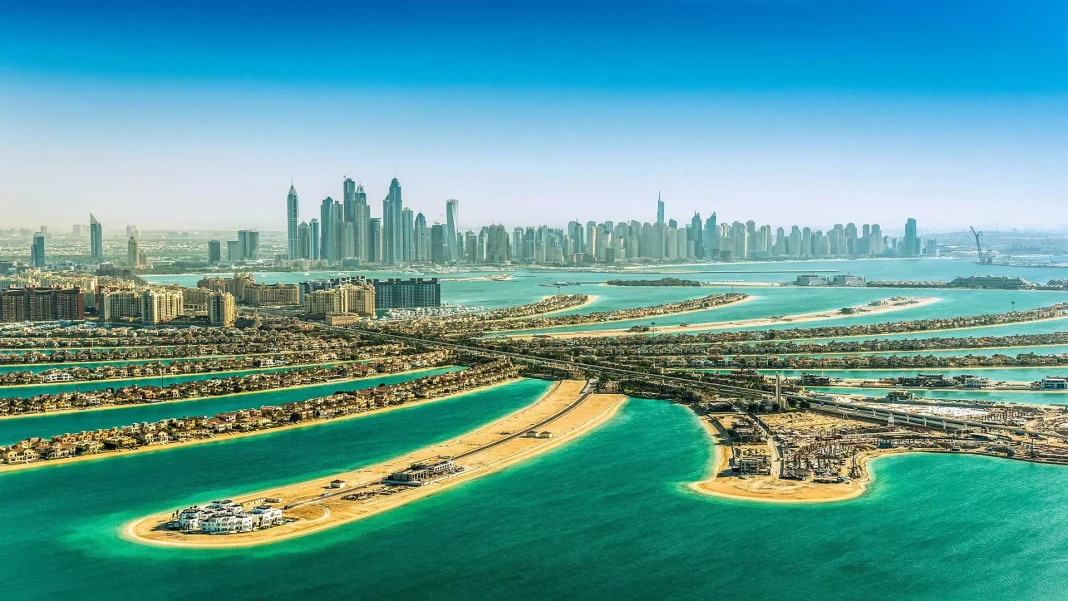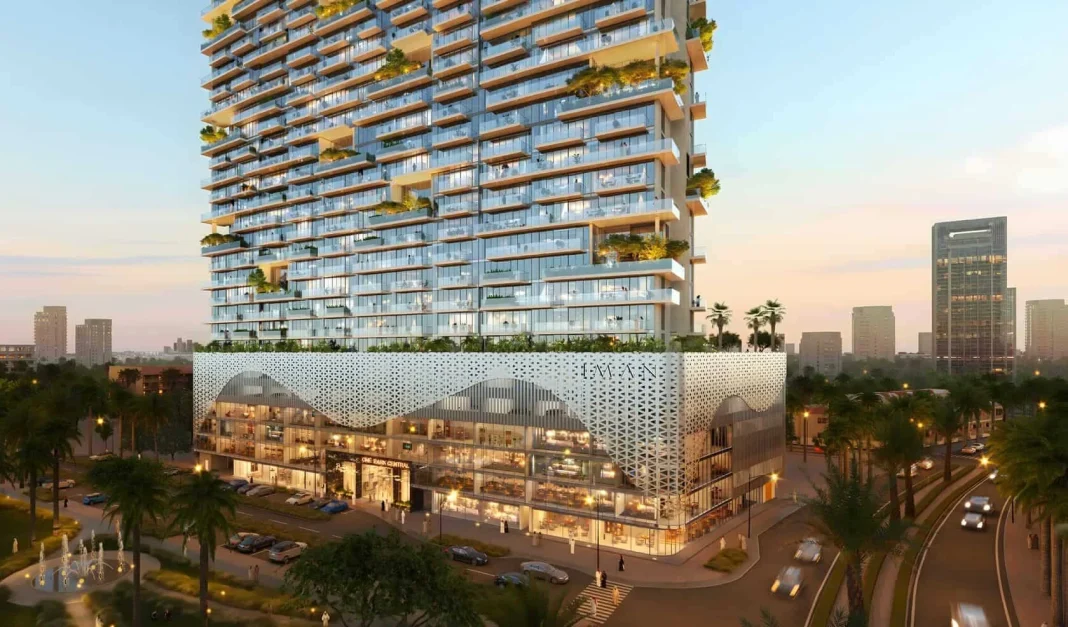


Dubai has ceased to be an endless desert of cranes and has become a chessboard where every move counts. If you are reading this from a café in Madrid, you probably already know that real estate investment here offers tax conditions that in Europe sound like science fiction, but the challenge now is choosing between the steady drip of dividends or the big leap in value.
The maturity of the market in 2026 forces us to separate the wheat from the chaff with almost surgical precision. It is no longer about buying bricks, but about buying time or buying income, depending on whether your goal is early retirement or aggressive growth of your wealth in the Persian Gulf.
The investor’s dilemma in Dubai: Rental income or appreciation?
The market has irreversibly forked, and understanding this split is the first step toward not burning capital. On one side, we have cash flow, that monthly cash flow that comes from renting turnkey apartments in consolidated areas. This is the preferred option for those seeking real estate investment with low risk and high visibility, ideal for offsetting European inflation.
On the other side, long-term appreciation hides in projects on paper or “off-plan” in the southern and eastern expansions of the city. Here, the game is different: you buy a price per square meter today that, according to Dubai’s projections at the end of the decade, should be about 30% higher thanks to new logistics and airport infrastructure.
Cash flow zones: Where rent rules in Dubai
If your priority is to see money in your account every month, districts such as Jumeirah Village Circle (JVC) and Business Bay remain undisputed kings. In JVC, demand from middle‑class professionals is insatiable, allowing net yields that approach 8%. It is a zone where vacancy is almost nonexistent, crucial for keeping a real estate investment sane and free of financial surprises.
Business Bay, for its part, has solidified as Dubai’s executive heart. Here, short-term rentals for digital nomads and foreign executives allow you to squeeze even more cash flow. Do not expect these buildings’ prices to double in three years, but you can sleep easy knowing the rental market is an engine that never shuts down in these coordinates.
The appreciation radar: Betting on Dubai’s future
For those with their eyes set on 2030, the focus should shift toward Dubai South and the areas adjacent to Al Maktoum International Airport. This is not a blind bet; it is following the trail of institutional money. With the massive expansion of airport capacity, this zone is undergoing a transformation similar to what the city center experienced fifteen years ago, becoming the epicenter of growth-oriented real estate investment.
Another gem for appreciation is the area around The Oasis and the new luxury residential communities toward the interior. Here you are not buying immediate rent, you are buying the future scarcity of villas and green spaces in an emirate that continues to grow in active population. In Dubai, patience in these peripheral areas often translates into sale checks that outrun any traditional financial product.
| Selected Zone | Return Profile | Suggested Horizon | Estimated Return (2026) |
|---|---|---|---|
| Jumeirah Village Circle | Cash Flow (Rental) | 2–5 years | 7.5%–8.5% net |
| Dubai South | Appreciation (Resale) | 5–8 years | +35% total appreciation |
| Business Bay | Mixed (Rental/Value) | 3–6 years | 6% yield + 4% annual value growth |
| Dubai Creek Harbour | Premium Appreciation | 7+ years | High revaluation due to landmark status |
| Arjan | Economic Cash Flow | 1–4 years | 8%–9% (short-term) |
Roadmap for the Spanish investor in 2026
Looking ahead, the key to success in Dubai will be specialization and geographic diversification within the emirate itself. It is no longer enough to say you own an apartment in the desert; the difference between resounding success and mediocre returns will lie in your ability to read the internal migration flows. The government continues facilitating golden visas, which guarantees that real estate investment will maintain its momentum despite global cycles.
My advice as a veteran in this field is clear: if you are entering now, spread your eggs into two baskets. Secure a cash flow asset in a high‑density area to cover costs, and allocate the rest to an off‑plan unit in the southern expansion belt. Dubai is not just a destination; it is a living strategy that, if handled with a cool head, remains the best shelter for private savings in this complex year 2026.