

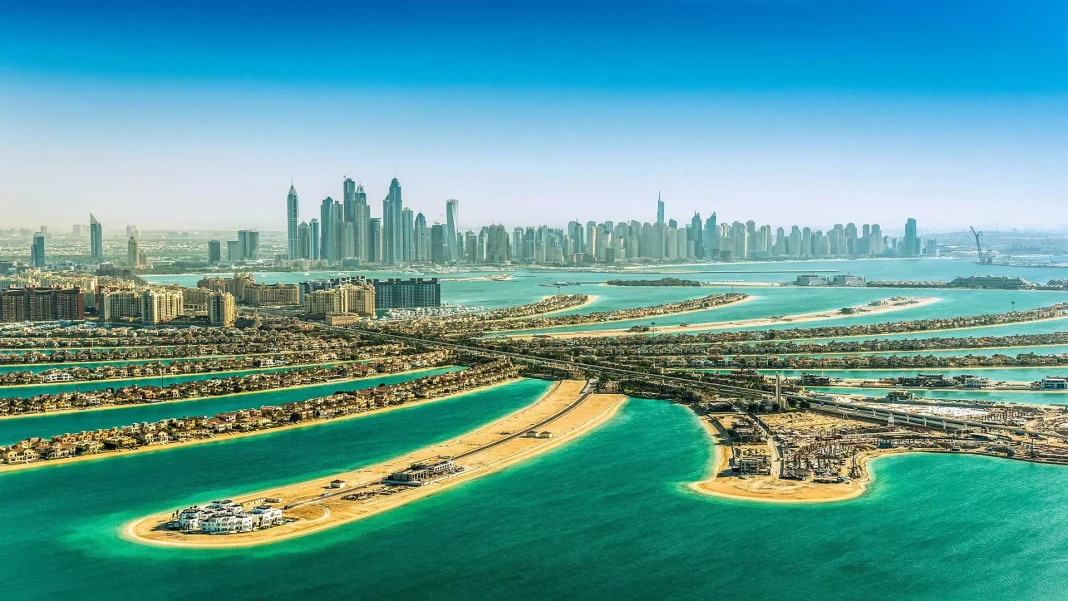
Palm Jumeirah is today a finished product and, for the investor who wants to make a major leap in net worth, that is precisely a problem. What used to be land of explosive opportunities has become a store of value where capital goes to sleep, not to multiply exponentially.
If you are looking at the Dubai market with the intention of doubling your investment in three years, entering the island now can become the most expensive mistake in your portfolio. The maturity of the district has changed the rules of the game and the shine of marketing often hides a much flatter financial reality.
In this contrarian analysis we will break down why the numbers your broker tells you about Palm Jumeirah could be hiding a stagnation you cannot afford if your goal is the real growth of your wealth.
The valuation glass ceiling on the island
Investing in Palm Jumeirah in 2026 is no longer about betting on the future, but about buying a very expensive present. Price per square meter has reached saturation levels where the appreciation margin is residual. When an asset reaches its peak of social desirability, price stops responding to investor demand and depends on the whim of the end user.
This means the organic appreciation we saw over the last decade has disappeared. Palm Jumeirah has gone from being a growth asset to a wealth-preservation asset. If you buy here expecting the market to absorb a thirty percent increase in two years, you will hit a technical wall due to the lack of relevant new inventory.
The reality of yield versus real estate inflation
The yield currently generated by a property on the island moves in a range between five and seven percent. For a conservative investor, these figures may look acceptable, but they are a liquidity trap for those seeking total return. If you subtract maintenance expenses and service charges in Palm Jumeirah, the net return falls short.
Compared with other developing areas, a yield of this kind in a peak-price environment is insufficient. While emerging zones offer similar returns with capital appreciation potential of ten percent per year, on the island you are left only with rental income. The cash flow is stable, yes, but the opportunity cost of having your capital locked there is extremely high.
Maintenance and the hidden costs of luxury
One of the factors that hits yield the hardest in Palm Jumeirah is the aging of the original villas and the first buildings. Maintaining a beachfront property in a desert and saline climate is a constant battle against physical depreciation. The luxury refurbishments needed to stay competitive devour a large share of the investor’s annual profits.
In addition, investors often forget that in Palm Jumeirah you are not competing against the general market, but against ultra-luxury hotels. If your unit is not in immaculate condition, tenant turnover will be high and vacancy periods will drag your real return below five percent. It is a game of constant reinvestment where nominal profit rarely reaches your account in full.
When it does make strategic sense to enter Palm Jumeirah
Not everything is negative, but you must know what this asset is for. Palm Jumeirah is the best option in Dubai if what you want is a “safe haven”. It is the real-estate equivalent of government bonds or gold: a place where your money is not going to disappear and where rental demand will always exist due to the prestige of the location.
It makes sense to buy if your wealth is already considerable and you are looking to diversify to protect capital against global volatility. It is also a smart purchase if the use is mixed; that is, if you enjoy the property and the yield simply covers expenses. In this scenario, return is not financial but about lifestyle, and there Palm Jumeirah remains unbeatable.
Future scenario and advice for the 2026 investor
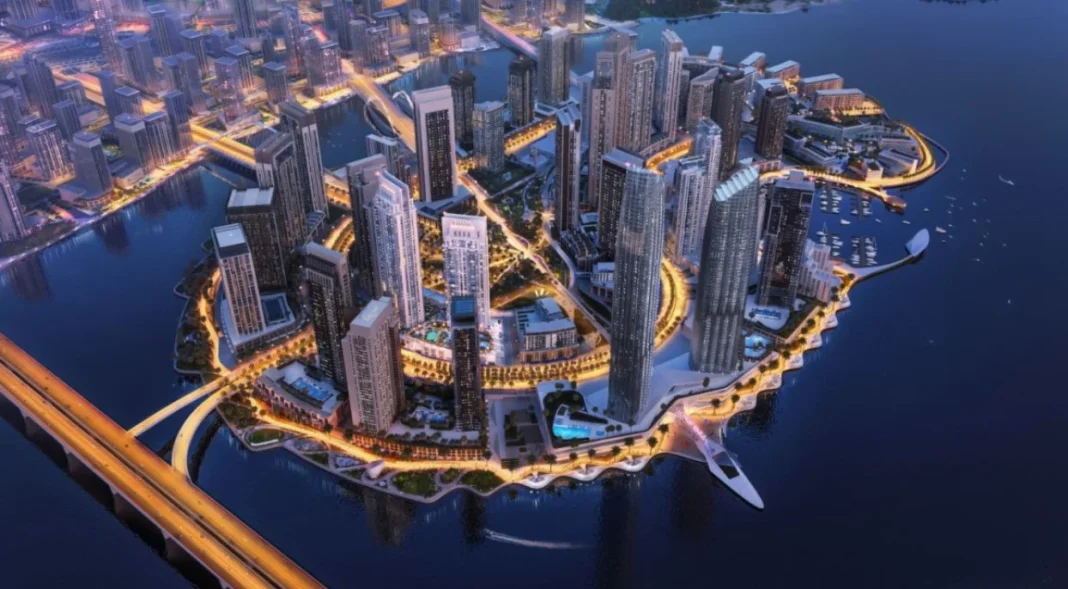
Over the coming years, we expect Palm Jumeirah to maintain almost flat price stability, with slight corrections in non-refurbished units. The market will split between “trophy” product, which will continue to break records, and standard apartments, which will struggle to maintain their yield amid competition from Palm Jebel Ali and other modern islands.
If your goal is to grow your capital, our advice is to look towards the southern expansion corridors. Leave Palm Jumeirah for the moment when your objective is to park money and sleep soundly. In 2026, financial intelligence is about knowing how to tell the difference between a postcard icon and a true wealth-generating machine. The island is the former, but rarely the latter today.