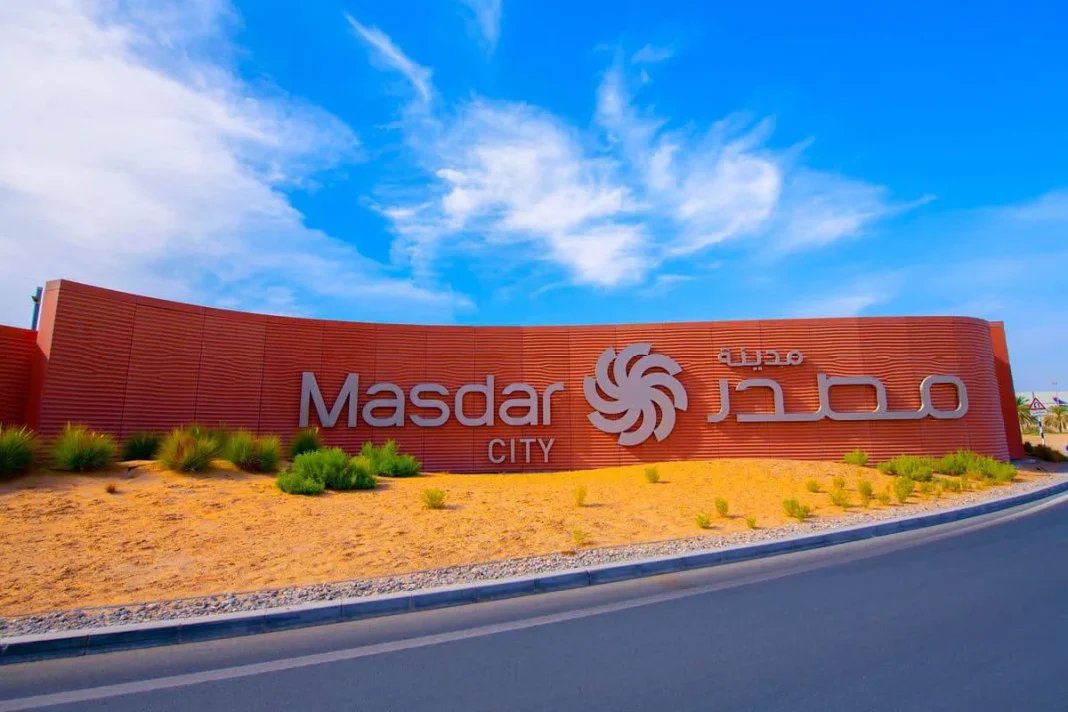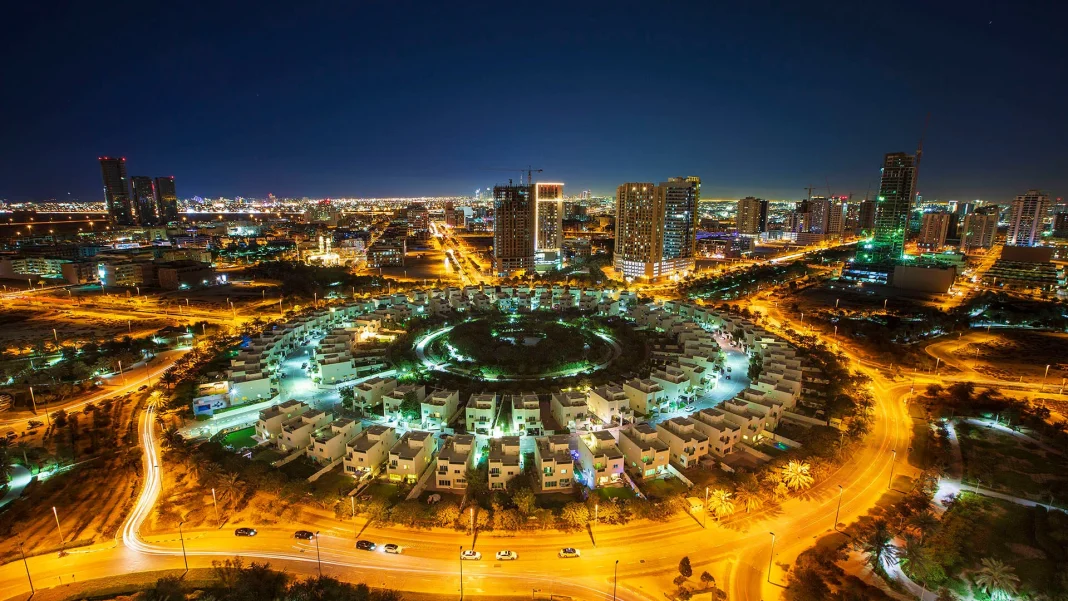


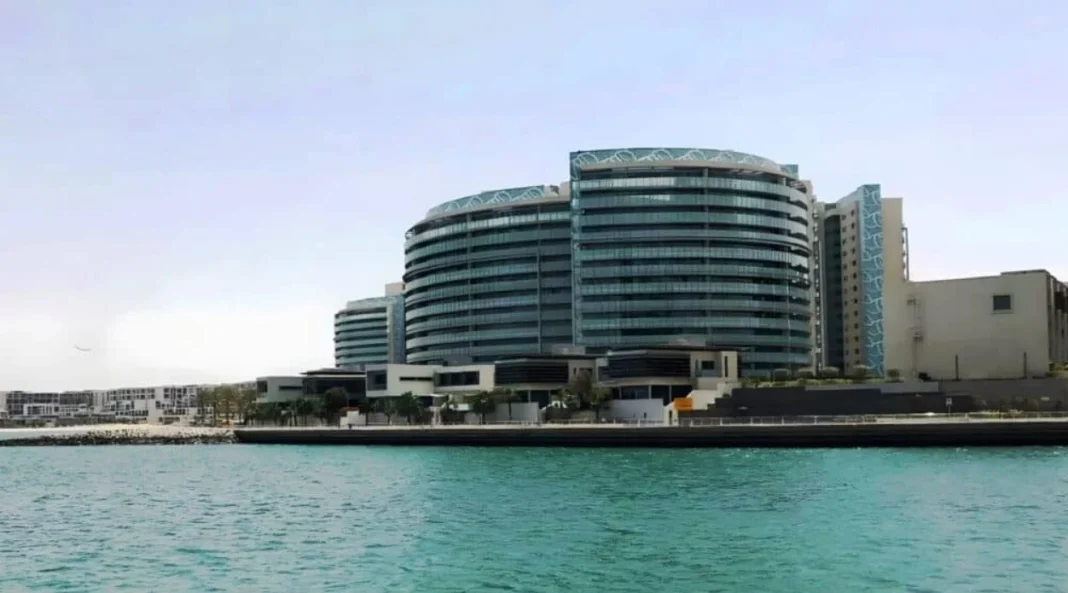
Al Maryah Island doesn’t appear in travel guides from five years ago because it didn’t exist as we know it today. What was an extension of land without a clear purpose is now the financial epicenter of Abu Dhabi, a district where Goldman Sachs, HSBC, and Abu Dhabi Global Market towers compete in height with residences exceeding 5 million euros. Just minutes away, Saadiyat Island offers beachfront villas managed by Four Seasons, where each transaction closes before hitting the public market.
The question isn’t whether this boom will continue, but why investors are abandoning mature markets like London or Madrid to bet on Abu Dhabi. The answer came in January 2026: Mubadala confirmed that 78% of luxury residences in Al Maryah and Saadiyat are reserved by foreign buyers, with a 340% growth compared to 2024. It’s not a passing trend. It’s capital relocation fleeing European taxes, persistent inflation, and stagnant real estate markets.
Why Al Maryah Island became the Wall Street of the Middle East
The rise of Al Maryah wasn’t organic. It was designed from scratch by Mubadala, Abu Dhabi’s sovereign wealth fund, with one objective: to compete with Singapore, London, and New York. Before laying a brick, a master plan was drawn that defined every street, every plot, every public service. The 5G telecommunications infrastructure, direct access bridges, and underground electrical grid were operational before inaugurating the first residential building.
The result: a district where high-level professionals find offices five minutes from their apartments, 24/7 gyms, Michelin restaurants, and international schools without leaving the island. Abu Dhabi Global Market (ADGM), the financial free zone, offers British common law regulation, zero corporate taxes, and operating licenses in 72 hours. This explains why hedge funds from London relocated 430 employees here in 2025, according to ADGM data published in December.
Saadiyat Island: where cultural luxury drives residential demand
Saadiyat doesn’t compete with Al Maryah. It complements it. While Al Maryah is finance and business, Saadiyat is culture, lifestyle, and residential exclusivity. The island hosts the Louvre Abu Dhabi, the future Guggenheim, and the Zayed National Museum. But what really moves the market are the branded villas: Four Seasons Private Residences, the last beachfront plot available in Saadiyat, with delivery scheduled for 2027-2028.
These numbers explain the urgency:
- Entry price: 8 million dirhams (2.1 million €) for a 5-bedroom villa with private beach
- Projected appreciation: 18-25% annually according to Property Monitor analysis published in January 2026
- Limited supply: only 96 beachfront villas on the entire island, 34 already sold in presale
- Staggered delivery: First quarter 2027 (Phase 1), fourth quarter 2028 (Phase 2), with 65/35 split payment
The scarcity is artificial but effective. Mubadala controls every square meter and releases inventory according to demand, keeping prices rising. This turns Saadiyat into a capital preservation asset, not quick speculation.
The investor profile who’s already buying (and it’s not who you think)
Forget the stereotype of the oil sheikh. The typical buyer of villas in Al Maryah and Saadiyat is a European professional aged 38-52 with liquid assets exceeding 3 million euros, according to a Knight Frank study published on January 28, 2026. Their motivation isn’t speculative: they’re seeking a second residence with golden visa included (minimum investment 2 million AED = 490,000 €), total tax exemption, and quality of life without sacrificing connection to Europe.
The most revealing case: in December 2025, a Spanish family fund acquired four villas in Saadiyat Lagoons for 34 million dirhams (9.2 million €) as diversification outside the euro. They don’t plan to resell. They’ll rent them to multinational executives with 3-5 year corporate contracts, ensuring 6-8% annual profitability while the asset appreciates. This hybrid model (capital gain + rental yield) is the new standard among institutional investors.
Beyond financial return, these villas offer something European markets no longer guarantee: predictability. Abu Dhabi has no income tax, no VAT on real estate transactions, no inheritance tax. The emirate’s Economic Vision 2030 prioritizes cultural and educational infrastructure over mass tourism, ensuring Saadiyat maintains its exclusive character. Investors aren’t buying square meters: they’re buying regulatory certainty.
Why 2026 is the cutoff year to enter (or you’ll be left out)
The last saleable plots in Saadiyat will be exhausted in the third quarter of 2026, according to Aldar Properties projections confirmed in their January quarterly report. After that, there will only be a secondary market with a 30-40% premium over developer price. Al Maryah Island already closed direct sales in 2025; everything available now are resales from early adopters who doubled their investment in 18 months.
| Project | 2024 entry price | Current price 2026 | Appreciation |
|---|---|---|---|
| Four Seasons Saadiyat | 7.2M AED | 11.5M AED | +59.7% |
| Al Maryah Towers | 3.8M AED | 6.1M AED | +60.5% |
| Saadiyat Lagoons | 5.9M AED | 8.2M AED | +39% |
Upcoming launches (Ramhan Island in Q3 2026, Hudayriyat Island in Q4 2026) will offer alternative locations, but without Saadiyat’s cultural prestige or Al Maryah’s financial connectivity. While Dubai saturates the market with 40,000 annual units, Abu Dhabi maintains a controlled supply of 8,000 premium units, prioritizing quality over volume. This planned scarcity strategy protects long-term investments.
Key questions to understand everything
Q: Do I need to reside in Abu Dhabi to buy?
A: No. Foreigners can purchase in freehold zones like Al Maryah and Saadiyat without prior residency.
Q: What’s the minimum down payment?
A: 10-20% in presale, remainder split until delivery (65% during construction, 35% upon completion).
Q: Can I finance with a local mortgage?
A: Yes. Emirati banks offer up to 75% LTV for foreigners with verifiable income.
Q: Do villas generate rental income?
A: Typical return of 5-8% annually on corporate contracts, managed by operators like Four Seasons or Marriott.