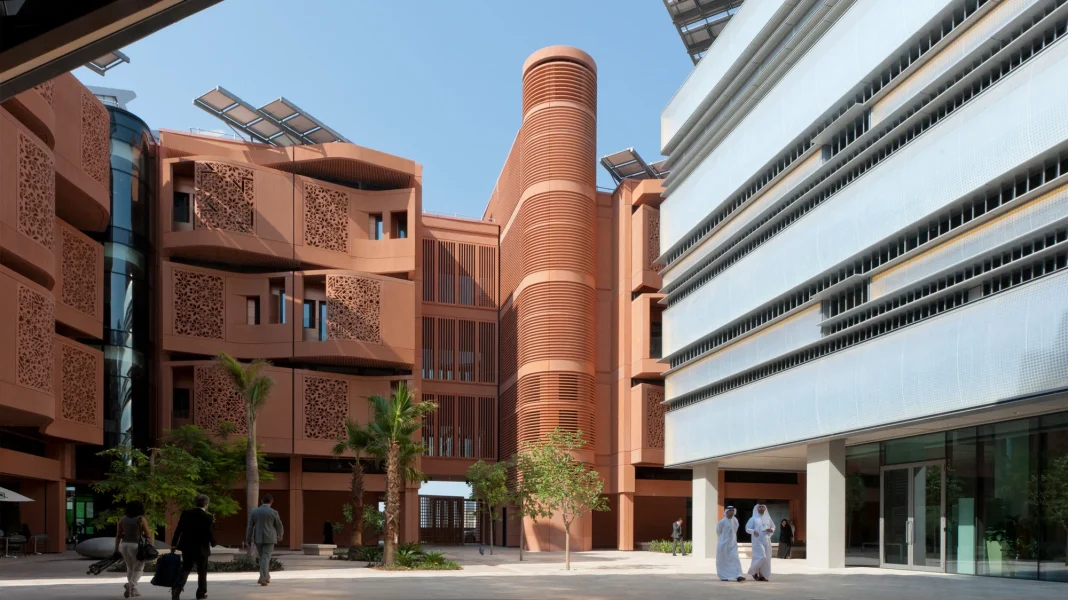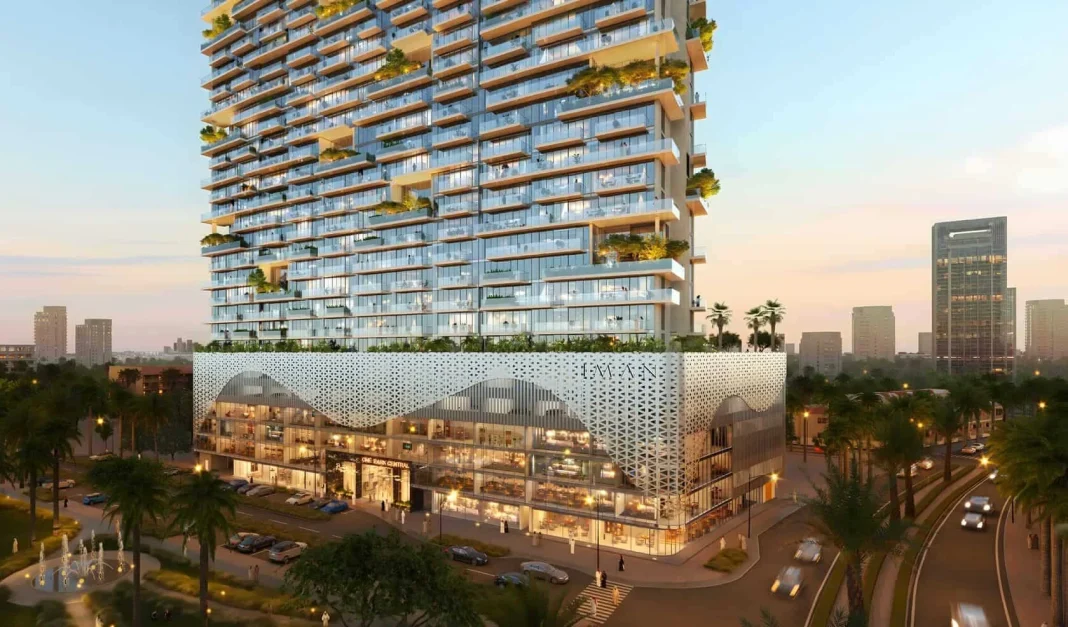


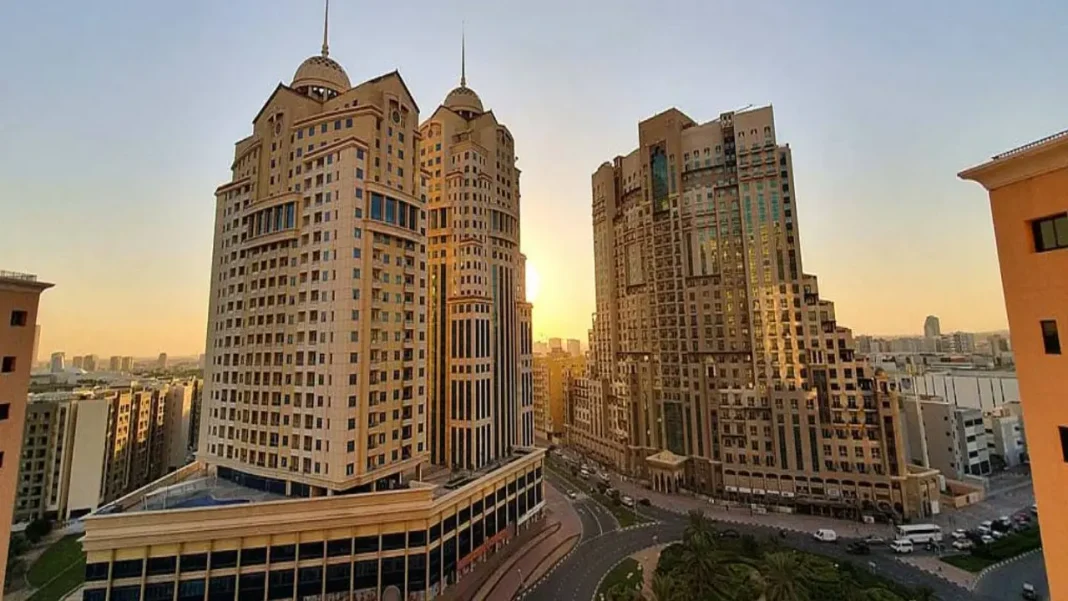
Dubai Silicon Oasis is not just another experimental free zone in the Persian Gulf. We’re talking about 7.2 square kilometers where Microsoft, Schneider Electric, and Siemens Arabia maintain permanent R&D laboratories, while blockchain entrepreneurs operate without European regulatory restrictions. The promise is brutal: set up your startup, obtain a resident visa in 72 hours, and forget about taxes until 2053. All for $3,200 annually.
The boom exploded in January 2026. The last three weeks recorded 2,400 applications from Spain, India, and the United States, according to the Dubai Silicon Oasis Authority. The urgency has a deadline: those who land before March avoid taxation at origin thanks to the business Golden Visa. This explains why the Silicon Valley of the desert stopped being plan B and became the primary strategy for a generation that prioritizes tax certainty over political freedoms.
The zero taxation that Silicon Valley will never offer
Dubai Silicon Oasis Authority simplifies what in Spain would take months: licenses for AI, software, and e-commerce companies start from 12,000 AED annually (approximately $3,200). Tax exemption is guaranteed by law until 2053, which means zero corporate tax, zero VAT on exports, and repatriation of profits without restrictions. Companies billing less than 100,000 AED qualify for 25% discounts.
The tax architecture changes the game. While California charges up to 13.3% in state taxes and Spain maintains corporate tax at 25%, Dubai eliminates any direct tax burden on tech companies in the free zone. The March 2026 deadline generates urgency: those who establish tax residency before then lose the obligation to pay taxes in Europe on worldwide income.
Why January 2026 marks the point of no return
The Emirati government invested 840 million AED in infrastructure during 2025, prioritizing cybersecurity and quantum computing. This injection coincides with European fiscal tightening: Spain toughened controls on crypto assets in December 2025, while the EU approved new directives against aggressive tax planning. The result: tech entrepreneurs seek jurisdictions that don’t change rules mid-game.
January 2026 numbers reflect the stampede:
- 2,400 applications in three weeks from Spain, India, and the US (official data from Dubai Silicon Oasis Authority)
- 340% increase compared to January 2025 in inquiries from EU countries for Golden Visa
- 1,200 Spanish companies currently processing licenses in Dubai free zones
- Business visa in 72 hours vs 7 days in 2024 (15% reduction in processing time)
The window is closing fast. Each month increases pressure from the Tax Agency on residents who declare tax relocation without justifying effective presence in the Emirates.
What you lose if you don’t meet the 183 days
Faced with this scenario, many Spaniards fall into the “false resident” trap. Obtaining the Golden Visa does not automatically exempt you from paying taxes in Spain. The Tax Agency requires proof of 183 days of physical presence in Dubai or that the core of economic interests actually operates from the Emirates. If you fail to prove it, your company pays taxes just like in Madrid: 25% corporate tax plus personal income tax on dividends.
The problem worsens when entrepreneurs maintain family in Spain, properties, or main bank accounts in Europe. The Tax Agency cross-references data with 94 countries and can claim up to four years back. This explains why 40% of business visas from 2024 ended up revoked due to lack of real economic activity, according to data leaked in January 2026.
Why this matters beyond tax savings
Beyond tax marketing, Dubai Silicon Oasis reveals a structural shift in how global technology companies operate in 2026. Entrepreneurs no longer need California to access international venture capital, thanks to digital connectivity and events like Expand North Star (October 2026). American funds opened offices in DIFC seeking startups with 40-50% margins thanks to zero tax costs, not the typical European 15-20%.
The change affects talent. Spanish programmers earning 45,000 euros in Barcelona receive offers of $90,000-120,000 tax-free in the Silicon Valley of the desert, equivalent to over 150,000 euros gross in purchasing power. The Dubai AI Campus (inaugurated in 2025) acts as a magnet for machine learning engineers. Brain drain to the Emirates is no longer anecdotal: it’s a macro trend redefining the European talent map.
This doesn’t mean Dubai is perfect. It operates under an absolute monarchy without democratic elections or press freedom comparable to Europe. But for entrepreneurs who prioritize regulatory certainty over political ideals, the trade-off is acceptable. They prefer knowing the rules won’t change for 27 years (until 2053) even if it means giving up voting.
What comes after the Golden Visa
Looking ahead, Dubai is preparing the next phase: the Dubai Universal Blueprint 2040 projects doubling the Silicon Oasis population to 200,000 residents and creating 140,000 technology jobs. The government announced an investment of 1,200 million AED for 2026-2028 focused on quantum infrastructure and AI data centers. Meanwhile, Spain tightened controls: since February 2026, anyone requesting deregistration as a tax resident must provide a certificate of residence plus proof of real economic activity (contracts, payrolls, invoices).
The next 18 months will mark who made the right decision and who fell into amateur tax planning. Companies that don’t demonstrate effective presence will face multi-million-dollar claims. Meanwhile, those who correctly structured their relocation will enjoy 6-10% annual returns on Silicon Oasis properties (2025 averages), renewable permanent visa, and access to the Asian market of 3.6 billion consumers within a 4-hour flight radius.
| Actor | Expected action 2026-2027 | Timeline |
|---|---|---|
| Spanish Tax Agency | Data cross-referencing with 94 countries + audits | Q2 2026 |
| Dubai Silicon Oasis | Double tech companies (from 40K to 80K) | 2027 |
| Spanish entrepreneurs | Demonstrate 183 days + real activity | Ongoing |
| Venture capital funds | Permanent offices in DIFC + DSO | 2026-2027 |