

Dubai’s real estate market closed 2024 with a historic record: 761 billion dirhams in total transactions, according to official data from the Dubai Land Department published in January 2026. The figure consolidates the emirate as the most dynamic real estate investment destination in the Middle East and exceeds the previous year’s volume by 12%.
But the game-changing data comes with the regulatory update of the Emirati Golden Visa. Since late 2024, off-plan properties officially qualify for long-term residency if the investor meets two conditions: certified minimum investment of 2 million AED or payment of 50% of the total value to the developer if the property is mortgaged.
Off-plan properties open direct access to 10-year residency
Until recently, only completed properties with registered title deeds granted access to the Golden Visa. The regulatory change removes this barrier for investors purchasing off-plan in developments certified by the Dubai Land Department. The condition is clear: demonstrate real investment of 2 million dirhams through a registered sales contract.
If the property has mortgage financing, the buyer must prove they have paid at least 50% of the total value to the bank or developer. This requirement aims to prevent speculative applications without real financial commitment. The DLD verifies payments before issuing the certificate that enables the visa application.
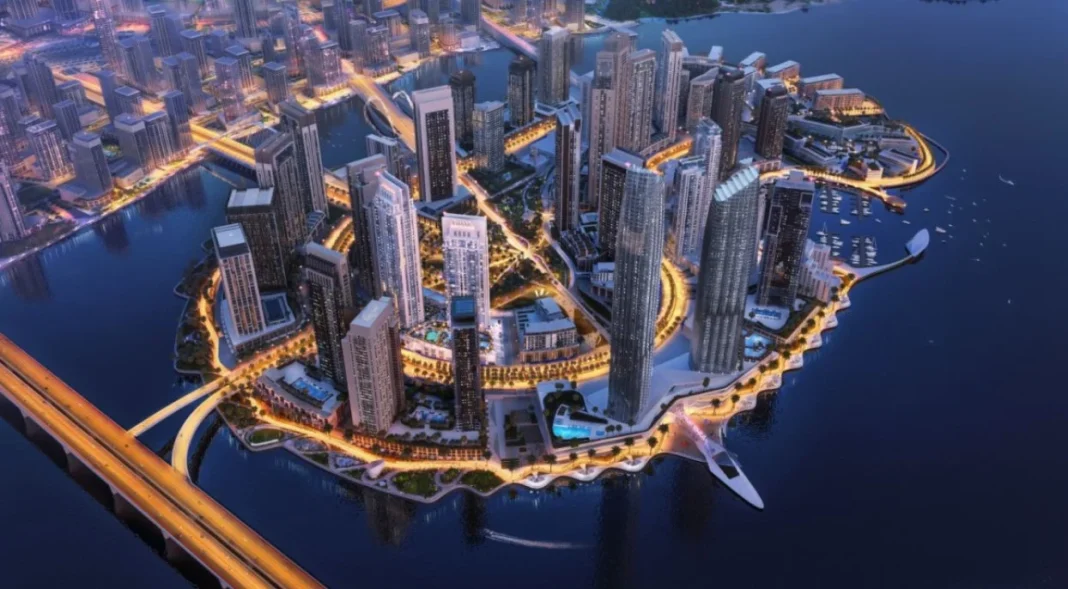
Megaprojects such as Dubai Creek Harbour, Mohammed Bin Rashid City, or the new phases of Emaar in Downtown concentrate the highest demand from foreign investors seeking to combine real estate appreciation with resident status. The delivery of these properties extends between 2026 and 2029, but the visa is processed from the signing of the initial contract if you meet the minimum threshold.
Why Dubai accelerates this opening amid real estate boom
Faced with this record growth scenario, the Emirati government seeks to consolidate long-term foreign capital flows. Real estate transactions exceeded 161,000 operations in 2024, with participation from buyers of more than 190 nationalities. The off-plan segment represented 42% of the total volume transacted.
The official strategy pursues three simultaneous objectives that explain the regulatory change:
- Fix foreign capital for long periods avoiding short-term speculative rotation that generates price volatility
- Boost large-scale developments requiring robust pre-sales before starting construction in urban expansion zones
- Compete directly with investment residencies from Portugal, Greece, or Malta that attracted billions in the last decade
The measure coincides with the announcement of real estate projects worth 320 billion dirhams for the 2025-2028 period, concentrated in areas such as Dubai South, Jebel Ali Village, or the expanded artificial islands. These developments need guaranteed pre-sales to start construction, and the Golden Visa functions as a direct incentive to close advance sales.
How this affects foreign investors seeking residency
Beyond the boom in numbers, the opening radically transforms the access equation for professionals and families seeking to establish themselves in the Emirates. Before, you needed to wait between 2 and 4 years for your property to be completed and registered to apply for the visa. Now the process starts from the moment you sign the certified purchase.
This acceleration especially benefits digital entrepreneurs, international consultants, and high-income families seeking favorable tax residency without waiting for property deliveries. You pay the initial 50% of a 4 million AED villa in Arabian Ranches 3, start the Golden Visa process, and move with residency permit before construction is completed.
The impact is noticeable in demand: off-plan projects with deliveries in 2027-2028 are selling 60% of units in the launch phase, when historically this figure was around 30%. Developers are adjusting payment plans to facilitate reaching the 50% threshold in the first 18 months of the project.
What it means to meet technical requirements before the DLD
The problem arises when investors assume that any off-plan contract automatically qualifies them. The Dubai Land Department requires official certification from the developer, contract registration in its MOL system, and bank proof of transfers totaling 2 million AED or the declared 50%. Without these three verified documents, the application is rejected.
The most frequent rejection cases involve contracts signed with developers not licensed by RERA, split payments that don’t reach the minimum threshold at the time of application, or properties in free zone areas that have different legal treatment. The secondary off-plan market also generates confusion: if you buy a resale off-plan unit, the amount that counts is what you pay to the original seller, not the developer’s initial price.
The fine print establishes that the property must remain in your name for at least 3 years to maintain the Golden Visa. If you sell before, the visa is automatically canceled unless you reinvest in another property that meets the same requirements within 6 months following the sale.
What will happen to prices and demand in the next two years
This opening puts upward pressure on prices of off-plan properties in the 2 to 3 million AED range, which now concentrate dual interest: real estate investment plus migratory asset. Analysts project increases of 8% to 12% annually in this segment until 2027, above the general market average growing at 6%.
Developers are adjusting commercial strategies by launching more units at that specific threshold: villas of 2.2 million, premium apartments of 2.5 million, and townhouses of 2.8 million dominate new launches. Competition between projects shifts to who offers better payment facilities to reach the required 50% without compromising buyer liquidity.
The big unknown is whether Dubai will maintain this opening when the supply of ready properties exceeds demand in 2028-2029. Portugal and Spain’s governments toughened golden visas after market saturation. For now, the emirate accelerates while the window of opportunity remains open and foreign capital flows without restrictions toward its urban megaprojects.