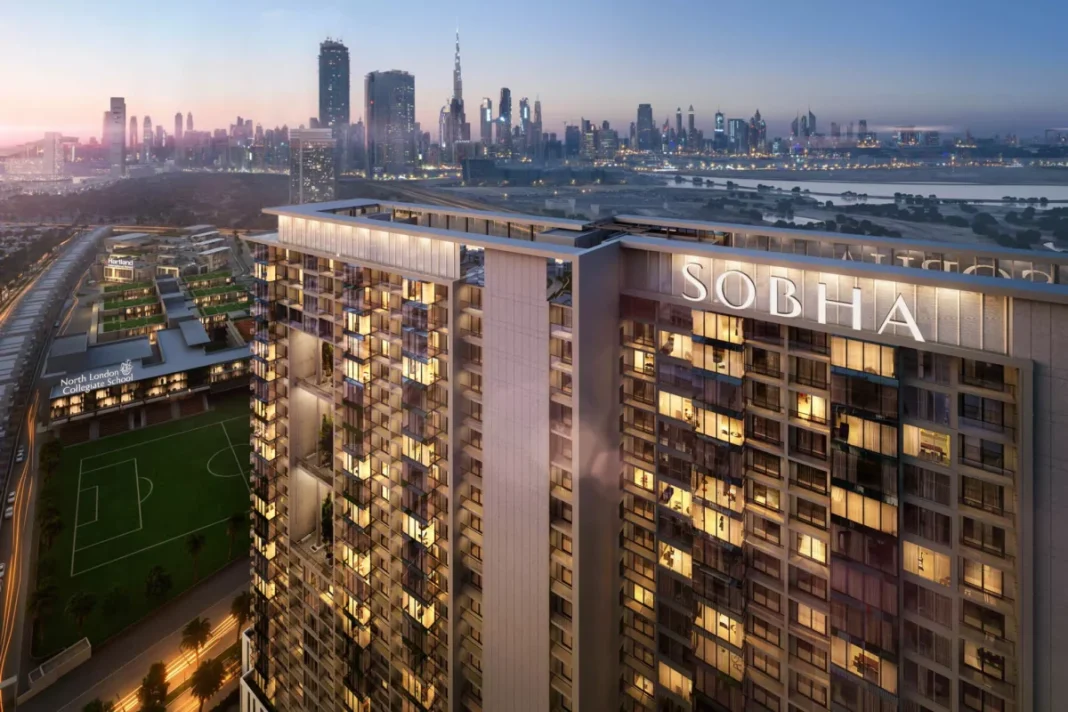


Sobha Hartland II represents one of the most ambitious residential developments in the emirate, with deliveries scheduled for the fourth quarter of 2027. During 2025 and 2026, thousands of investors have faced the same dilemma: acquiring properties during the construction phase or waiting for the secondary market launch. The difference between both strategies can mean thousands of dirhams in profit or loss.
Pre-delivery appreciation typically ranges between 5% and 10%, according to historical data from similar projects in the area. However, the secondary market allows verification of actual quality and finishes before committing capital. Therefore, the right choice depends on each investor’s risk profile.
The Project Revolutionizing South Dubai
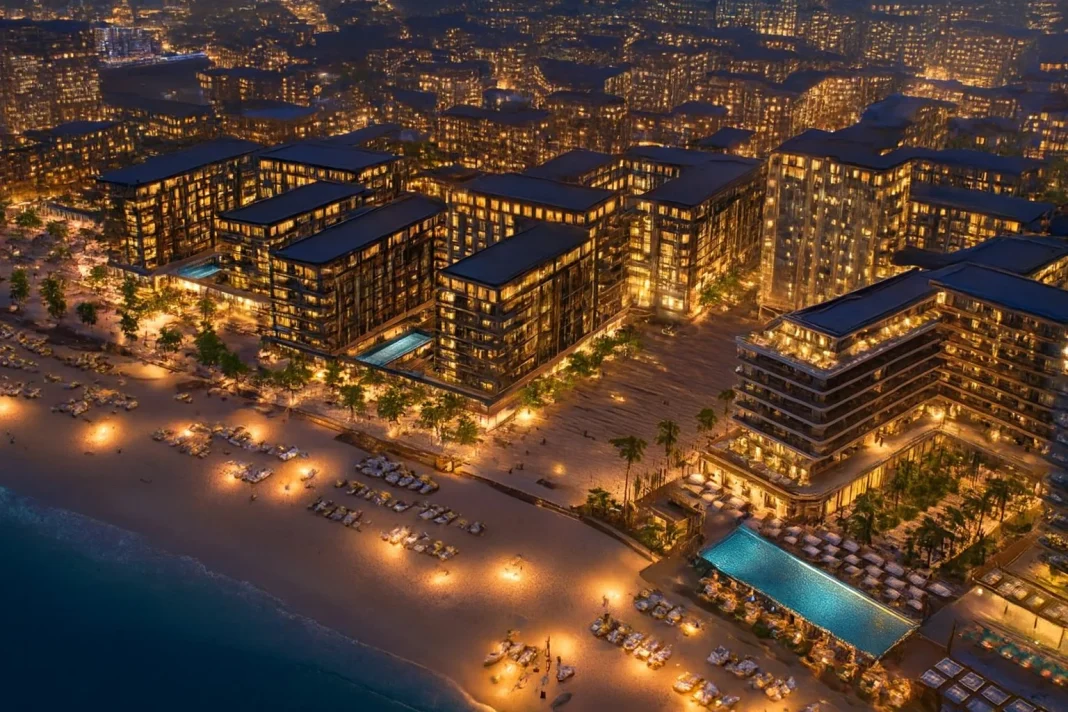
Located in Mohammed Bin Rashid City, this development combines luxury villas with one to three-bedroom apartments. The developer has confirmed that the first units will be ready in December 2027, meeting the initially announced deadlines. The project includes green areas, artificial lakes, and direct access to top-tier shopping centers.
The amenities include state-of-the-art gyms, infinity pools, and integrated coworking spaces. Additionally, connectivity with the rest of the emirate is guaranteed through access to Sheikh Mohammed Bin Zayed Road. Pre-sale prices have started from 1.2 million dirhams for two-bedroom units, with flexible payment plans that allow reservations with just 20% down payment.
The strategic location near Dubai Creek Tower adds considerable aspirational value. Buyers anticipate that the area will experience significant urban transformations over the next five years, driving the natural appreciation of the asset.
Advantages of Securing Your Investment Now
Buying pre-sale means accessing launch prices significantly lower than projected market values. Developers offer discounts that can reach 15% compared to post-delivery estimates, in addition to staggered payment plans that facilitate entry.
The strategy allows investors to:
✓ Select the best units with privileged views and optimal orientations
✓ Divide the initial outlay over 24-30 months during construction
✓ Benefit from asset appreciation while it is still being built
✓ Secure projected rents of 6-7% annually once the project is delivered
Financial leverage is more favorable during the pre-sale phase. Emirati banks offer mortgages with special conditions for Sobha Hartland II, including grace periods until construction completion. However, this liquidity has its counterpart in execution risks and possible delays.
The Dangers of the Immediate Secondary Market
Waiting for delivery to buy in the secondary market eliminates construction uncertainties, but introduces unexpected price volatility. During the first six months post-delivery, the market usually experiences sharp adjustments while the real value of the development is established.
Initial sellers frequently need urgent liquidity, creating specific opportunities with discounts of 8-12%. However, availability of premium units decreases drastically, leaving only options with less desirable orientations or intermediate floors without outstanding views.
The market testing period can extend up to twelve months. During this phase, prices fluctuate according to actual unit absorption and corporate tenant response, generating uncertainty for those seeking immediate financial certainty.
Analysis of Real Liquidity Spread
The differential between buying today and waiting two years doesn’t only involve entry price. Opportunity costs include uncollected rents during the construction period and the possible appreciation of Dubai’s general market during 2026-2027.
Calculating conservatively, a 1.5 million dirham apartment in pre-sale could be valued at 1.65 million after delivery, representing a 10% gain. However, discounting registration costs, commissions, and maintenance during construction, the net profit is reduced to 6-7% effective.
On the other hand, waiting for the secondary market eliminates construction risks and allows direct negotiation with motivated owners. The immediate liquidity of the delivered asset facilitates quick resale if market conditions change unfavorably, something impossible during the pre-sale phase.
The Decision According to Your Investor Profile
Investors with a long-term horizon and tolerance for construction risk find in pre-sale their best financial ally. Committed capital works from day one, generating passive appreciation while the surrounding urban development is completed.
Those who prioritize security and tangibility prefer the secondary market, sacrificing upside potential in exchange for absolute certainty about the final product. This strategy is especially attractive for primary residence buyers who cannot afford surprises in quality or finishes.
The third way combines both approaches: reserving a small unit in pre-sale as an exploration of the development, while keeping capital available to take advantage of post-delivery opportunities. This diversification minimizes total exposure and maximizes tactical flexibility in the face of market changes.