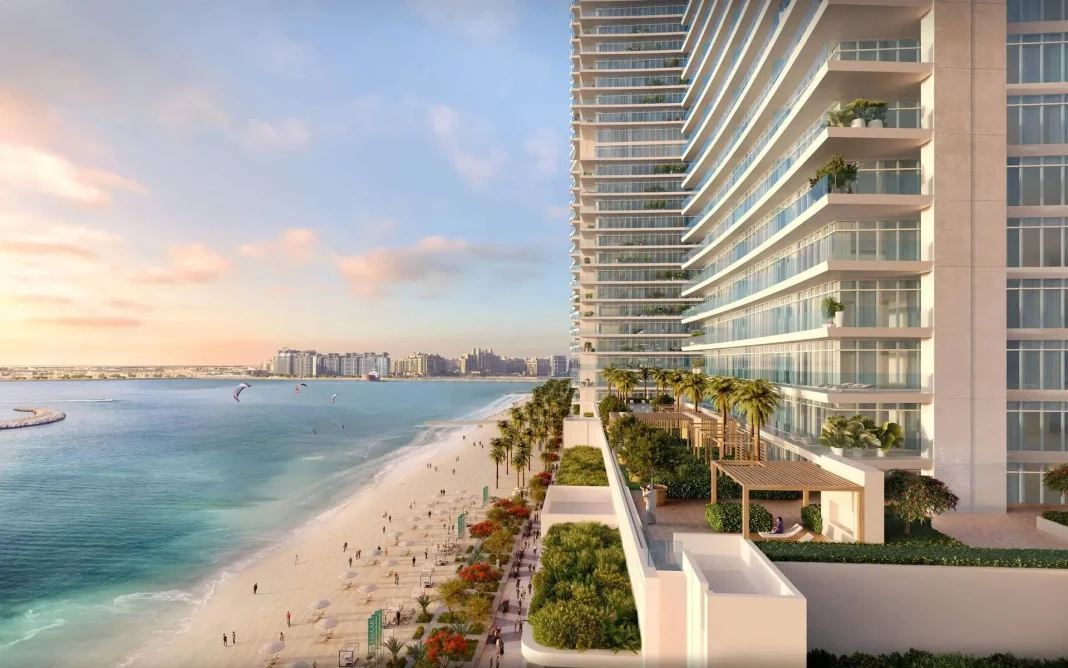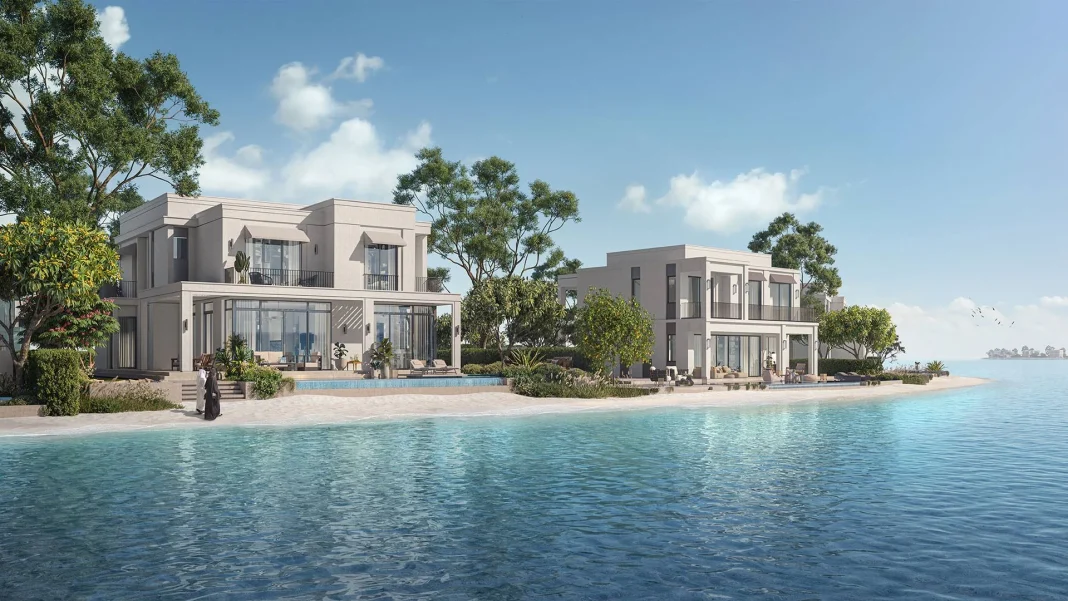


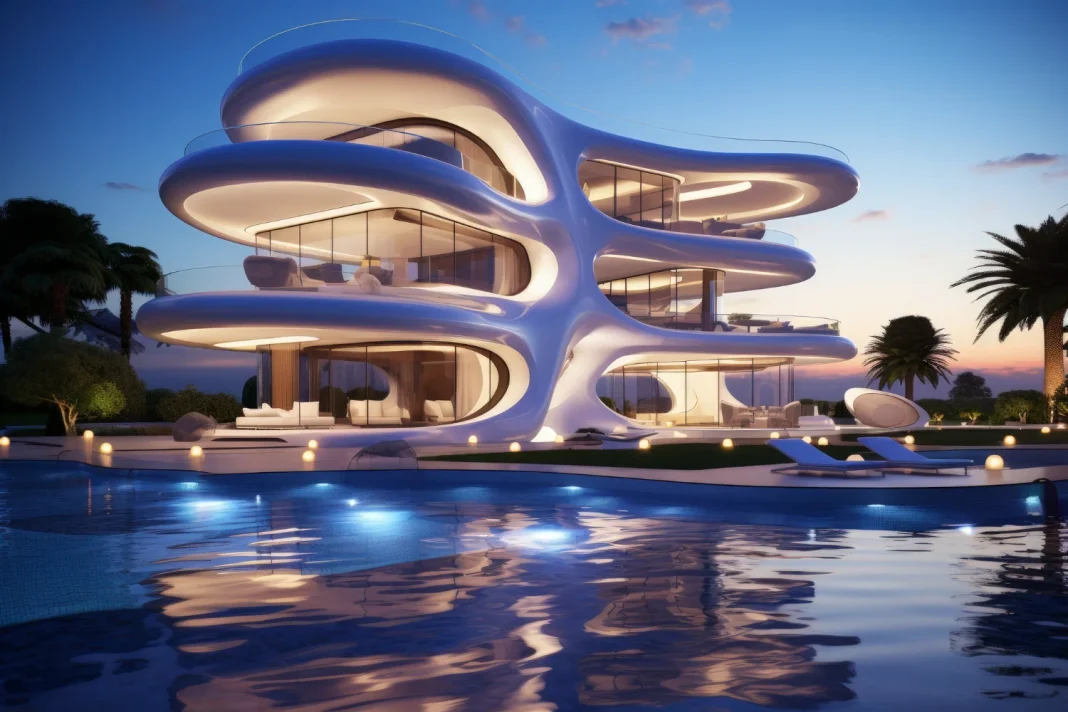
Dubai Mansions, the 27.2 billion dollar project announced by Emaar Properties, represents a historic bet in the Emirati luxury real estate market. The development involves the construction of 40,000 ultra-premium homes with sizes between 10,000 and 20,000 square feet in the Emaar Hills area. However, this massive launch faces a complex mathematical reality: approximately between 10,000 and 15,000 ultra-high-net-worth individuals reside in the United Arab Emirates, a limited base of potential buyers compared to the magnitude of the supply.
The concept of margin compression emerges as the fundamental risk of this real estate strategy. Although many ultra-luxury investors acquire multiple properties, market saturation could erode the scarcity value that has historically supported premium prices in the emirate.
The ultra-rich buyer base and its limits
The population of individuals with net worths above 50 million dollars in the United Arab Emirates constitutes an exclusive but finite group. According to regional real estate market analyses, these buyers represent the main driver of transactions above 10 million dollars, which currently dominate the luxury villa segment with more than 70% of the total.
The geographical concentration of preferences adds complexity to the scenario. Dubai Marina, Dubai Hills Estate and Emirates Hills capture most of the ultra-premium demand, creating direct competition between existing projects and the new 40,000 Dubai Mansions units. This fragmentation could dilute interest and reduce the ability to maintain current prices in simultaneous developments.
Quantitative analysis reveals a potential mismatch between supply and demand. Even assuming that each ultra-rich buyer acquires between three and five properties, the full absorption of the project would require years of sustained marketing. This temporal imbalance generates downward pressure on profit margins and forces more aggressive pricing strategies.
Scarcity value under pressure
✓ The perception of exclusivity is the fundamental pillar of ultra-premium pricing.
✓ The exponential increase in available units threatens the narrative of artificial scarcity.
✓ Ultra-rich buyers prioritize differentiation and uniqueness over massive volume.
✓ Brand reputation can partially offset the abundance of supply.
✓ Maintaining exceptional architectural standards is critical to sustaining valuations.
The concept of scarcity value has historically worked as a price multiplier in luxury markets. Projects with limited inventories generate purchase urgency and justify significant premiums. Dubai Mansions faces the opposite challenge: convincing sophisticated buyers that 40,000 units still retain an exclusive character.
Absorption and differentiation strategies
The speed of commercialization will determine the real impact on the project’s margins. Emaar Properties could implement phased launches, creating mini-cycles of artificial scarcity within the mega-development. This tactic makes it possible to maintain tension between supply and demand while construction is progressively completed.
Differentiation through collaborations with global brands represents another observable strategy in the market. Projects such as Bugatti Residences, Mercedes-Benz Places and developments associated with ultra-premium watch brands demonstrate that aspirational positioning can justify higher valuations even in contexts of abundance.
The real estate market in Dubai has shown remarkable absorption capacity in recent years, with sustained growth in transactions in the premium segment. However, the unprecedented magnitude of Dubai Mansions surpasses any historical launch, creating uncertainty about traditional absorption mechanisms.
Impact on the regional ultra-premium market
Competition for ultra-rich investment capital will intensify among established developers. Existing projects in Downtown, Dubai Marina and Palm Jumeirah will have to adjust their pricing strategies to remain competitive against Emaar’s new mansions. This dynamic could generate price corrections in comparable segments of the secondary market.
The domino effect on future developments also deserves strategic consideration. If Dubai Mansions experiences significant margin compression during its commercialization, other developers will reconsider massive ultra-luxury launches. Preference could shift towards boutique projects with controlled inventories and extreme architectural differentiation.
Foreign investment represents a critical variable in this scenario. Recent surveys indicate that more than 10.3 billion dollars in private capital from India, Saudi Arabia, the United Kingdom and East Asia are specifically directed towards Dubai’s residential market. This external liquidity could partially offset the limitations of the local base of ultra-rich buyers, although price sensitivity among international investors introduces additional volatility into the valuation model.