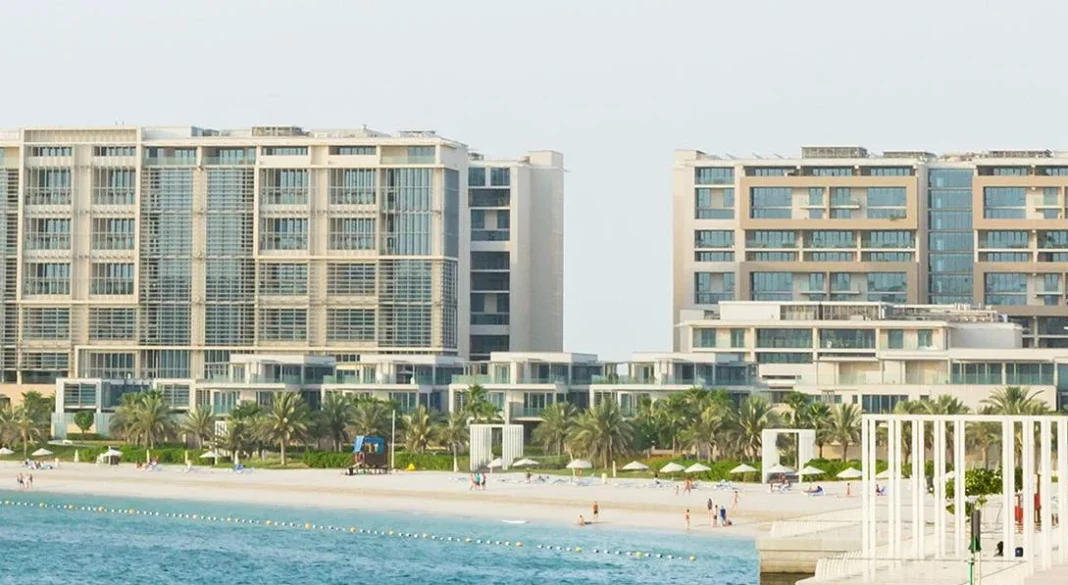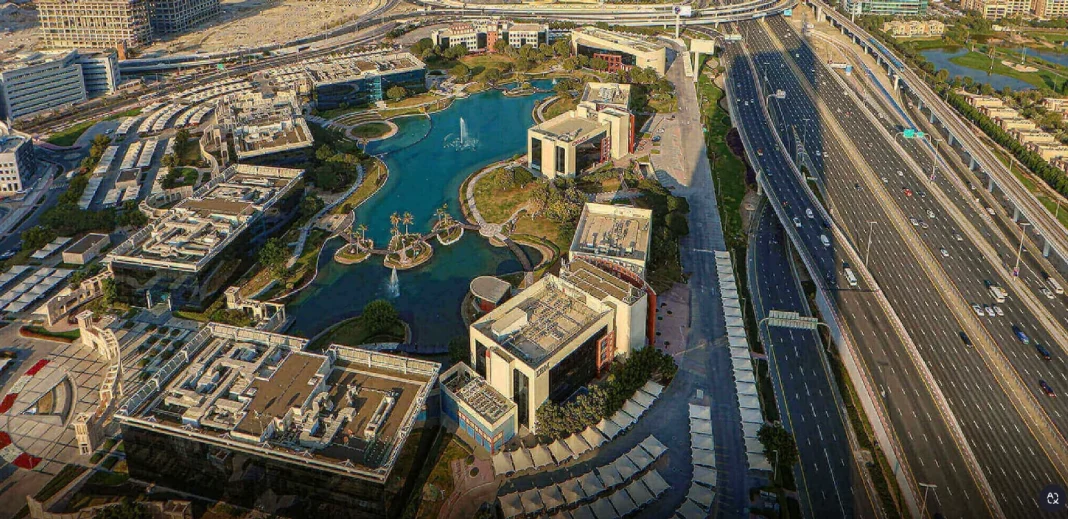


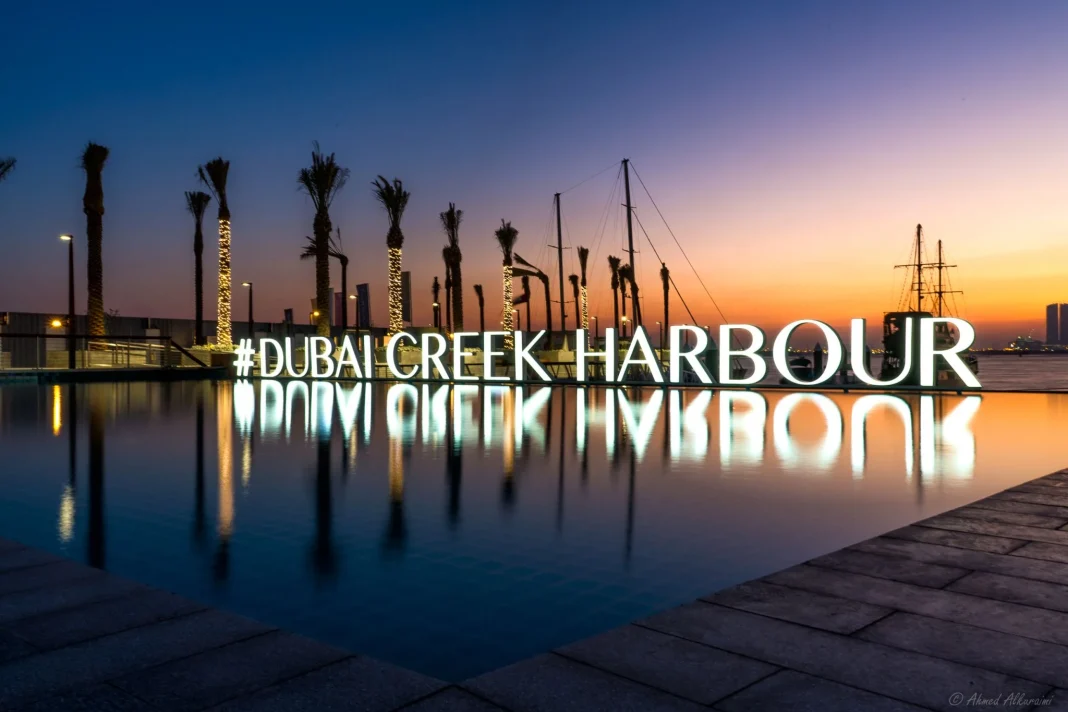
Dubai Creek Harbour has established itself as the great urban laboratory where Dubai is testing its next leap in modernity, blending waterfront living, sustainability, and residential luxury. As you walk along its canal promenades, it is hard to believe that just a few years ago this area was little more than a blueprint promise for forward-looking investors. Today it already functions as a living community, with residents, shops, and services that anticipate the direction of the market.
For foreign buyers, this district combines a waterfront location, the Emaar stamp, and entry-level prices still below more established areas such as Downtown or Palm Jumeirah. Real estate consultancies report double-digit price increases in recent years and a strong appreciation potential linked to the master plan and the future Dubai Creek Harbour. All this turns the area into a magnet for those seeking capital growth and stable rental income.
A MEGA PROJECT BY THE SEA
Far from the more intense noise of Downtown, this neighbourhood sits along the historic shores of Dubai Creek, facing the skyline and the Burj Khalifa. The feeling as you walk its promenades is that of a city within the city, with glass towers, marinas, landscaped walkways, and open views that evoke a Dubai Marina still under construction. This scale allows you to picture a new urban core without giving up the coastal air and orange sunsets.
The master plan covers a larger area than Downtown and is organised into several districts with different roles, from quiet residential zones to retail and leisure areas facing the water. It includes extensive green spaces, more than 700,000 square metres of parks and open areas, along with pedestrian promenades and cycling paths that connect every corner of the neighbourhood. This layout keeps everything within easy walking distance, reinforcing the sense of a district designed for living, not just investing.
VERTIGINOUS PRICE GROWTH
In recent years, prices in the area have risen at rates well above the average of the Dubai market, with increases of more than twenty percent in just the first half of 2024. This trajectory confirms that the project has ceased to be a simple promise and has become a real driver of appreciation within the emirate’s property map. Those who entered early are already seeing their capitalisation figures outperform other established communities.
There are several factors behind this momentum: it is an expanding project, prices start from more accessible levels than other destinations, and it is backed by a developer with a proven track record such as Emaar. As new phases are delivered, shops open, and infrastructure is completed, the market almost automatically incorporates that improvement into valuations. The proximity to the Ras Al Khor sanctuary adds a distinctive extra that is hard to replicate in other neighbourhoods.
DUBAI CREEK HARBOUR AS THE NEW DOWNTOWN
Many analysts describe Dubai Creek Harbour as the city’s next great urban centre, a new Downtown that combines residential life, offices, leisure, and tourism within a single master community. The future Dubai Creek Tower will act as a global icon and visitor magnet, similar to the role the Burj Khalifa once played for Downtown Dubai. That tourist and media pull almost always translates into higher demand and capital gains for those who own property in the area.
Another key element is connectivity: the neighbourhood is just minutes by car from the airport and Downtown, with direct road access and future public transport links that will boost its day-to-day appeal. For those thinking about renting out, this proximity to major employment and tourist hubs tends to translate into high occupancy and more resilient rents in times of uncertainty. In addition, the closeness to the historic Dubai Creek Harbour and to new cultural venues adds extra allure.
QUALITY OF LIFE AND GREEN ENVIRONMENT
One of this neighbourhood’s strongest arguments is that it does not limit itself to offering luxury towers, but sets aside a significant share of land for parks, promenades, and recreational areas for families. The planning includes large pedestrian zones, schools, sports facilities, and wellbeing spaces integrated with views of the water and the Ras Al Khor nature reserve. This translates into more walkable routines and a daily life less dependent on the car.
In practice, this means being able to walk down for a coffee by the water, take the children to the park without crossing big avenues, or go for a run along a waterfront promenade designed for residents and not just tourists. The new phases combine mid-rise buildings, open-air retail plazas, and small marinas, creating pockets of character within the broader framework of the master plan. This mix humanises a project that, on paper, might seem purely financial.
RENTS, DEMAND, AND TENANT PROFILE
Market studies point to growing rental demand in the area, driven by expatriate professionals, tech executives, and families seeking a balance between proximity to the centre and a quieter environment. Gross yields stand at competitive levels compared with other prime neighbourhoods, with an added upside from the appreciation potential of the underlying asset. This leads many investors to combine medium-term rentals with a clear capital gain horizon at the time of sale.
In terms of property type, one- to three-bedroom apartments predominate and, in specific areas, townhouses tailored to families who value more space and private terraces. This mix allows different strategies: from studios and smaller units focused on corporate rentals to larger apartments for long-term tenants with children enrolled in nearby schools. For owners, that diversity helps mitigate risks and adjust prices according to demand in each cycle.
HOW TO APPROACH LONG-TERM INVESTMENT
Entering this neighbourhood today requires understanding that it is a medium- to long-term bet, linked to the handover of new phases, the progress of Dubai Creek Tower, and public infrastructure. Those seeking an immediate return may become frustrated by ongoing works and the pace of consolidation, but for patient profiles the upside potential remains substantial. The key is to buy quality units, in good locations, with solid rental demand.
Experts recommend prioritising units with good views, pleasant orientation, and proximity to parks or the waterfront, even if that means paying a little more per square metre. They also stress the importance of analysing service charges, the target tenant profile, and the visa and tax outlook in detail, making use of tools such as the Golden Visa whenever possible. With careful selection, Dubai Creek Harbour can become the centrepiece of a diversified real estate portfolio in Dubai.