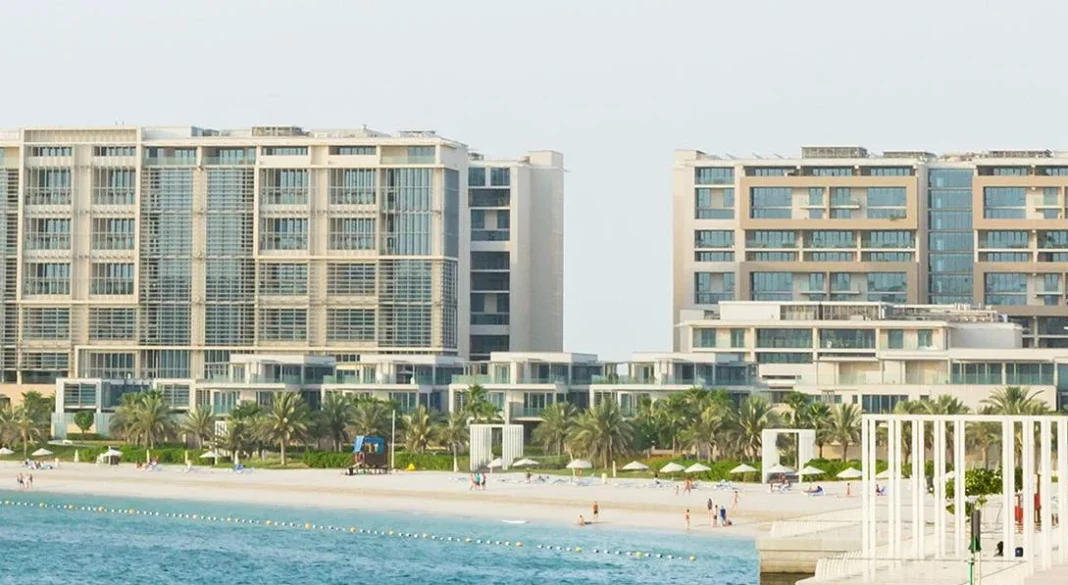


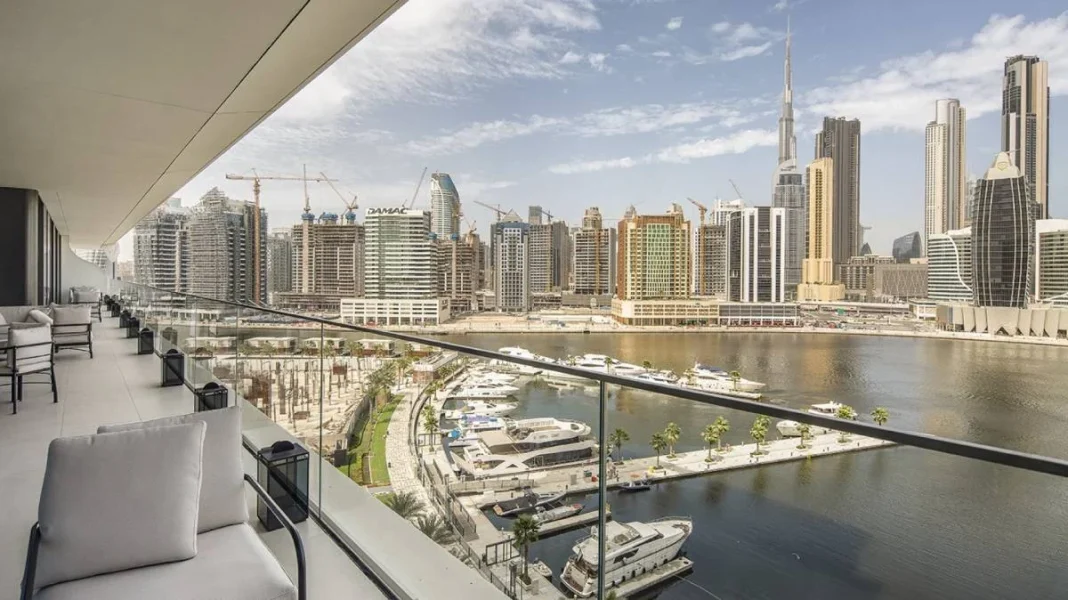
Business Bay is today one of Dubai’s most sought-after districts for anyone looking to bring home, office and investment together in the same place on the map. Located next to Downtown and the Dubai Canal, it combines office skyscrapers, high-end residential towers and a leisure offer that does not switch off when the working day ends. In the following lines you will see how it fits a demanding buyer, which returns are realistic and which signals are worth reviewing carefully.[1][2]
Beyond the shine of the pictures, it is time to understand whether this neighbourhood can sustain good rents and reasonable capital appreciation over time. Market analysts point to an already consolidated area, with stable demand from professionals and tourists, but still with room compared with more expensive districts such as Downtown or DIFC. That is where your strategy comes in: deciding whether you prioritise short-term rents, a more long-term asset or a balance between own use and rental.[3][4][2]
WHY THIS DISTRICT WINS OVER INVESTORS
When you look at Dubai’s map through investor lenses, this district almost always appears at the top of the list: Business Bay. It is no coincidence: it combines a central location, good metro and road connections, and a balanced mix of offices, homes and hotels that keeps the flow of tenants going all year round. That combination means that, even in cooler phases of the market, the area maintains a reasonable volume of transactions and buyer interest.
In numerical terms, many studies place gross rental yields in a competitive range compared with other established international markets. In practice, this means that a well-chosen apartment can generate a stable cash flow, as long as you get the building, the management and the type of tenant right. Here it is not just about hunting for a bargain, but about assessing which tower, which views and which amenities will sustain occupancy and price.
HIGH RENTS AND STEADY DEMAND IN THE HEART OF DUBAI
One of the district’s great strengths is the variety of profiles that can become your potential tenants throughout the year. Market data point to rental yields that usually move between six and eight percent gross, with high occupancy in well-located and well-managed apartments. That does not mean that anything goes, but it does mean that if you choose a consolidated tower and a professional manager, it is easier to sustain income even if you adjust the price a little.
Another key piece is deciding whether you want to focus on traditional annual rentals or on shorter stays aimed at professionals in transit and business tourism. The environment, close to major office hubs and the Dubai Mall, allows you to play with both strategies, as long as you comply with local regulations and work with a serious operator. Before signing, it is worth running realistic numbers with different occupancy scenarios so you do not depend only on an idealised high season that may never arrive.
BUSINESS BAY AS A PASSPORT TO DUBAI FOR DEMANDING PROFILES
The buyer who gets the most out of this district has usually invested before and values both the numbers and day-to-day life in the area. We are talking about professionals who travel frequently, families who want a foothold in the Middle East or small business owners who use the apartment as a base for meetings and networking. For them, having an asset in a recognised area, with well-maintained services and a good reputation among expatriates, adds image and helps fill the booking calendar.
Beyond the financial side, many buyers use their apartment as a flexible second home, alternating periods there with rental periods. This flexibility fits very well with busy schedules, because it allows you to combine work, leisure and networking in an environment where almost everything is ten minutes away by car or metro. That said, it is worth reviewing issues such as visas, residence by investment and taxation in your home country with a local adviser before deciding.
WHAT TYPE OF BUYER GETS THE MOST OUT OF THIS ENVIRONMENT
Not every budget or expectation fits this map in the same way, and that is something worth accepting from the outset. Those who arrive with a quick-hit mindset tend to get frustrated, while profiles that think in ten or fifteen-year terms cope better with volatility. In practice, the buyers who sleep best are those who do not put at risk the savings they need for their daily life and allocate only part of their wealth here.
It also helps to come with an orderly financial situation at home: controlled debts, a safety cushion and clarity about how much you can invest without losing sleep. With that starting point, the district is seen as one more piece in the overall strategy rather than as the lifeline that has to fix everything. That way it is easier to negotiate calmly, turn down offers that do not fit and avoid over-indebtedness when unexpected expenses arise, something common in international property processes.
REAL RISKS AND HOW TO REDUCE THEM BEFORE YOU SIGN
Although the pictures invite enthusiasm in Business Bay, there are clear risks: choosing the wrong tower, overpaying or entering a project that is delayed. The area is still seeing new launches and plenty of construction, so it is key to scrutinise the developer’s track record, timelines and real demand in that micro-sector. One thing is for the district to work well as a whole and another is for a specific building to be dragged down by management, maintenance or reputational problems.
On top of all this come less visible but equally important factors: regulatory changes, exchange rates, bank fees and possible gaps in insurance cover. That is why it is so useful to surround yourself with a mixed team, with a local legal adviser, a real estate agent with references and, if possible, someone who understands the international financial side. That professional filter does not eliminate risks, but it does help you understand what you are signing, what you are giving up and what room for manoeuvre you have if a scenario goes wrong.
HOW TO TAKE THE NEXT STEP WITHOUT MAKING COSTLY MISTAKES
If after reviewing everything you still see the move clearly, the next step is not to rush to sign but to draw up a roadmap with realistic timings. It can help to start with in-person or virtual visits, review recent market reports and compare the opinions of different agents who actually work the district, not just Dubai in general. With that more complete picture, it becomes easier to filter proposals, compare potential returns and discard projects that promise too much without backing in data or experience.
In the end, this district can be a powerful financial heart within your assets if you integrate it into a global plan and not as an isolated impulse. If you take the time to define objectives, calibrate risks and choose your partners well, the chances of achieving a solid and sustainable return increase significantly. And perhaps most importantly, you will be able to enjoy your investment calmly, knowing that it responds to a considered strategy and not to a passing trend.