

Can a war thousands of miles away empty the aisles of one of the most luxurious shopping malls on the planet? The Mall of the Emirates, the grand showcase of premium consumption in Dubai, has been recording figures for weeks that would have seemed unthinkable just a year ago: fewer tourists, fewer purchases, and more doubts about the future of the luxury business in the United Arab Emirates.
The data is conclusive. According to sources cited by Reuters and Le Monde, sales of major European brands at the Mall of the Emirates fell between 30% and 50% in March 2026 compared to the same month of the previous year. The direct cause: the conflict between Iran, Israel, and the United States, which is altering flight routes, slowing down tourism, and breaking key supply chains for the sector.
Mall of the Emirates Faces the Perfect Luxury Storm
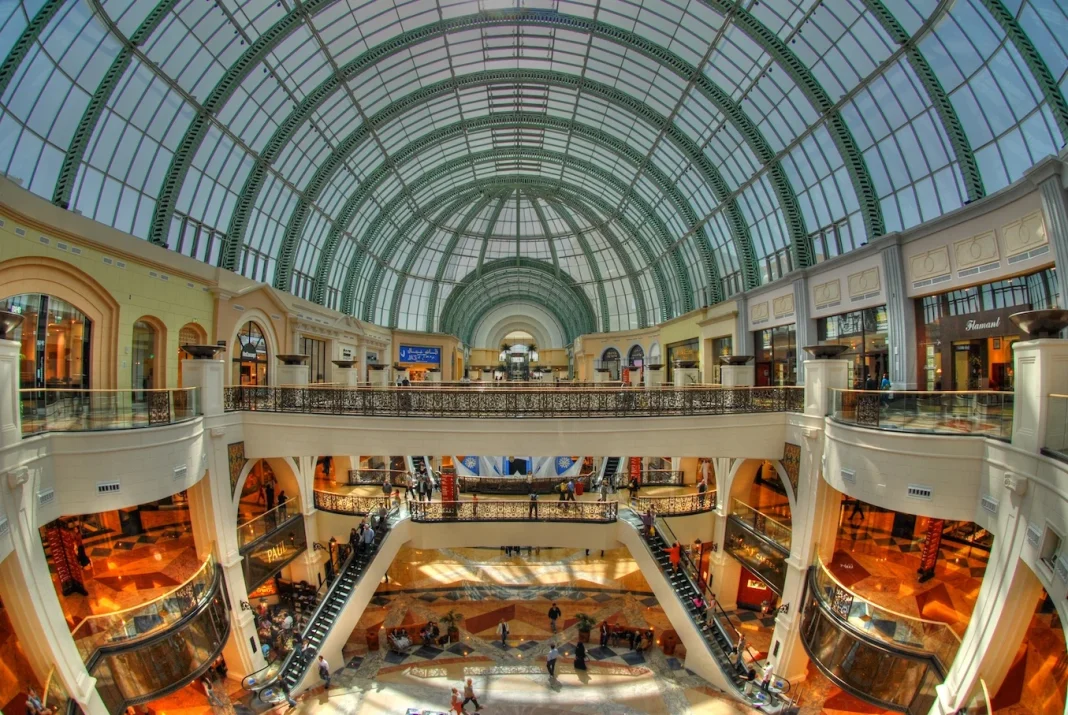
The Mall of the Emirates is not just a shopping mall: it is a symbol of Dubai’s economic model, built on international tourism and high-end consumption. With more than 630 stores, the Ski Dubai complex, and a clientele accustomed to spending without looking at the price tag, this mega-center has for years been the favorite showcase for brands like Louis Vuitton, Chanel, or Gucci in the Middle East.
But the escalation of war in the region has cut that flow off at its roots. Visitor footfall to the Mall of the Emirates dropped by 15% in March 2026, according to Le Monde, and executives of major European luxury firms privately acknowledge that the impact could last for months if the situation does not stabilize.
Luxury Brands at Mall of the Emirates Lose Their Star Market
The Mall of the Emirates had consolidated its position in recent years as a benchmark destination for the global premium sector, especially following the record 19.5 million visitors Dubai registered in 2025. European luxury brands saw the UAE as one of the few growing markets while Europe and China faltered, and they had multiplied their presence and investments in the mall over the last three fiscal years.
That optimism has evaporated with unusual speed. Stores like River Island have already completed their closure in the Emirates, and groups like Bloomingdale’s report historic declines in visitor numbers. The Financial Times has warned that the war is “emptying Dubai’s luxury malls” at an especially delicate moment for a global industry that has accumulated three years of value contraction.
International Tourism: The Fragile Link in the Chain
Tourist spending is the invisible engine behind every sale at the Mall of the Emirates. It is not local residents who sustain the premium brands’ business, but international travelers arriving from Europe, Asia, and America who make shopping an essential part of their Dubai experience. When that flow is interrupted, the entire luxury value chain in the mall falters.
The conflict in the Middle East has directly affected the flight routes connecting Dubai with its main source markets. Flight cancellations and rising travel insurance costs have deterred thousands of potential tourists, just at the moment when the sector needed to regain ground lost after the pandemic and amid a decelerating global demand for luxury.
Emaar Bets on Expansion as Sales Drop
Faced with the footfall crisis, the Emaar group, owner of the Mall of the Emirates, has adopted a counterintuitive strategy: investing big. The expansion plan approved for 2026 includes 5 billion dirhams allocated to the Mall of the Emirates, featuring a luxury wellness club, a cultural venue, and a large IMAX cinema under the Vox brand.
The bet is clear: diversify the Mall of the Emirates’ offering beyond pure retail so that the shopping center can survive —and even thrive— in a context where the simple act of buying is no longer enough to attract visitors. The immersive experience thus becomes the new luxury that must anchor the customer when geopolitics threatens to push them away.
| Indicator | Before the conflict (2025) | March 2026 |
|---|---|---|
| Dubai Visitors (annual) | 19.5 million | Estimated 15% drop in Mall |
| Luxury Brand Sales (Mall of the Emirates) | Sustained growth | 30–50% drop |
| Active International Stores | All-time high | Several confirmed closures (River Island, West Elm) |
| Emaar Investment in Expansion | In planning | AED 5 billion approved |
| Forecasted UAE Tourist Spending 2025 | AED 228,500 M | Downward revision due to conflict |
The Future of Mall of the Emirates and Luxury in Dubai: Opportunity After the Storm
Industry analysts agree that Dubai’s resilience as a luxury destination is not in question in the long term. The United Arab Emirates boasts an infrastructure, taxation, and global positioning that other markets can hardly replicate, and the Mall of the Emirates, with its massive investment underway, is betting on turning the crisis into a turning point toward a more sophisticated model.
The experts’ advice for luxury brands present in the mall is clear: do not withdraw investment, but adapt it. Moments of geopolitical turbulence have historically proven to be windows of opportunity for those who maintain a presence and consolidate relationships with the local customer. The Mall of the Emirates, with decades of history and a multi-billion dollar expansion underway, has the right foundation to lead the next stage of global luxury in the Middle East.