

Would you continue investing in conventional brick and mortar if you knew that a Gehry sculpture a few meters away could double the value of your living room? In today’s Abu Dhabi, the boundary between art collecting and real estate heritage has completely blurred this 2026.
We are not talking about a simple market trend, but an economic re-engineering where culture acts as the primary financial safe-haven asset. This year’s figures demonstrate that international capital is no longer just looking for yields, but for the immortality of its investment.
The Impact of the Cultural District on the Abu Dhabi Market
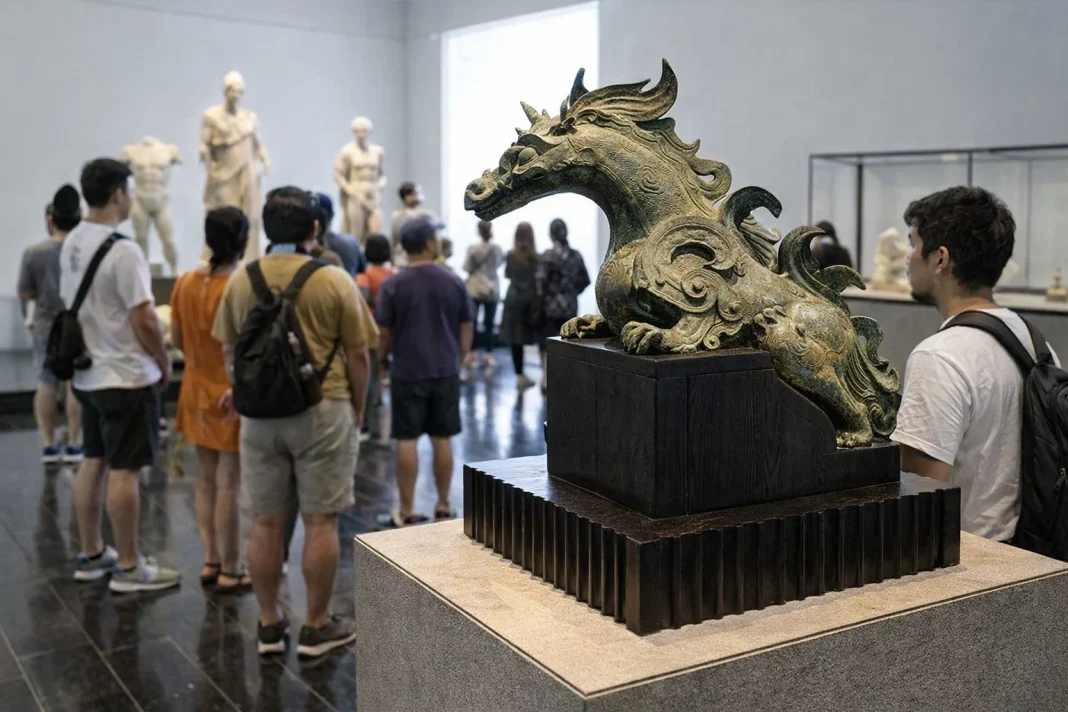
Is it possible that a zip code depends more on a museum curator than a real estate developer for its success? The reality in Abu Dhabi dictates that proximity to the Louvre or the new Guggenheim is today the most reliable luxury indicator on the planet.
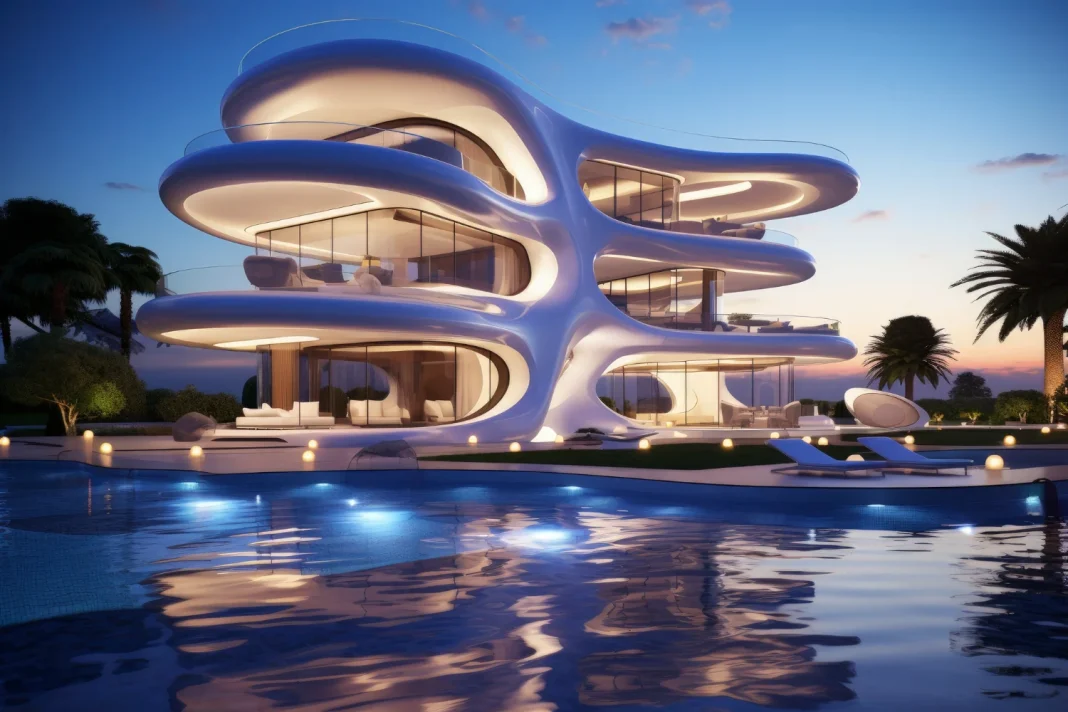
This synergy between global institutions and ultra-luxury residences has created an ecosystem where supply is minimal and demand from high-net-worth individuals is incessant. Owning a property here is, in essence, owning a fragment of humanity’s new cultural canon.
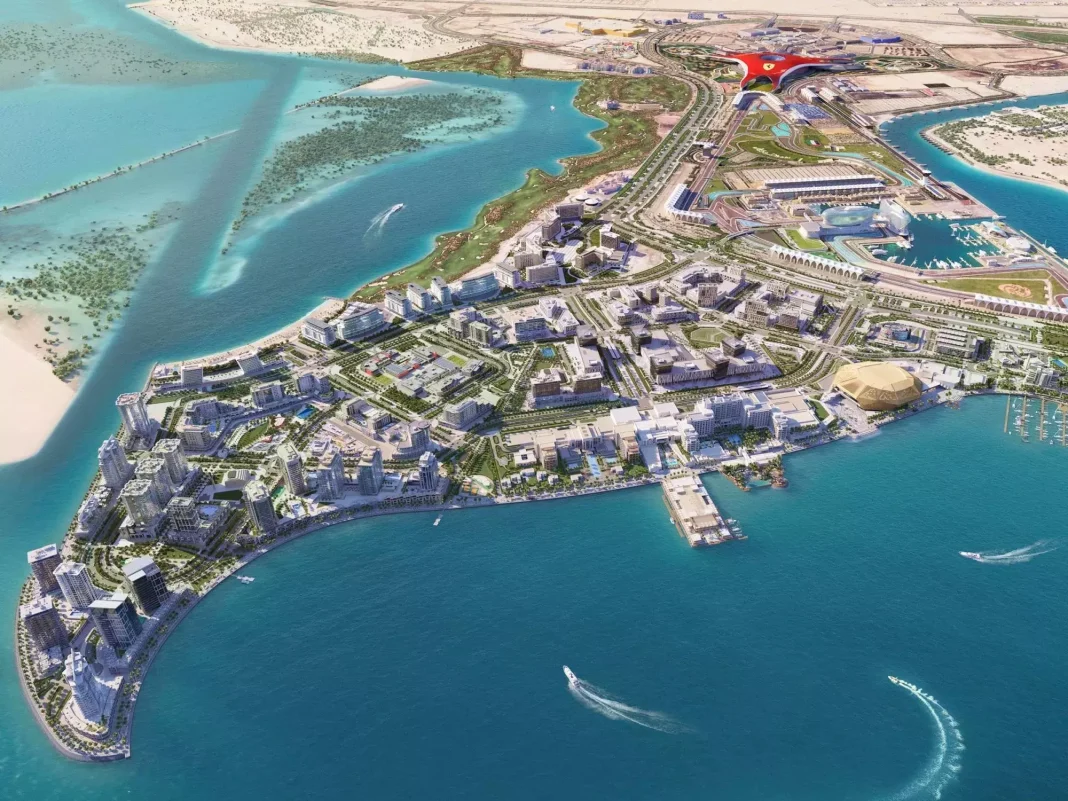
Why Saadiyat Island is the Preferred Capital Haven
The growth that Abu Dhabi has experienced in its non-oil sectors has already reached 35%, positioning Saadiyat Island as the absolute crown jewel for institutional investors.
The total exclusivity of this area is based on a low construction density that guarantees the preservation of land value in the long term on Saadiyat Island. Here, return on investment is not measured only in cash flow, but in the patrimonial security of an unrepeatable environment.
Record Returns and Preservation Assets
What differentiates a luxury asset from a simple expensive house when talking about market dynamics in Abu Dhabi? The answer lies in the capacity for resilience against geopolitical volatility that the district has demonstrated this year.
While other markets suffer adjustments, the villas on Saadiyat Island have maintained an upward curve thanks to their connection with the entertainment industry and high-impact tourism. The emirate’s strategic vision has transformed the concept of residence into a museum-grade investment piece.
Evolution of Real Estate ROI vs. Culture
The maturation of the Cultural District has caused a paradigm shift in how Abu Dhabi analysts calculate the success of a project. It is no longer enough to have noble materials; now an environment that breathes artistic avant-garde and extreme sustainability is required.
The 2026 market reflects that properties located less than one kilometer from the major architectural landmarks of Saadiyat Island present a significantly higher capital appreciation. Today’s investor prioritizes energy efficiency and proximity to cultural nodes over total built area.
| Asset Type in Saadiyat | Real ROI 2026 | Annual Appreciation |
|---|---|---|
| Ultra-Luxury Villas | 5.60% | +8.2% |
| Premium Apartments | 4.36% | +4.5% |
| Cultural District Penthouses | 5.10% | +12.3% |
The Future of Abu Dhabi as a Global Capital of Capital
The forecast for the coming years positions the Emirati capital not only as a tourist center, but as the Green and Cultural Capital of Capital. Abu Dhabi’s commitment to economic diversification through culture ensures that the current growth cycle has solid foundations.
Those betting on Saadiyat Island today are entering a market that has known how to shield itself through institutional excellence and long-term planning. The expert advice is clear: in an uncertain world, stable culture is the most profitable asset one can buy.