

Is it possible to find a paradise of freshness and date palms in the middle of the most arid desert in Al Ain? Many travelers associate the region only with infinite dunes, but the reality of this thousand-year-old oasis defies any prejudice about the extreme climate.
The official designation as Arab Tourism Capital 2026 has activated a massive investment plan that seeks to transform the sector. This is not just about marketing, but a real economic strategy with direct reimbursements for green infrastructure.
The new sustainable horizon of Al Ain in 2026
The city has stopped being the discreet sister of the large metropolises to lead the regional ecotourism agenda. During this mandate, Al Ain focuses on rehabilitating its historic forts and improving the experience at Jebel Hafit, the highest peak in the emirate.
The experience of its cultural managers guarantees that every euro invested respects the UNESCO heritage. The goal is clear: to attract a visitor profile that values the silence of the oasis over the noise of coastal construction.
The incentive plan for the hotel sector in Abu Dhabi
To achieve these goals, the government has launched the ambitious Al Ain, an unprecedented financial aid scheme. This initiative allows accommodation owners in Abu Dhabi to recover up to 17% of their investment in sustainable renovations.
The Arab capital status of Al Ain thus drives a total renovation of the hotel plant under energy efficiency criteria. It is a master move by Abu Dhabi to diversify its economy and boost inland destinations with high cultural value.
Mille-year-old heritage and Falaj irrigation technology
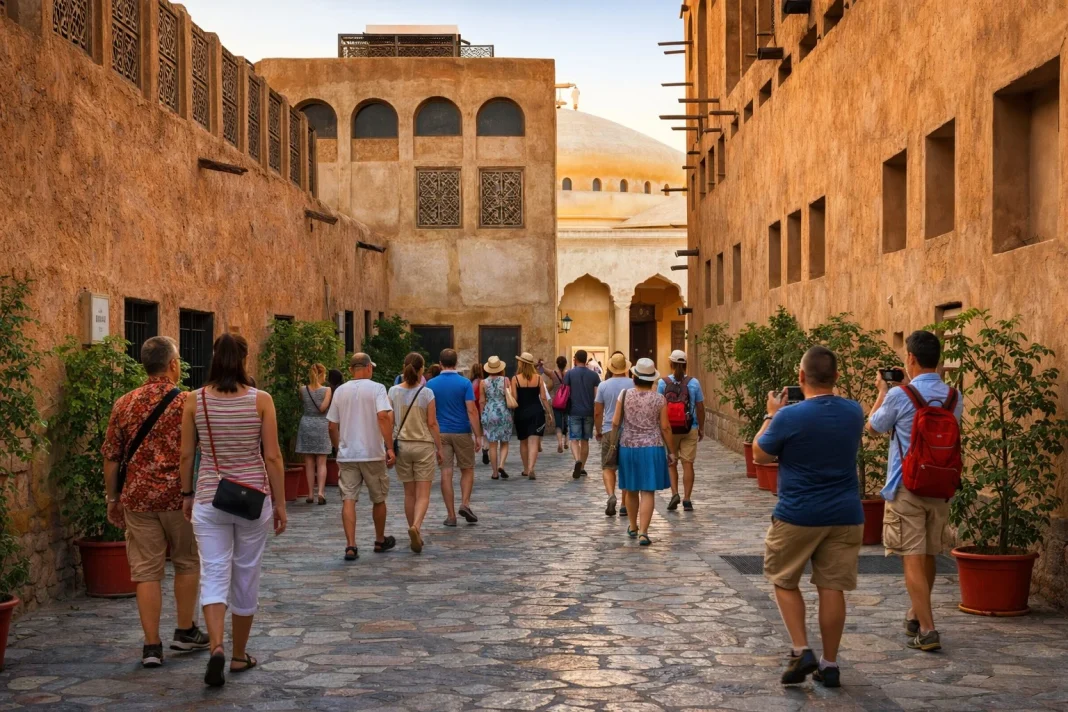
Walking through the paths of Al Ain is to immerse yourself in an engineering system that has survived for millennia. The Falaj irrigation system remains the beating heart that keeps the thousands of fruit trees and palm trees in the area alive.
This oasis is not just a park, but a living ecosystem that defines the identity of Al Ain against the rest of the world. The integration of environmental monitoring technology allows these traditions to remain viable in the twenty-first century today.
Adventure ecotourism on the slopes of Jebel Hafit
The ascent to the most emblematic mountain in Abu Dhabi now offers marked hiking routes and luxury camping areas. Al Ain has managed to balance the adrenaline of active tourism with the strict protection of its unique biodiversity.
Many experts consider that Abu Dhabi has found in this city the perfect laboratory for the tourism of the future. The traveler who arrives in Al Ain seeks a real connection with the land, far from shopping centers and artificial beaches.
| Key Project 2026 | Estimated Investment | Impact on Tourism |
|---|---|---|
| Hotel Renovation | +150M AED | Category improvement |
| UNESCO Protection | Direct Funds | Falaj Conservation |
| Jebel Hafit Routes | Infrastructure | Active Ecotourism |
Vision for the future of tourism in Abu Dhabi
The trend for the coming years confirms that luxury is no longer measured only in carats, but in preserved spaces. In Al Ain, the future involves controlled growth that does not sacrifice the essence of the ‘Garden City’ for quick profits.
My advice as an expert is to visit the region during this year of capital city status to witness the cultural metamorphosis. Abu Dhabi’s commitment to authenticity in Al Ain is the model that the rest of Arab tourism will observe closely.