

Do we still believe that the future of Abu Dhabi depends exclusively on the barrel of crude oil extracted from beneath its sands? The reality of 2026 teaches us a very different lesson, where sustainable capital rules over traditional fossil reserves.
The recent movement of 3,000 million dollars is not a simple accounting anecdote, but the promise of execution of a plan that already attracted 26 million tourists last year. The emirate is building a climate vanguard that few saw coming just five years ago.
The radical transformation of infrastructure in Abu Dhabi
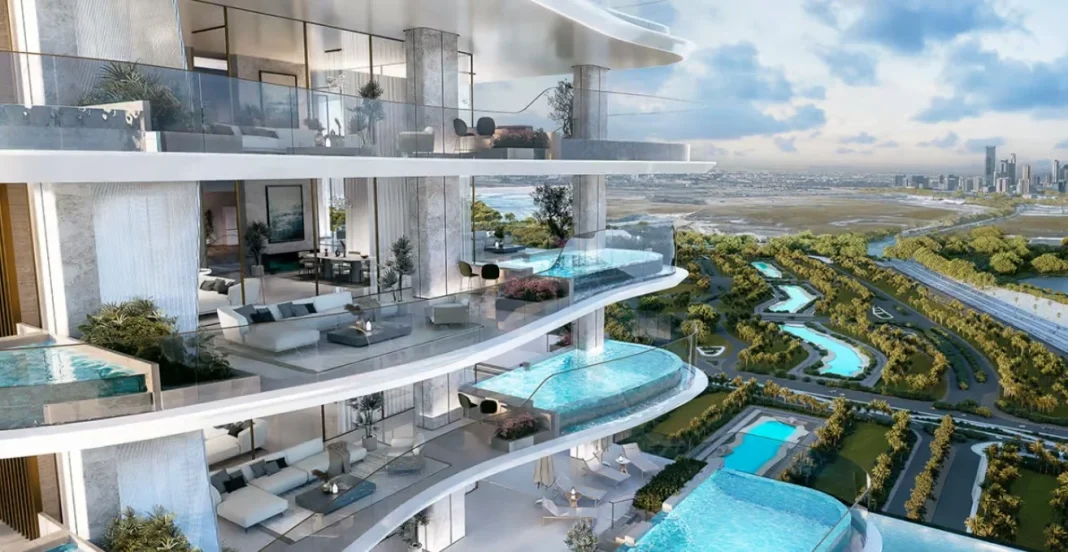
Do not expect to find conventional hotels in the new developments of Al Dhafra, because the concept of urban resilience has taken over. The city is integrating passive cooling systems and hydrogen transport that redefines what it means to travel to the desert today.
This massive injection of capital allows Abu Dhabi to move away from empty ostentation to focus on ecosystem regeneration projects. Each new building must comply with net-zero emission standards that ensure its long-term viability.
The financial role of the Green Bond in the new economy
The strategy to raise funds has been masterful, using the Green Bond tool to attract institutional investors who demand profitability and ethics. In Abu Dhabi they have understood that transparency is the most valuable asset to finance their ambitious 2030 goals.
This financial instrument allows every dollar invested to have clear traceability towards climate technology applied to leisure and culture. By issuing a sovereign Green Bond, the government guarantees that tourism growth does not compromise the emirate’s natural resources.
Conscious Tourism: Beyond museums and luxury
The visitor arriving today in Abu Dhabi seeks a deeper connection with the environment and a minimized carbon footprint. Therefore, the offer has diversified towards luxury ecotourism, where the protection of mangroves is as high a priority as art galleries.
Injecting resources into this sector ensures that the flow of visitors is constant and of high added value, avoiding mass tourism that degrades. The competitiveness of Abu Dhabi now resides in its ability to offer exclusive experiences within a framework of absolute environmental respect.
Security and profitability in the Middle East market
Investing in this region requires a clinical look at the stability and long-term vision offered by the emirate. Thanks to the backing of its credit rating, the use of each Green Bond is perceived as a safe bet in a volatile global market.
Abu Dhabi’s ecosystem has become a magnet for solar desalination and electric mobility startups. This organic growth ensures that the tourism infrastructure is the most advanced in the world, staying ahead of European climate regulations.
| Key Indicator | 2025 Data (Close) | 2026 Projection |
|---|---|---|
| Investment in Green Bonds | 1,500 M USD | 3,000 M USD |
| Total Visitors | 26.6 Million | 28.5 Million |
| Renewable Energy in Tourism | 45% | 55% |
The future of Abu Dhabi as a global climate hub
The trend for the coming years is clear: anyone who does not invest in sustainability will be off the radar of the premium tourist. Abu Dhabi’s commitment to innovation ensures that the emirate will continue to lead global tourism competitiveness indices.
The final success will depend on maintaining strategic coherence between the green discourse and the execution of public works. If you are looking for a destination where capital and purpose walk hand in hand, the Emirati Green Bond is the signal the market was waiting for.