

Does it make sense for a desert city to offer higher rental returns than any European capital? In Dubai, the answer is increasingly yes, and the data supports it overwhelmingly. Investors who chose the short-term rental market in premium areas are reaping returns that five years ago seemed impossible.
The 8% net annual yield is not a brochure promise: it is the documented result of well-managed properties operating as holiday homes in the emirate’s most sought-after districts. While European markets struggle to exceed 3–4% net, Dubai has been operating in a different league for years, and 2026 consolidates that trend.
Dubai and the Silent Boom of Vacation Rentals
Vacation rentals in Dubai are not a new phenomenon, but they have reached a maturity in 2025–2026 that makes them a first-tier investment strategy. The steady flow of international tourists, transiting executives, and digital nomads has created sustained demand that short-term rentals meet with rates well above the traditional residential market.
The key lies in the inverted seasonality compared to Europe: Dubai concentrates its high season between October and April, precisely when European investors suffer the most from low demand in their local markets. That complementarity makes the emirate a strategic asset for any diversified portfolio.
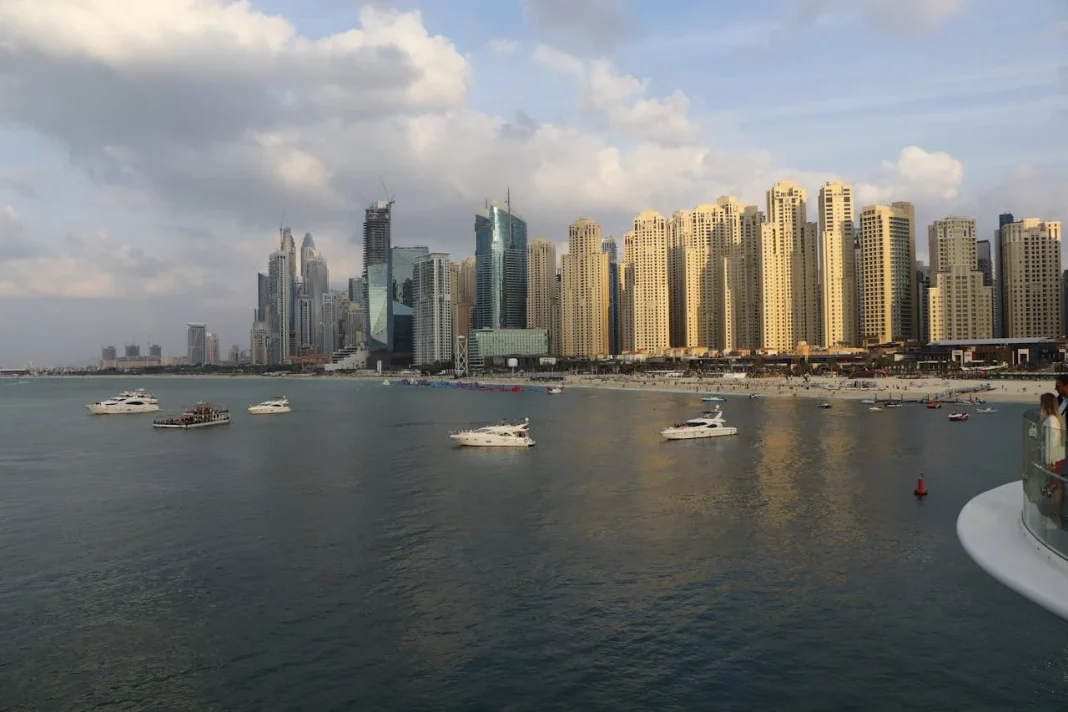
Downtown and Marina: Why Dubai Leads in Premium Areas
Investors who bet on Dubai before the boom are still the biggest winners, but even those entering today in areas like Marina find conditions that are hard to replicate in other markets. The combination of no income tax, zero capital gains withholding, and a regulatory framework favorable to foreign investors creates a globally unique environment.
What sets Downtown and Marina apart from the rest of the market is not just price: it is qualified demand. High-spending tourists, international executives, and corporate travelers prioritize these areas above all others, which translates into higher occupancy, higher nightly rates, and lower problematic guest turnover.
The Short-Term Model Redefining Investment in Dubai
Managing an apartment as a holiday home in Dubai means operating the property on platforms like Airbnb or Booking.com — something that in the emirate has had a clear regulatory framework ever since the Department of Tourism established specific licenses for this type of rental. That legal context has professionalized the sector and driven out the informality that affects other markets.
The average yield in 2025 for well-located studios and one-bedroom apartments in tourist areas ranges between 8% and 12% gross annual, with a real net return — after deducting service charges, management fees, and maintenance — that consolidates 8% as an achievable threshold in Dubai’s most in-demand neighborhoods. It is a figure that very few global markets can match.
Factors Driving Yield in the Dubai Market
Behind the sustained returns in Dubai lies an equation that few markets can replicate. The absence of property tax, combined with high tourist demand — the emirate welcomed nearly 20 million international visitors in 2025 — and constant infrastructure development creates a unique breeding ground for the real estate investor.
Another decisive factor is the still-competitive entry price compared to other major global cities. A one-bedroom apartment in Marina can be purchased from approximately €270,000 — a figure that in London or Paris would not even cover half of an equivalent property in terms of expected return.
| Area | Estimated Gross Yield | Estimated Net Yield | Demand Profile |
|---|---|---|---|
| Downtown Dubai | 5–7% | 4–6% | Premium tourists, corporate |
| Marina | 6–8% | 5–7% | Expats, tourists, digital nomads |
| JVC (reference) | 8–10% | 5.5–6.5% | Local residents, families |
| Palm Jumeirah | 5–7% | 4–5% | Ultra-luxury, high seasonality |
| Dubai South | 7–9% | 6–8% | Airport, logistics, emerging |
Dubai in 2026: The Entry Window That Won’t Repeat
Analysts agree that Dubai’s market is at a structural inflection point: tourist demand is recovering strongly after the disruptions of early 2026, prices have not yet fully absorbed the potential of areas like Marina, and the regulatory framework is more transparent than ever for the foreign investor.
The advice from those who have been operating in this market for years is clear: geographic diversification toward Dubai is not a speculative bet, but a risk management decision. With documented net returns of 8% in the short-term segment, unbeatable tax conditions, and a city that continues to grow at rates no European capital can sustain, the question is no longer whether to enter, but when to do so.